
Westside Tarantulas
Aphonopelma mooreae - Mexican Jade Fuego - Female for sale - In Stock!!!
Aphonopelma mooreae - Mexican Jade Fuego - Female for sale - In Stock!!!
Couldn't load pickup availability
Mexican Jade Fuego (Aphonopelma mooreae)
The Pinnacle of Tarantula Keeping
Aphonopelma mooreae, the Mexican Jade Fuego, is the kind of species even experienced collectors can spend years searching for. While Mexico is home to some of the most recognizable tarantulas in the hobby, A. mooreae remains extraordinarily uncommon in U.S. collections, particularly as an established specimen or confirmed female. Its scarcity, extremely slow development, incredible longevity, and unusual coloration make this a true collector-grade Aphonopelma rather than simply another Mexican terrestrial.
Jade, Copper & Fire
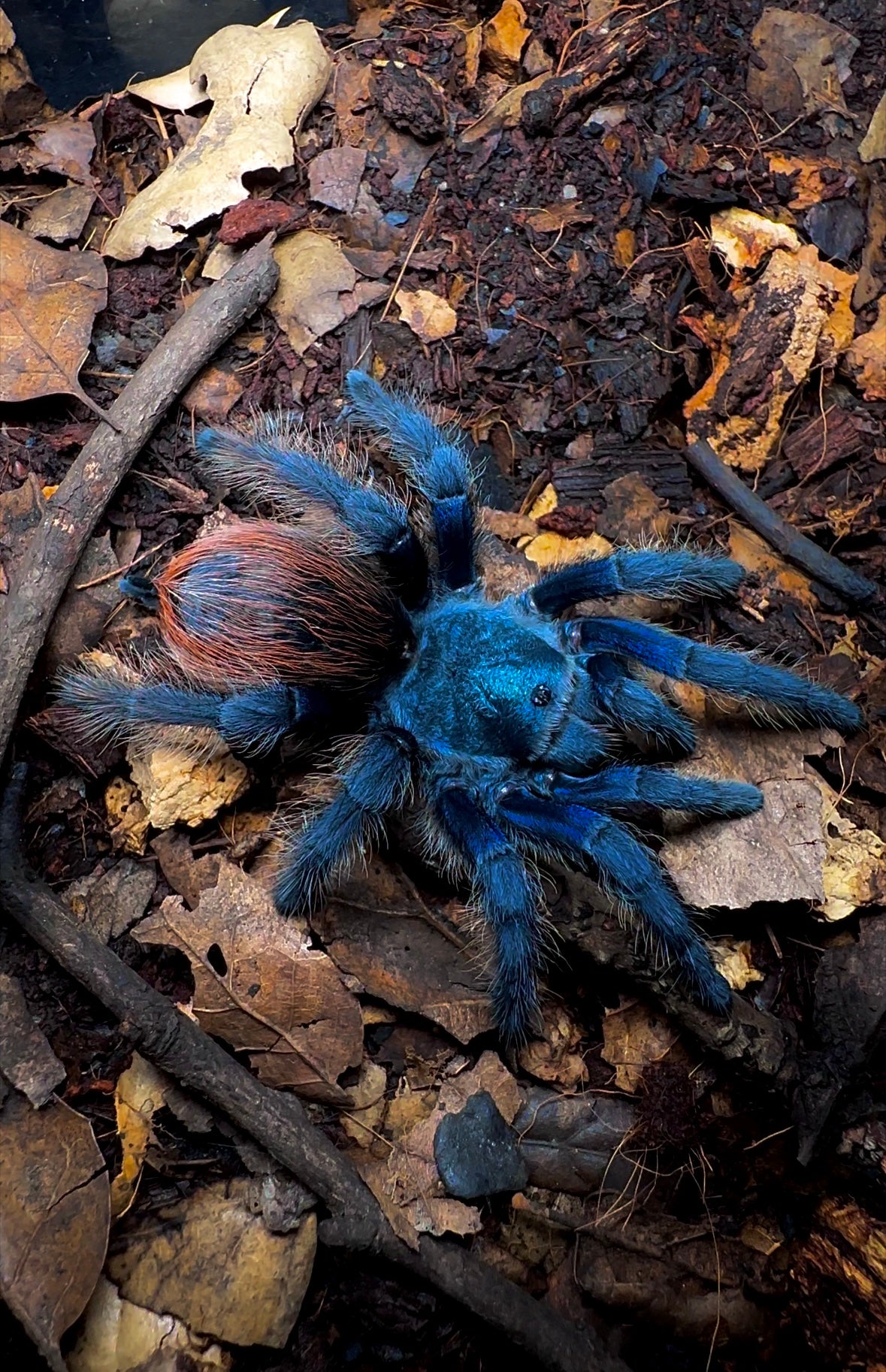
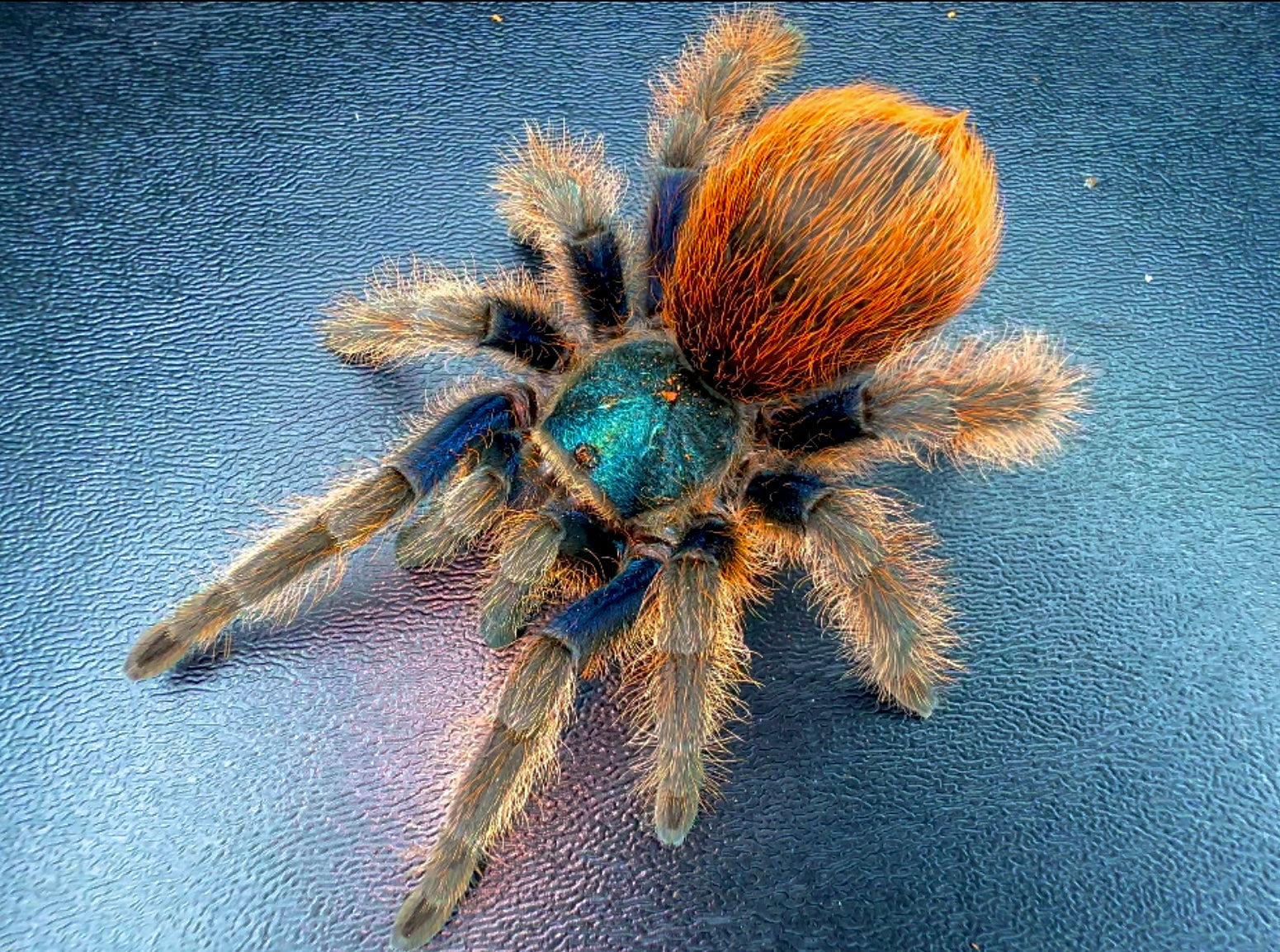
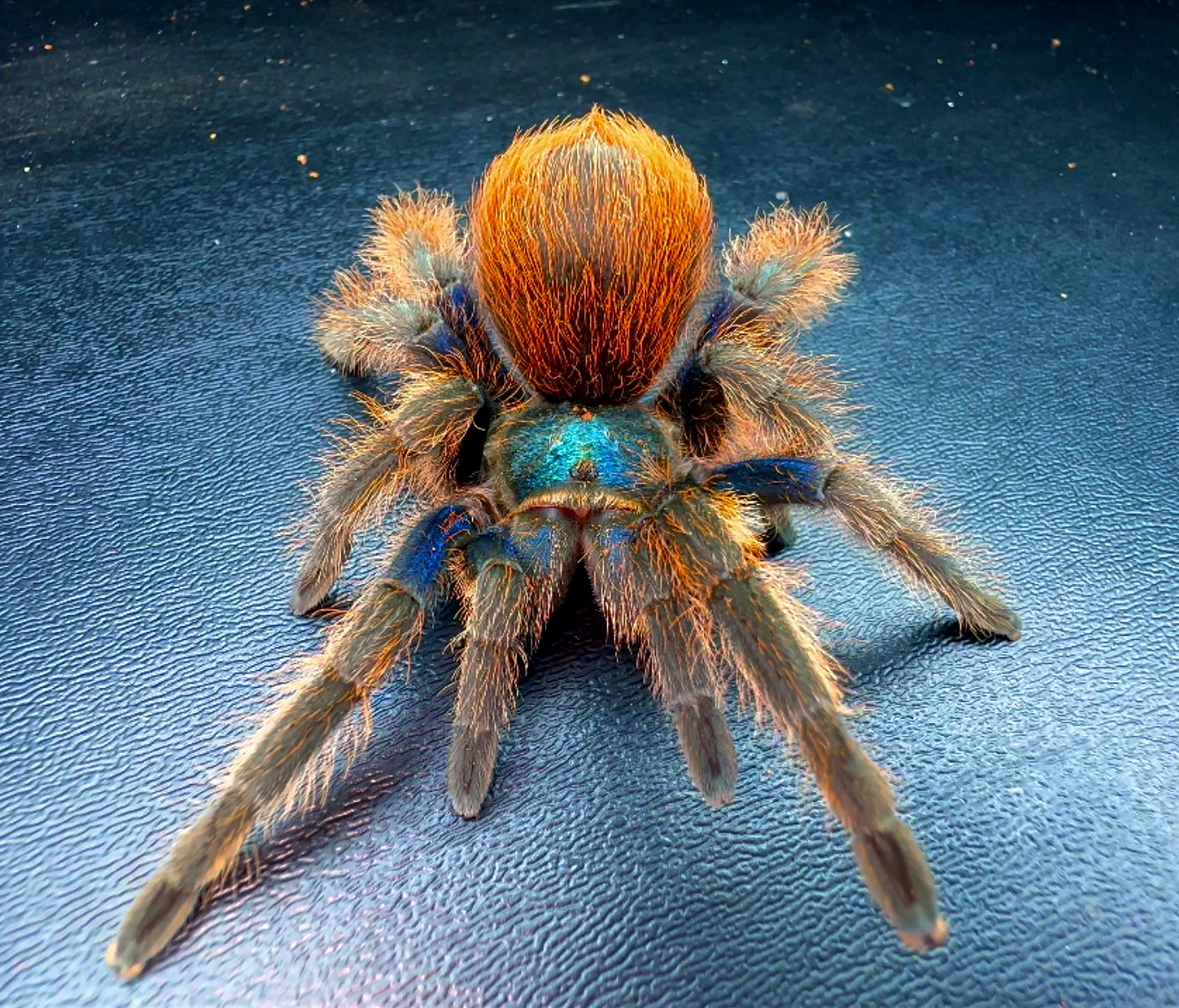
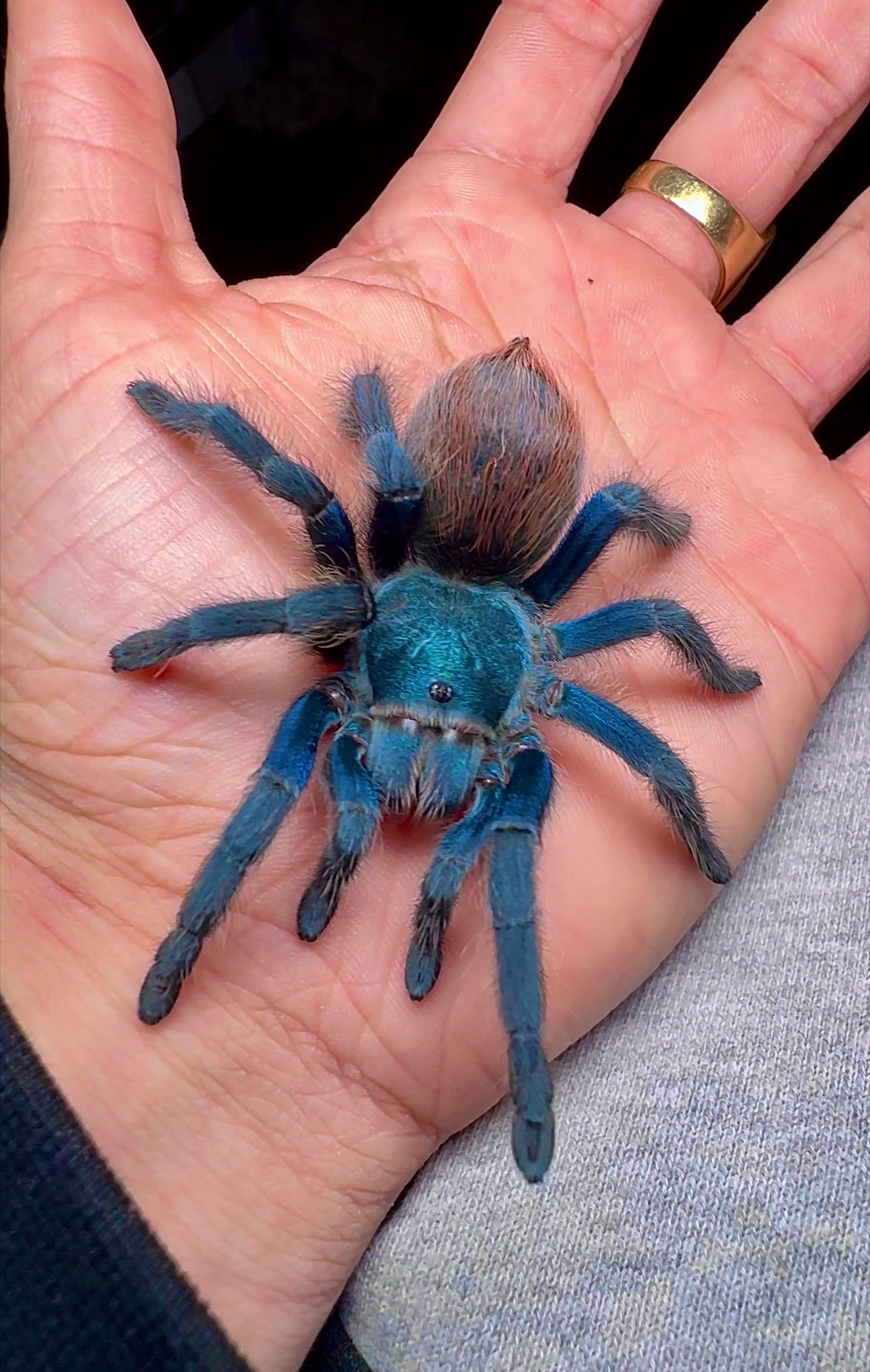
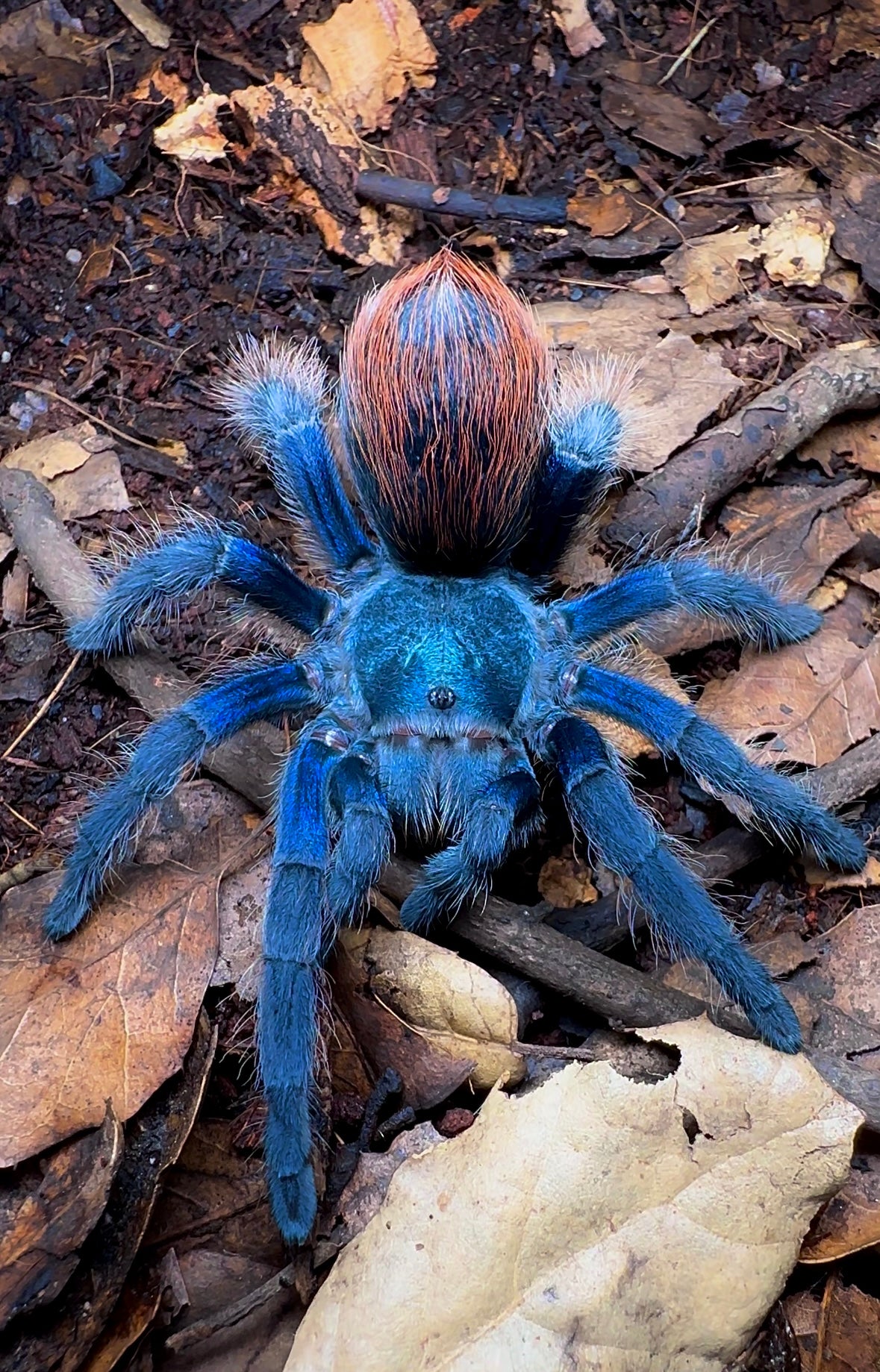
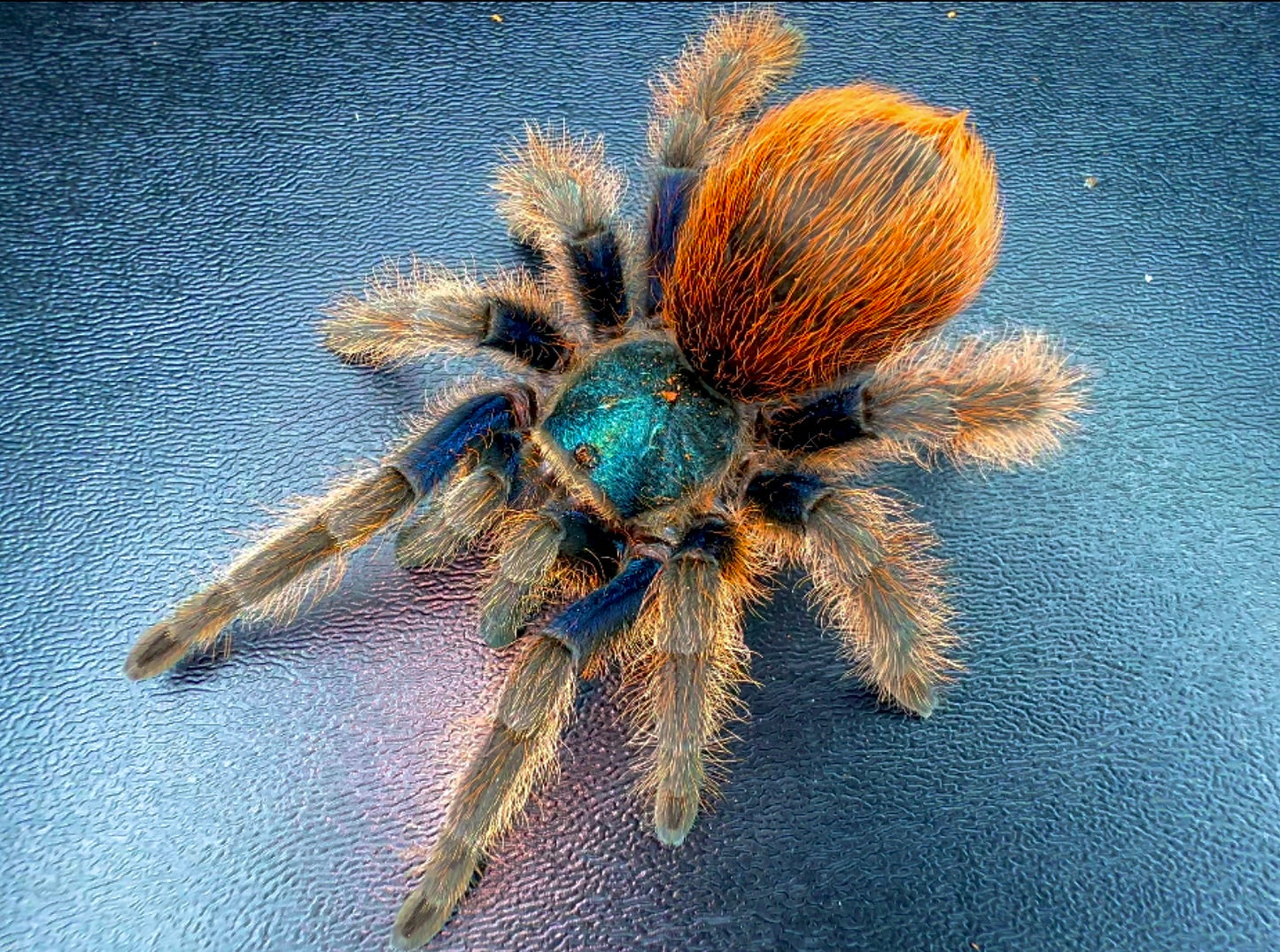
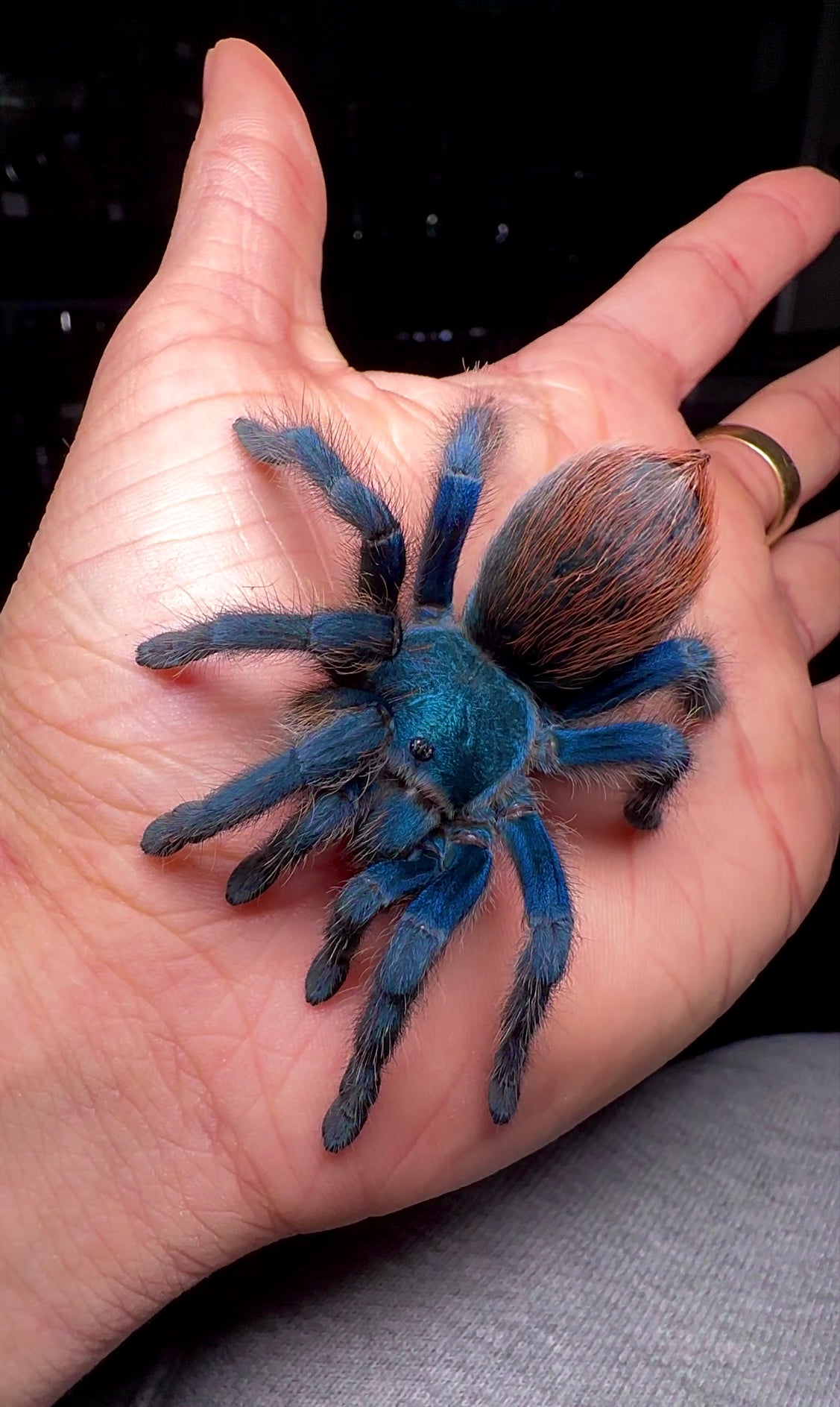
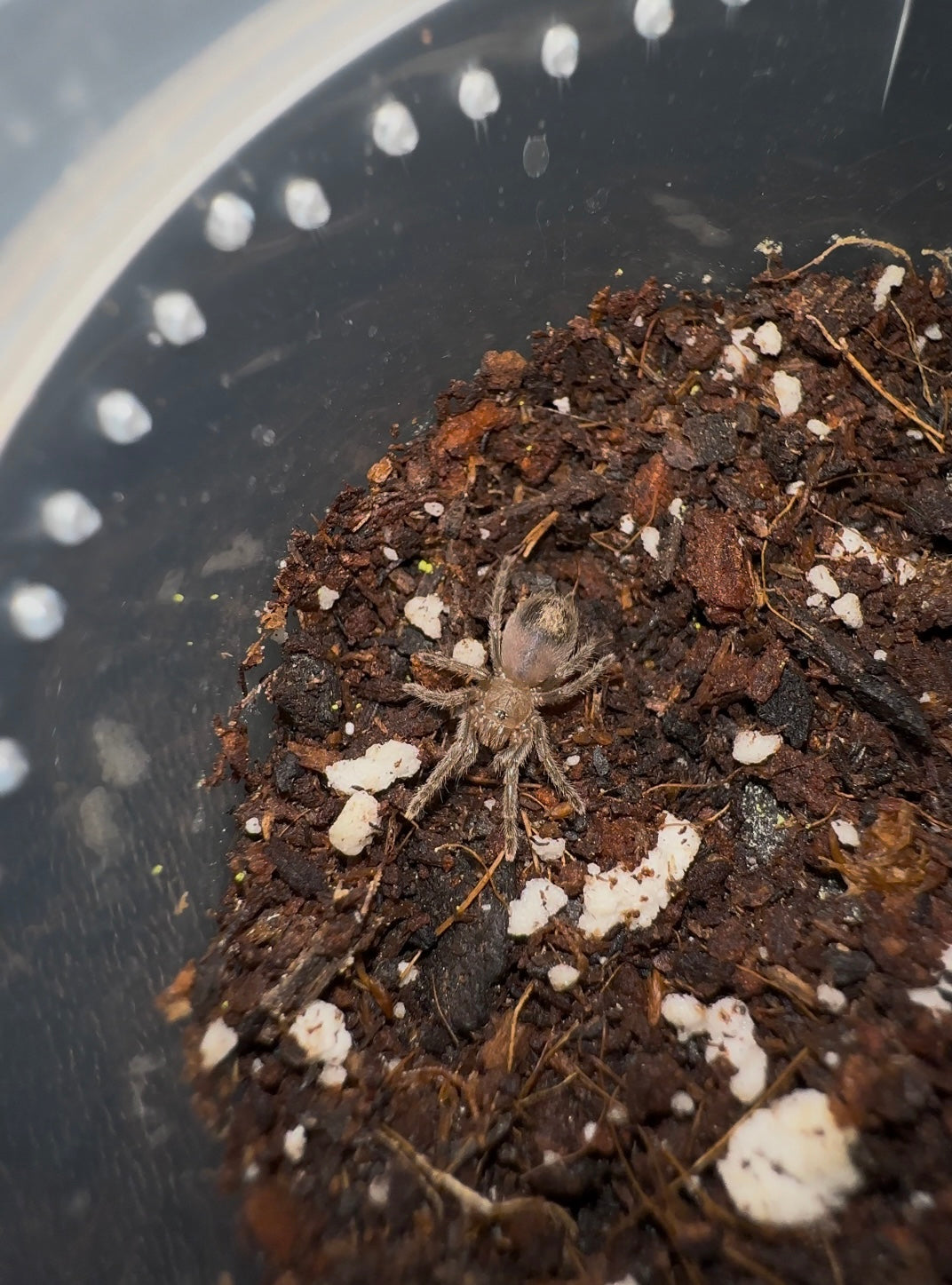
The coloration on a mature Mexican Jade Fuego is unlike almost anything else in the genus. Dark legs develop beautiful blue-green and jade undertones, while warm copper and orange coloration creates an incredible contrast across the body and abdomen. The colors can appear dramatically different depending on lighting and molt cycle, giving mature specimens a subtle metallic quality that photographs rarely capture as well as seeing one in person.
Incredibly Docile With a Personality to Match
Rarity isn’t the only thing that makes this species special. In my experience, A. mooreae is one of those tarantulas with a genuinely memorable personality. My specimens have been extremely docile, relaxed, slow-moving, and curious, often choosing to calmly investigate what’s happening around them rather than immediately retreating.
That combination is part of what makes the Mexican Jade Fuego so unusual. You get the appearance and exclusivity of an exotic collector species with the calm disposition people typically look for in beginner-friendly Aphonopelma. Every individual can behave differently, of course, but my experience with this species has been exceptionally positive.
An Almost Painfully Slow-Growing Species
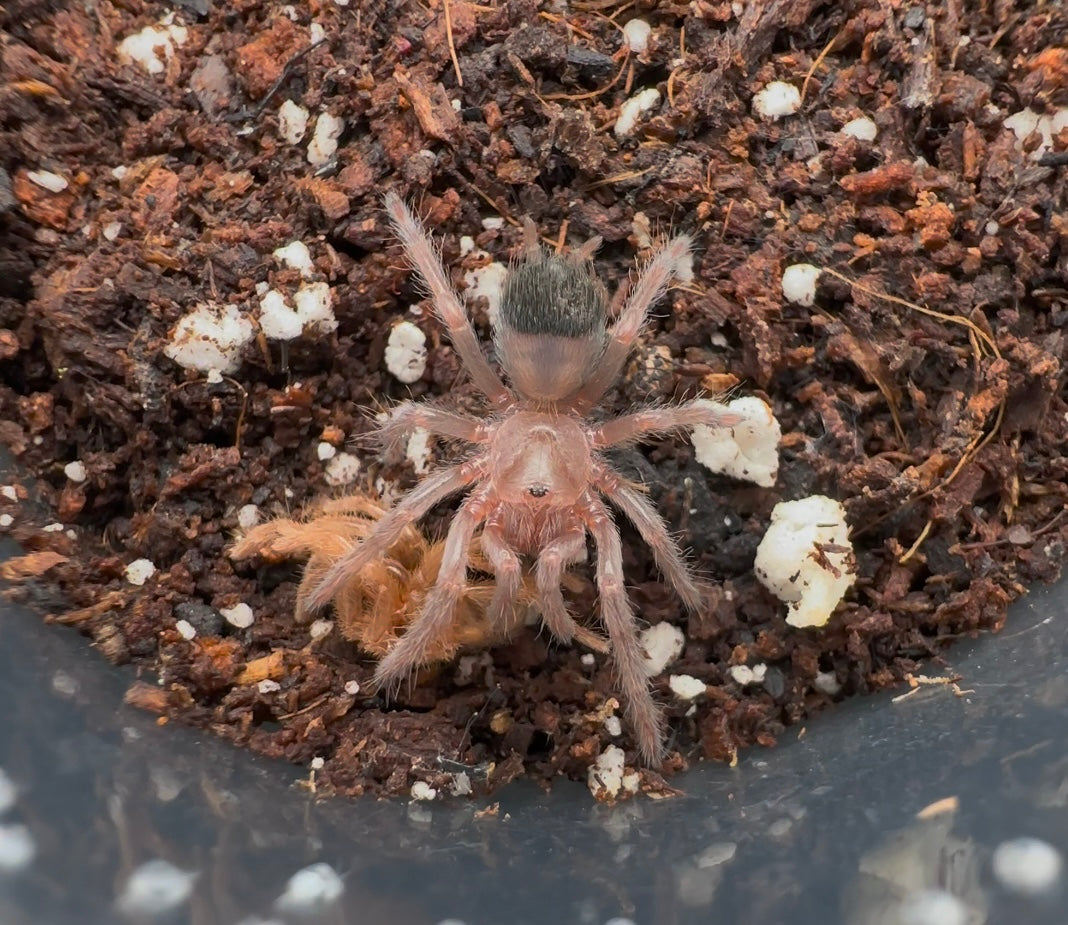
One of the biggest reasons A. mooreae remains so difficult to find at larger sizes is its extremely slow growth rate. This is not a tarantula that goes from sling to adult in a couple of years. It can take many years—potentially around a decade—to reach full adult size, depending on sex and conditions.
That changes how established specimens should be viewed. When you purchase a larger A. mooreae, you’re not simply paying for another inch or two of spider. You’re acquiring years of development that have already taken place. Every successful molt represents another step through a growth process that simply cannot be rushed.
Confirmed Females Are in an Entirely Different Category
With an animal this slow-growing, a confirmed female carries a completely different level of collector value. Females can potentially remain in a collection for 30+ years, while simultaneously eliminating the uncertainty of raising an expensive unsexed sling for years only to eventually discover a male.
For collectors building a serious Aphonopelma collection—or breeders interested in helping establish uncommon Mexican species in captivity—that combination of rarity, sex, age, and established size is exceptionally difficult to replace.
A True Long-Term Collector Animal
A. mooreae isn’t a species I would recommend buying because you’re looking for instant growth. It’s almost the opposite.
This is a tarantula for someone who appreciates the long game of the hobby—watching an extraordinarily rare animal develop gradually over years, seeing its colors deepen with successive molts, and potentially keeping the same female for decades. Its slow growth is part of the reason specimens like these are so scarce in the first place, and it’s also part of what makes owning an established one so rewarding.
Rare Without Being Difficult
Despite the collector-level rarity and price tag, the Mexican Jade Fuego is surprisingly straightforward to maintain. Smaller specimens benefit from some moisture within the substrate, while larger juveniles and adults can be maintained considerably drier with a permanent water dish and occasional localized moisture.
They don’t require extreme temperatures or complicated equipment. Stable room temperatures, good ventilation, appropriate terrestrial substrate, a secure retreat, and consistent access to water provide the foundation for successful long-term husbandry.
More Than Just Another Rare Tarantula
There are plenty of species in this hobby that are called “rare” simply because they aren’t available every week. Aphonopelma mooreae represents a different kind of rarity.
Its exceptionally slow growth means producing established animals takes years. Its limited availability means larger specimens seldom appear for sale. And when you combine that scarcity with the species’ jade coloration, remarkably docile demeanor, distinctive personality, enormous lifespan, and the security of a confirmed female, you end up with something genuinely difficult to substitute.
For the collector looking for an animal that still feels special after you’ve already owned dozens—or hundreds—of tarantulas, the Mexican Jade Fuego deserves a place near the top of the list.
Share


Species Profile
Care & Husbandry Guide
🏠 Enclosure & Substrate
Provide a terrestrial enclosure with well-packed substrate deep enough to support natural burrowing behavior, especially in younger specimens. A cork-bark hide or starter burrow provides additional security. Smaller animals should receive moisture-retentive substrate, while larger established specimens can be maintained considerably drier. Keep climbing height low because this is a heavy-bodied terrestrial species, and provide a permanent water dish once the animal reaches juvenile size.
🌡️ Temperature & Humidity
Comfortable room temperatures around 68–76°F work well. Your established husbandry should remain the basis of this field: specimens under approximately 2” DLS benefit from moisture retained within the substrate, while animals around 2.5” DLS and larger can transition to considerably drier conditions with a permanent water dish. For larger specimens, occasionally overflowing the water dish provides localized moisture without keeping the entire enclosure wet. Good ventilation should always be maintained.
🍽️ Feeding & Water
Offer growing juveniles appropriately sized crickets, roaches, or similar feeders approximately every 7–10 days, adjusting according to appetite and abdomen condition. Larger specimens can be fed less frequently because this species has a naturally slow metabolism and growth rate. Extended fasting is not unusual, particularly around premolt. Once specimens reach approximately 2.5” DLS, provide a clean water dish at all times and feed according to body condition rather than attempting to accelerate growth.
🕷️ Species-Specific Care
Aphonopelma mooreae, the Mexican Jade Fuego, is one of the most visually distinctive Mexican Aphonopelma, combining blue-green tones with a fiery orange abdomen. Despite its exotic appearance and rarity, your specimens have proven exceptionally calm, slow-moving, and hardy. This is an extremely slow-growing species that can take many years to mature, which makes established juveniles and confirmed females particularly valuable. Once established, it is an excellent long-term display animal for collectors who want exceptional coloration without the temperament normally associated with many brightly colored tarantulas.