
Skip to product information
1 of 9

Westside Tarantulas

Avicularia hirschii - Brazilian Phantom Pink Toe - For Sale

Avicularia hirschii - Brazilian Phantom Pink Toe - For Sale

Regular price $1,250.00
Regular price Sale price $1,250.00
Sale Sold out
Shipping calculated at checkout.
Size and Sex

Brazilian Phantom Pink Toe (Avicularia hirschii) 

The Holy Grail for Avicularia collectors 

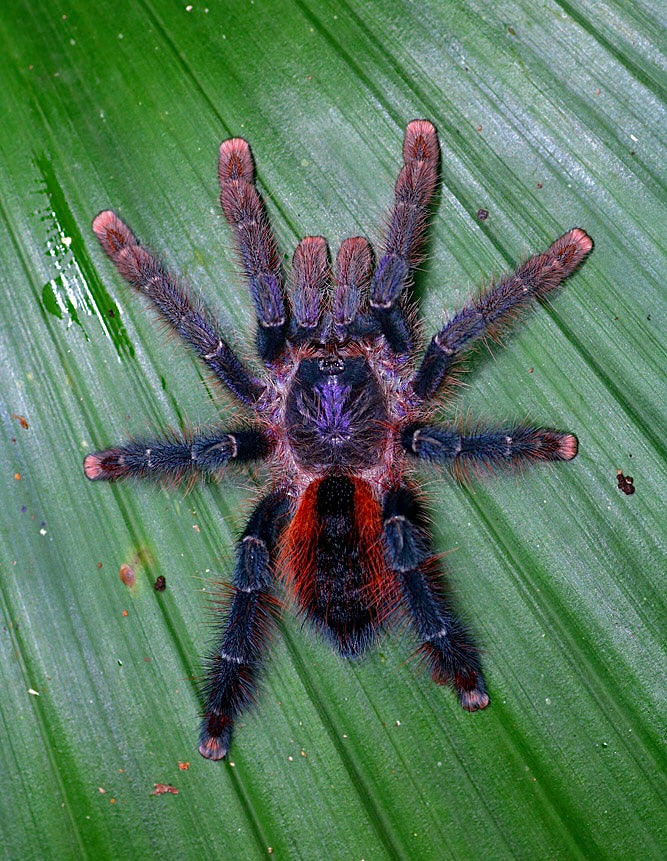
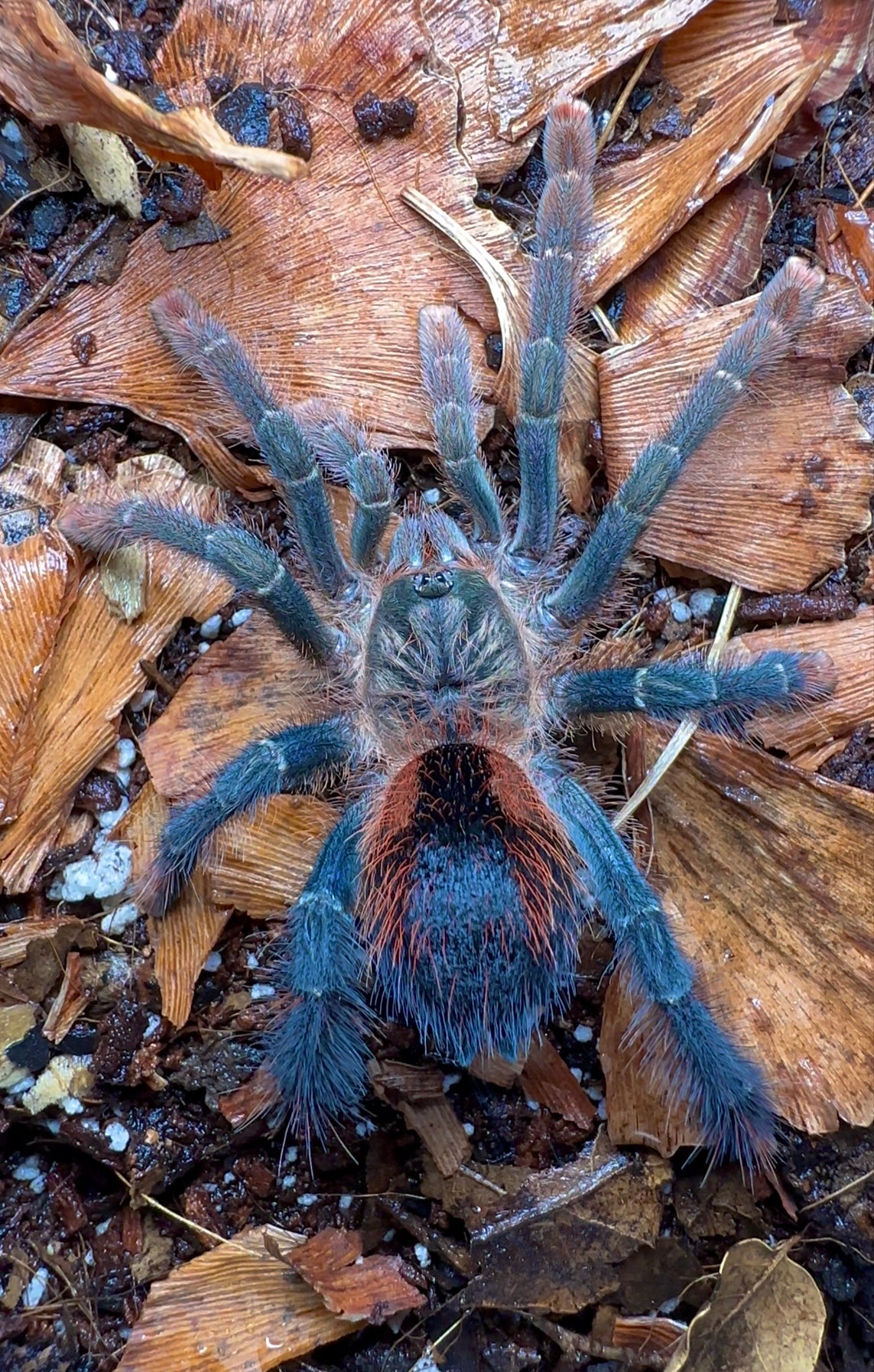
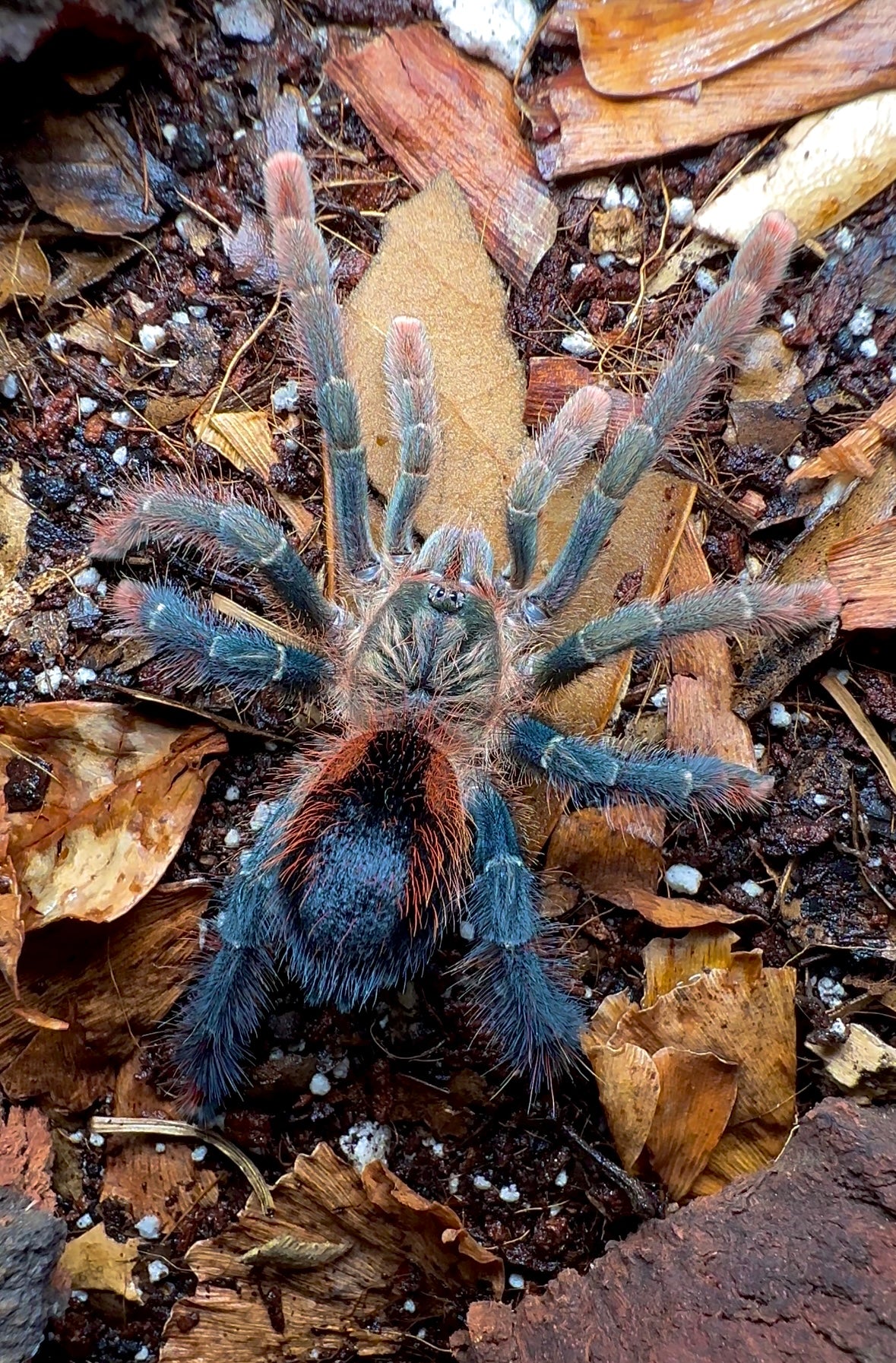
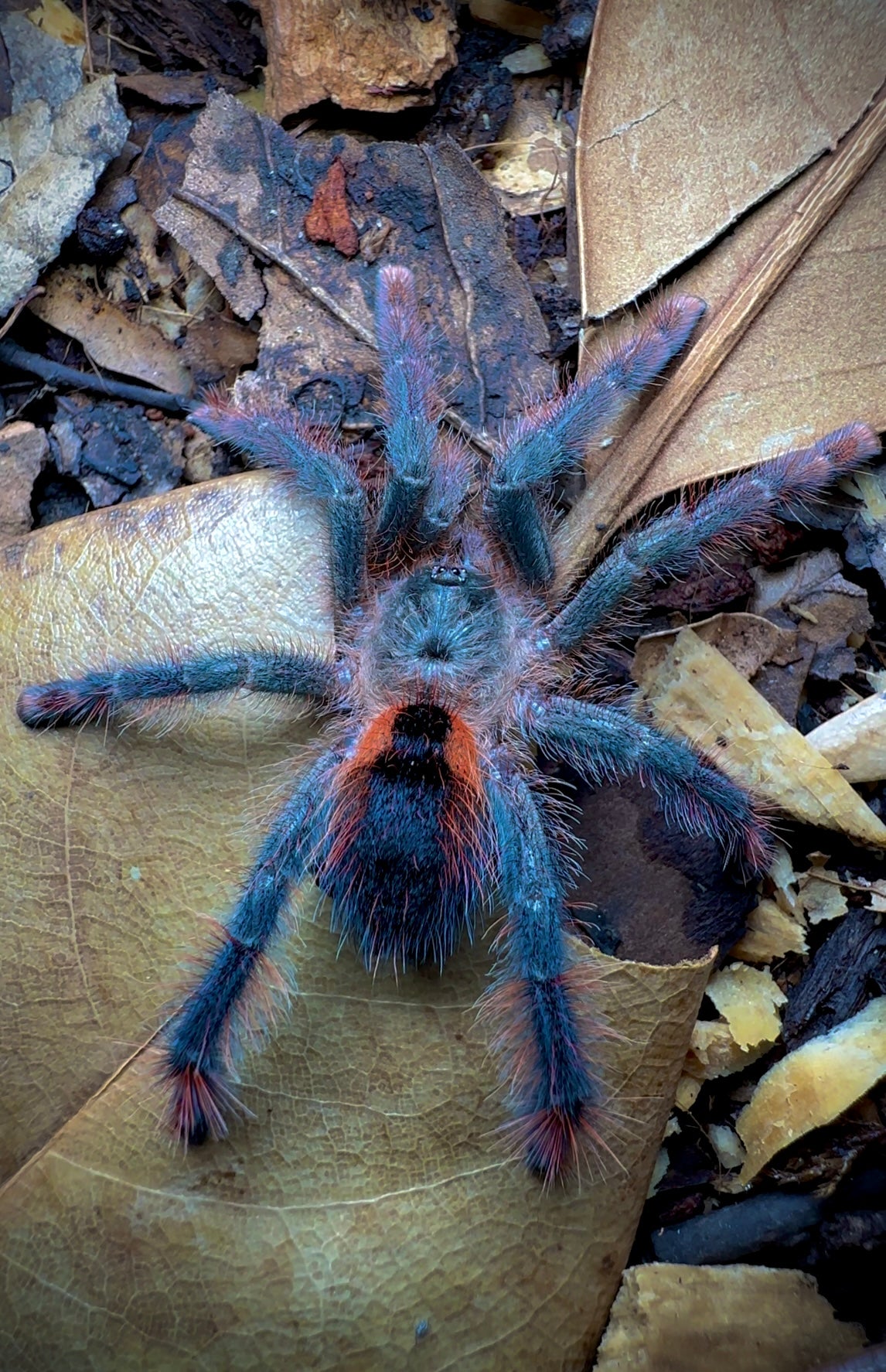
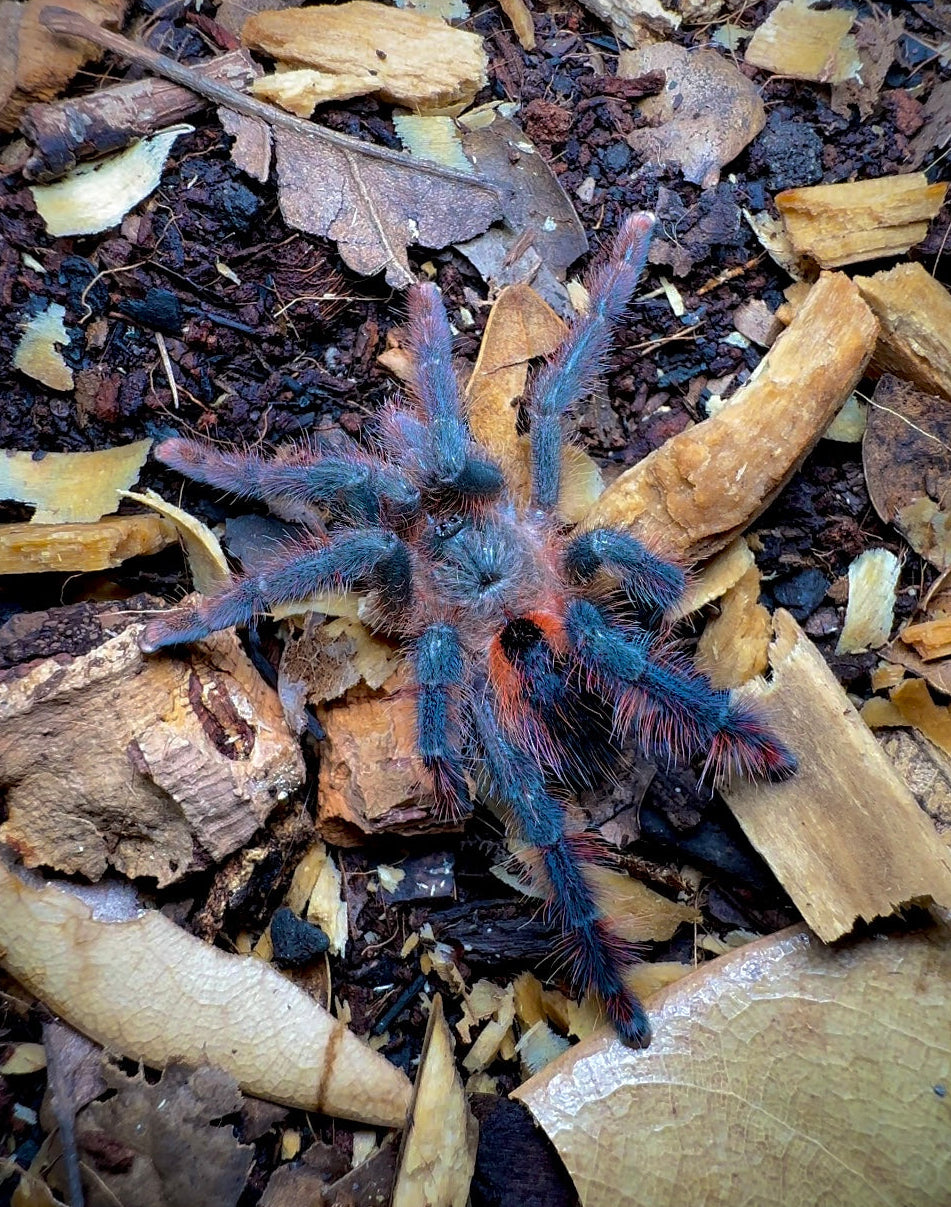
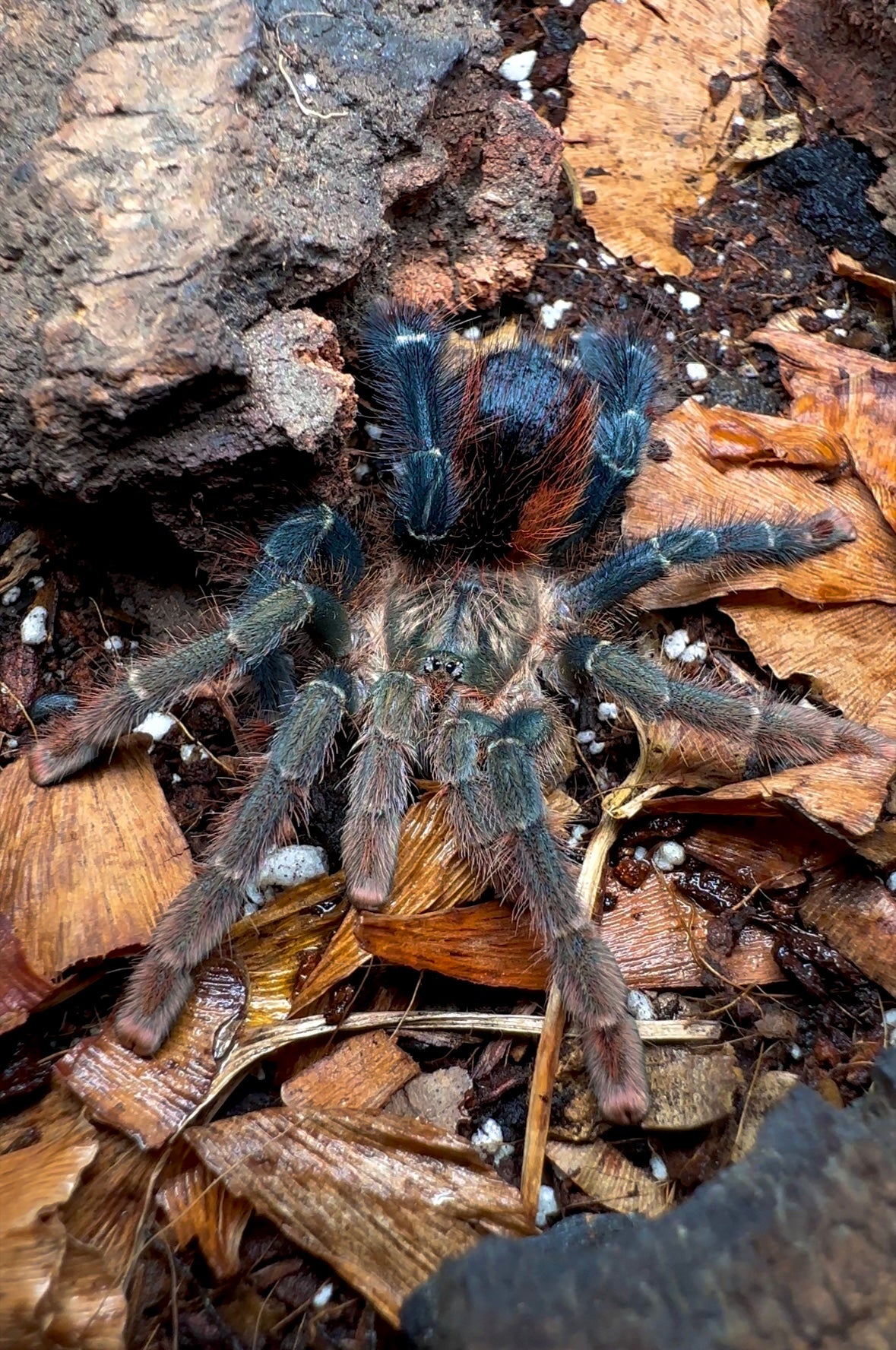
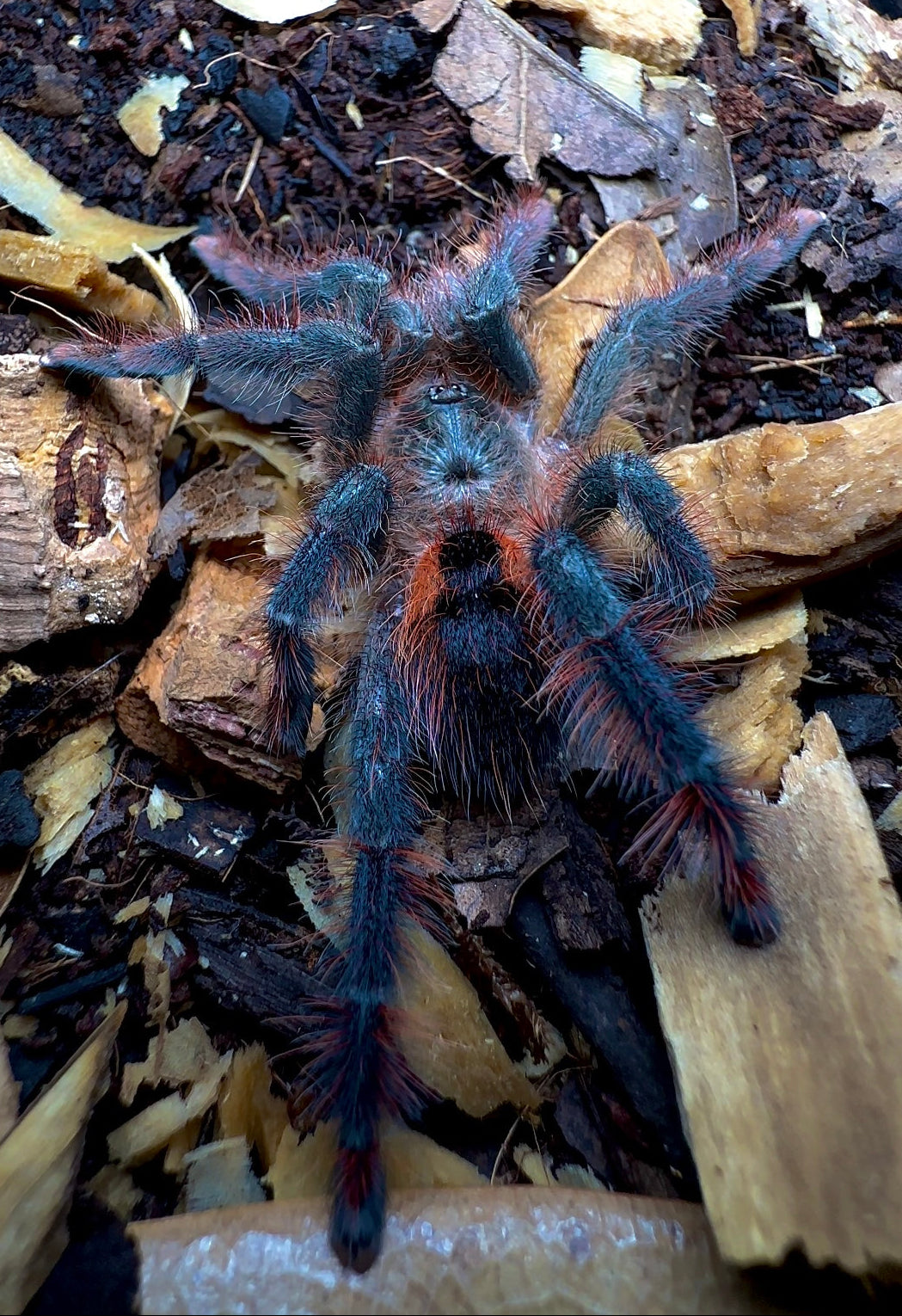
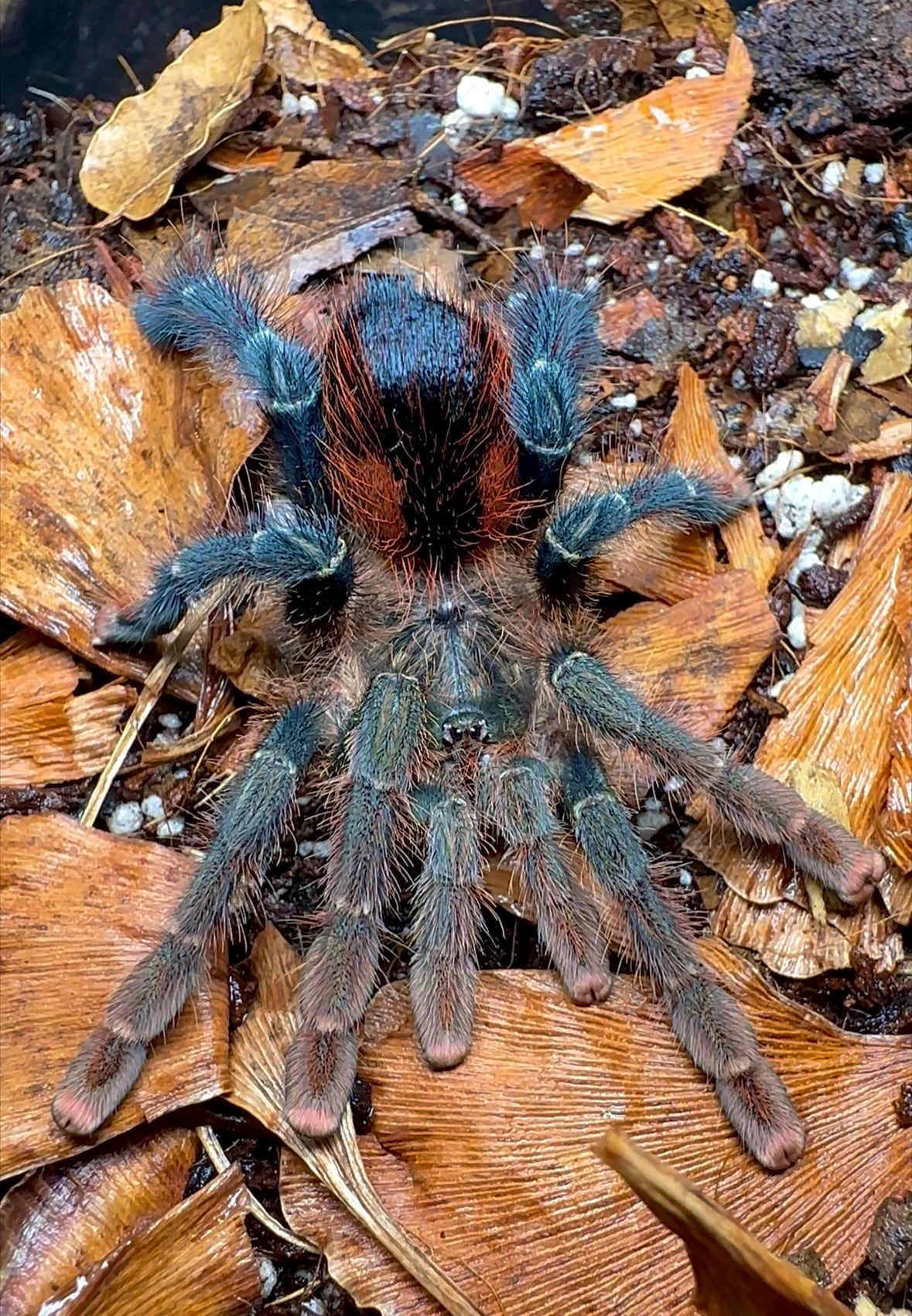
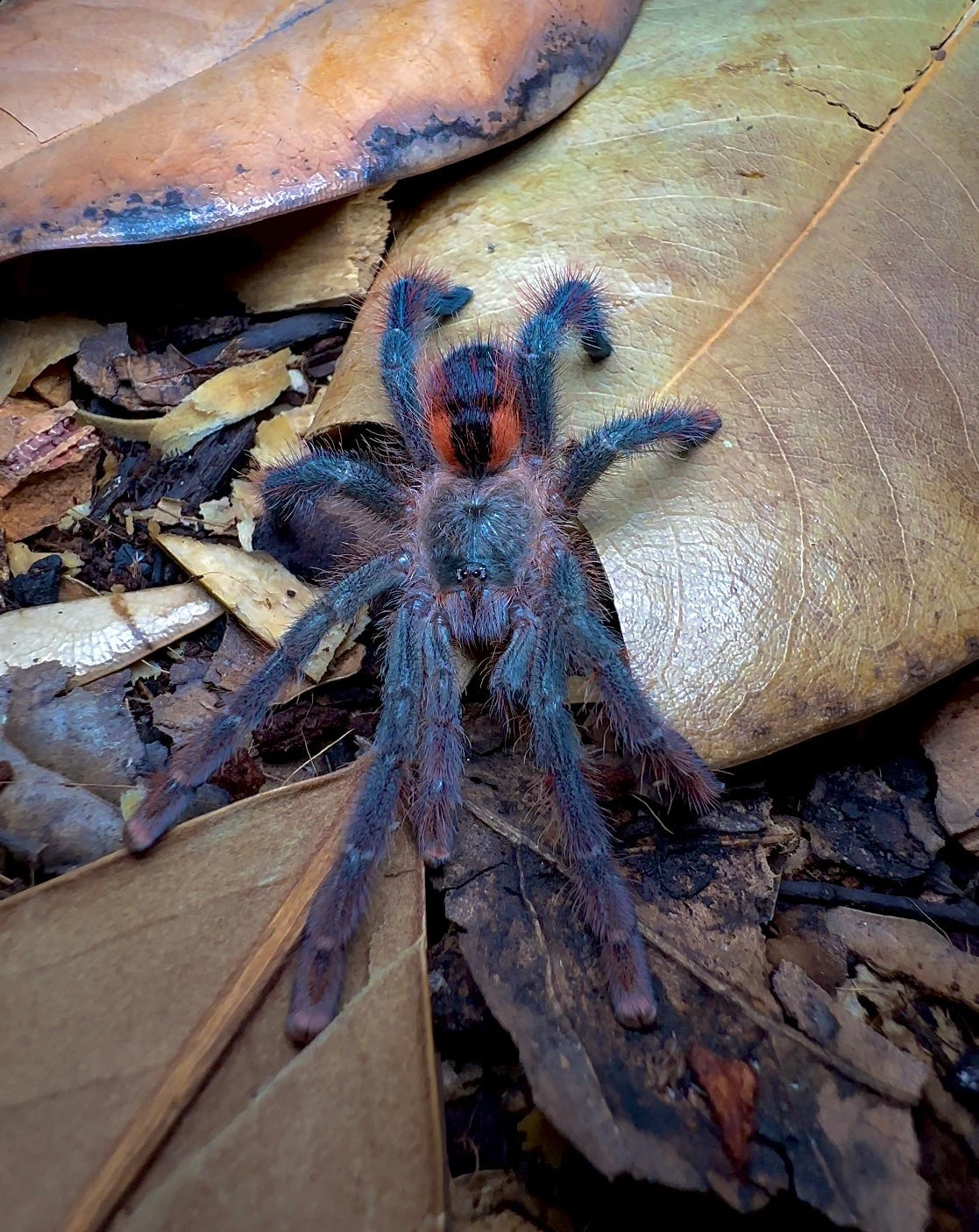
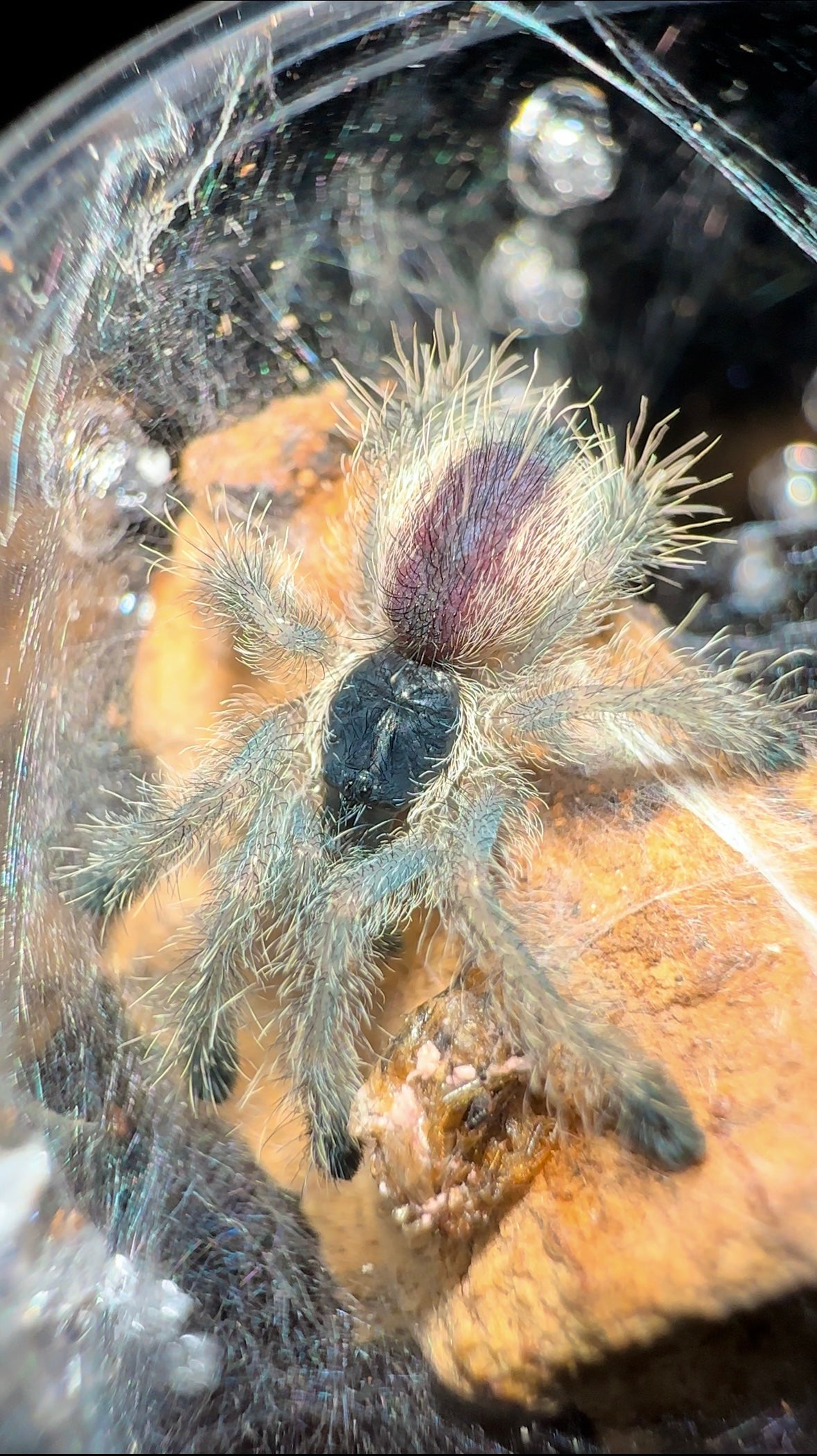
Introducing the Brazilian Phantom Pinktoe (Avicularia hirschii)—a breathtakingly rare gem in the tarantula hobby that stands apart from all other Avicularia species. With its ghostly blue legs, fiery orange accents, and the iconic black stripe running boldly across its abdomen, this species is truly one of nature’s most captivating creations. Unlike the more common pinktoe’s  the Brazilian Phantom Pinktoe possesses a beauty that shimmers under the light, in a mysterious, almost supernatural presence.

This species is extremely rare, with only a handful of keepers in the world lucky enough to own one. It reaches a modest yet elegant 4 to 5 inches DLS, making it one of the more compact Avicularia species—perfect for collectors who love arboreal tarantulas but prefer a smaller, more manageable size. While naturally skittish, the Brazilian Phantom Pinktoe is not defensive and prefers to gracefully retreat rather than stand her grown and defend herself. This makes it an excellent display tarantula for those who appreciate a mix of beauty and active movement.

General Care 

As an arboreal species, it thrives in a vertically oriented enclosure with plenty of ventilation and anchor points for its webbing. While it requires standard Avicularia care, its extreme rarity and one-of-a-kind coloration make it a true holy grail species for serious collectors. If you’re looking to own one of the most exclusive and visually stunning pinktoes in existence, the Ecuadorian Phantom Pinktoe is the ultimate prize. Don’t miss your chance to add this living work of art to your collection. 

View full details
WESTSIDE TARANTULAS

Species Profile

Everything You Need To Know At A Glance.
Experience Level
Beginner
Temperament
Docile, Skittish & Non-Defensive
Type
Arboreal / New World / Dwarf / Pinktoe
DLS
Adult Size
3.75–4.5” DLS
Country of Origin
Brazil
Life Span
♀12–15 Years

Care & Husbandry Guide

🏠 Enclosure & Substrate

Provide a vertically oriented arboreal enclosure with strong cross-ventilation, vertical cork bark, foliage, and plenty of elevated anchor points for webbing. This species naturally utilizes elevated silken retreats, so usable structure in the upper enclosure is especially important. Keep a modest substrate layer below, provide a water dish for larger specimens, and prioritize airflow and webbing structure over excessive substrate depth. 

🌡️ Temperature & Humidity

Maintain comfortable room temperatures around 70–75°F. As with other Avicularia, prioritize excellent cross-ventilation rather than attempting to maintain constantly high humidity. Lightly mist approximately once a week to provide accessible moisture and drinking droplets, but allow adequate airflow between applications. Avoid stagnant air and continuously saturated substrate.

 🍽️ Feeding & Water 

Offer appropriately sized crickets or roaches approximately once a week, adjusting according to size, appetite, and abdomen condition. Provide a clean water dish once specimens are large enough, while also lightly misting the webbing or nearby enclosure wall approximately once a week to create accessible drinking droplets. Remove uneaten prey during premolt and avoid saturating the enclosure simply to maintain humidity.

🕷️ Species-Specific Care 

Avicularia hirschii, the Brazilian Phantom Pink Toe, is an unusually compact and highly distinctive Avicularia prized for its ghostly coloration, contrasting abdominal stripe, and extreme scarcity in collections. Unlike many larger Pink Toes, adults remain relatively compact, making this an excellent species for collectors who want a rare arboreal without requiring an enormous enclosure. Your specimens have proven docile and non-defensive, generally preferring retreat over confrontation. Interestingly, wild specimens have been documented using light silken retreats between broad leaves above the forest floor—classic arboreal Avicularia behavior.