
Skip to product information
1 of 3

Westside Tarantulas

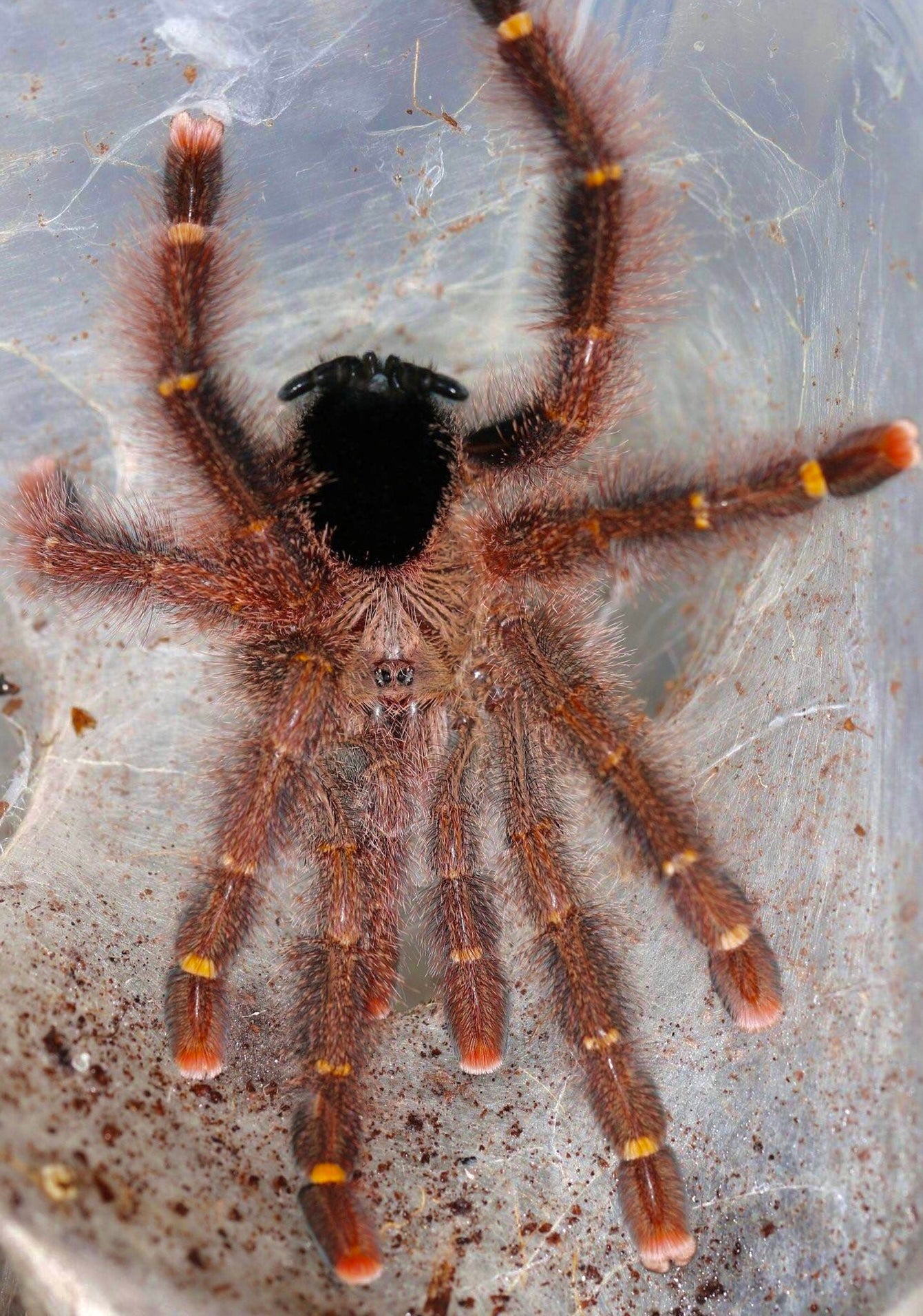
Avicularia Rufa - Yellow Banded Pink Toe - RARE “Brazil Locale” For Sale

Avicularia Rufa - Yellow Banded Pink Toe - RARE “Brazil Locale” For Sale

Regular price $189.00
Regular price Sale price $189.00
Sale Sold out
Shipping calculated at checkout.
Size and Sex

Yellow Banded Pink Toe (Avicularia Rufa) 

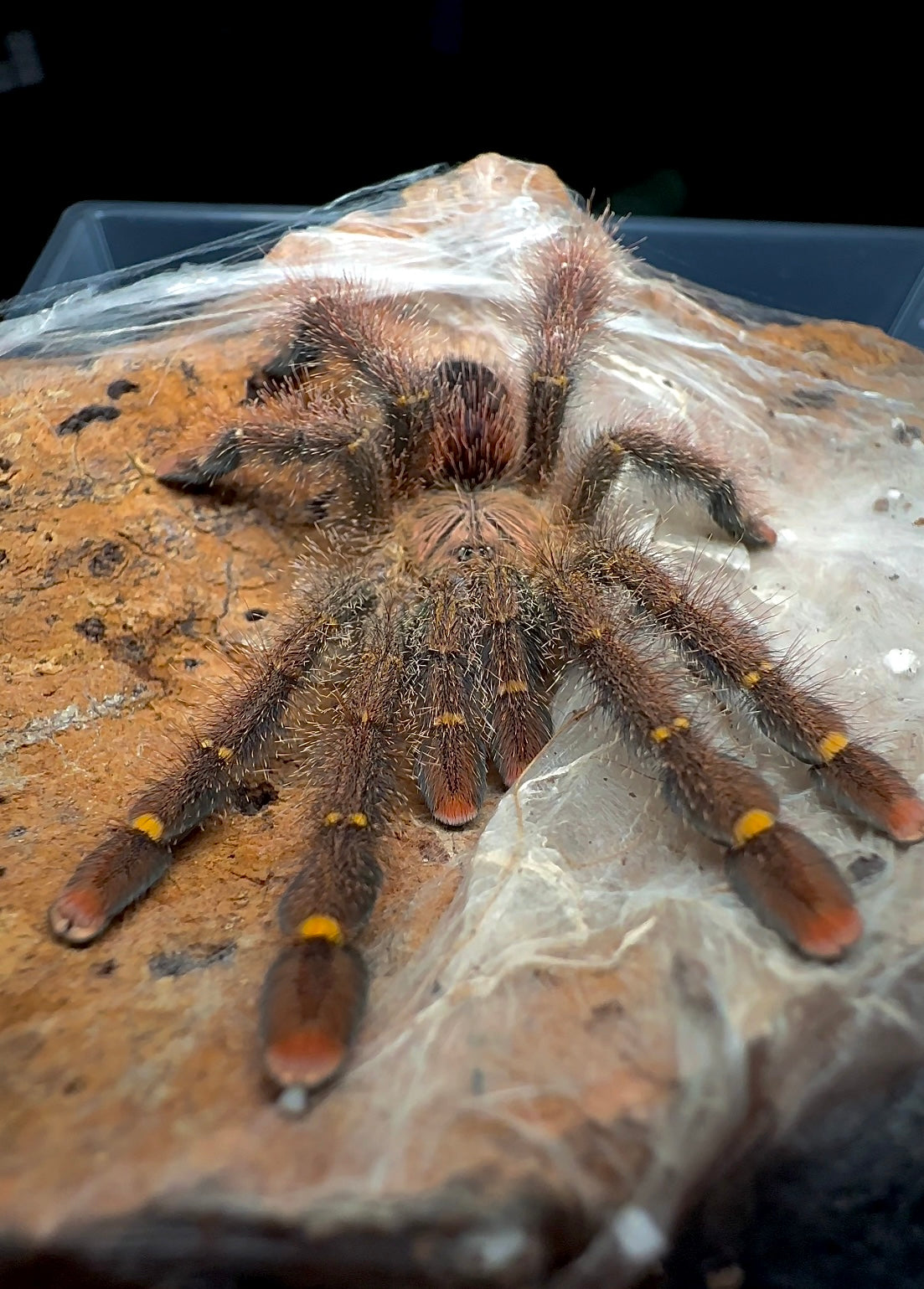
A Fluffy Brazilian Pink Toe With Golden Bands 

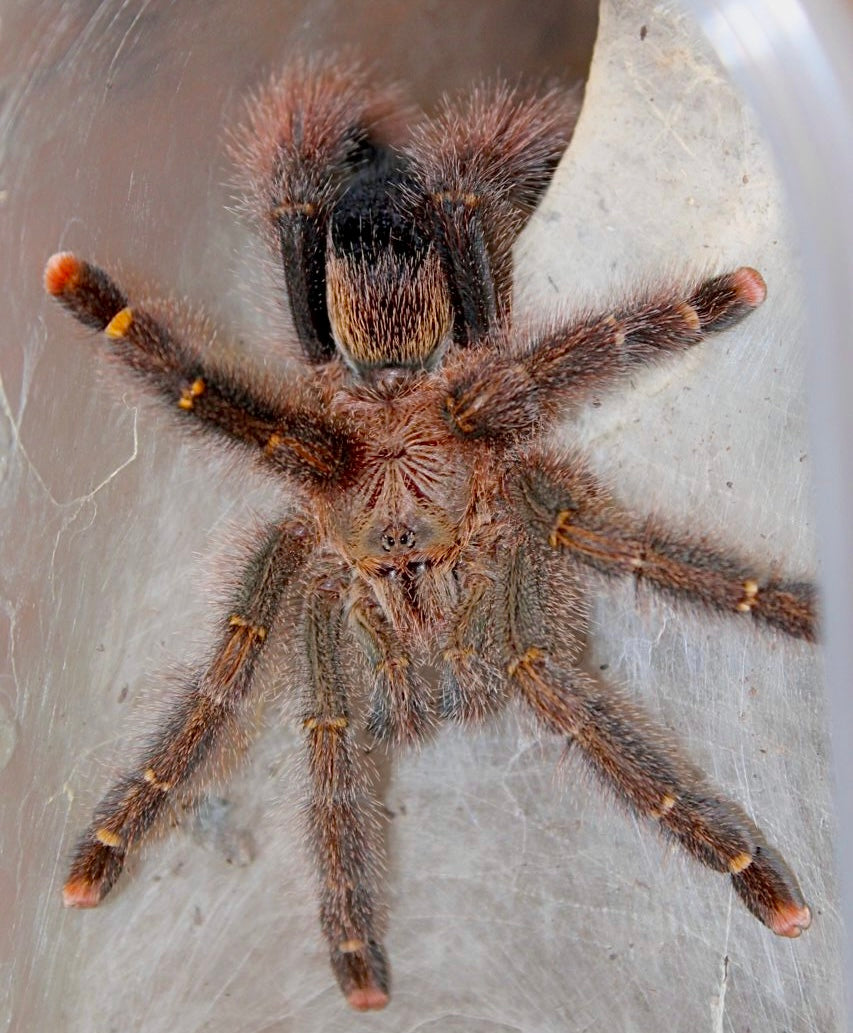
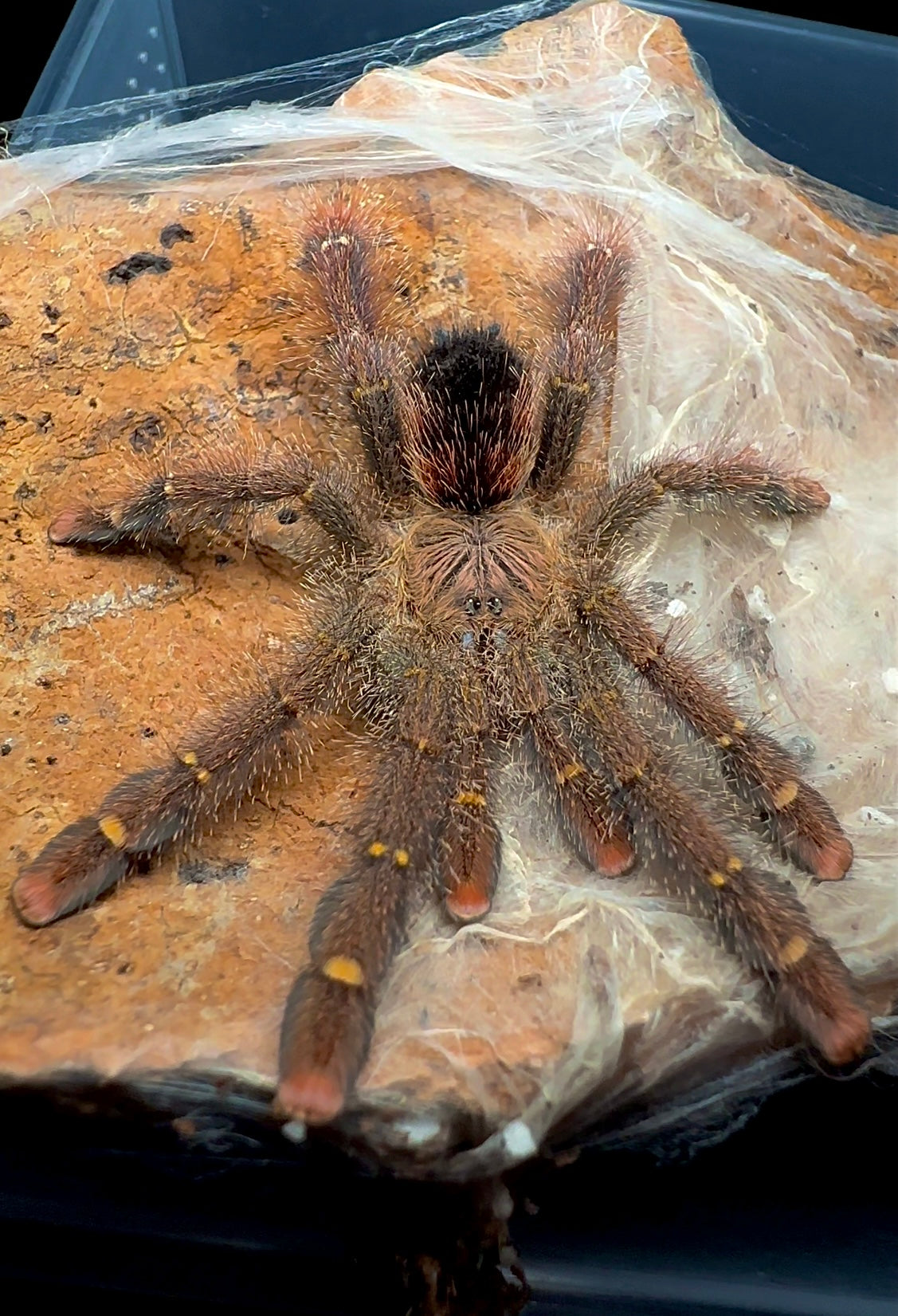
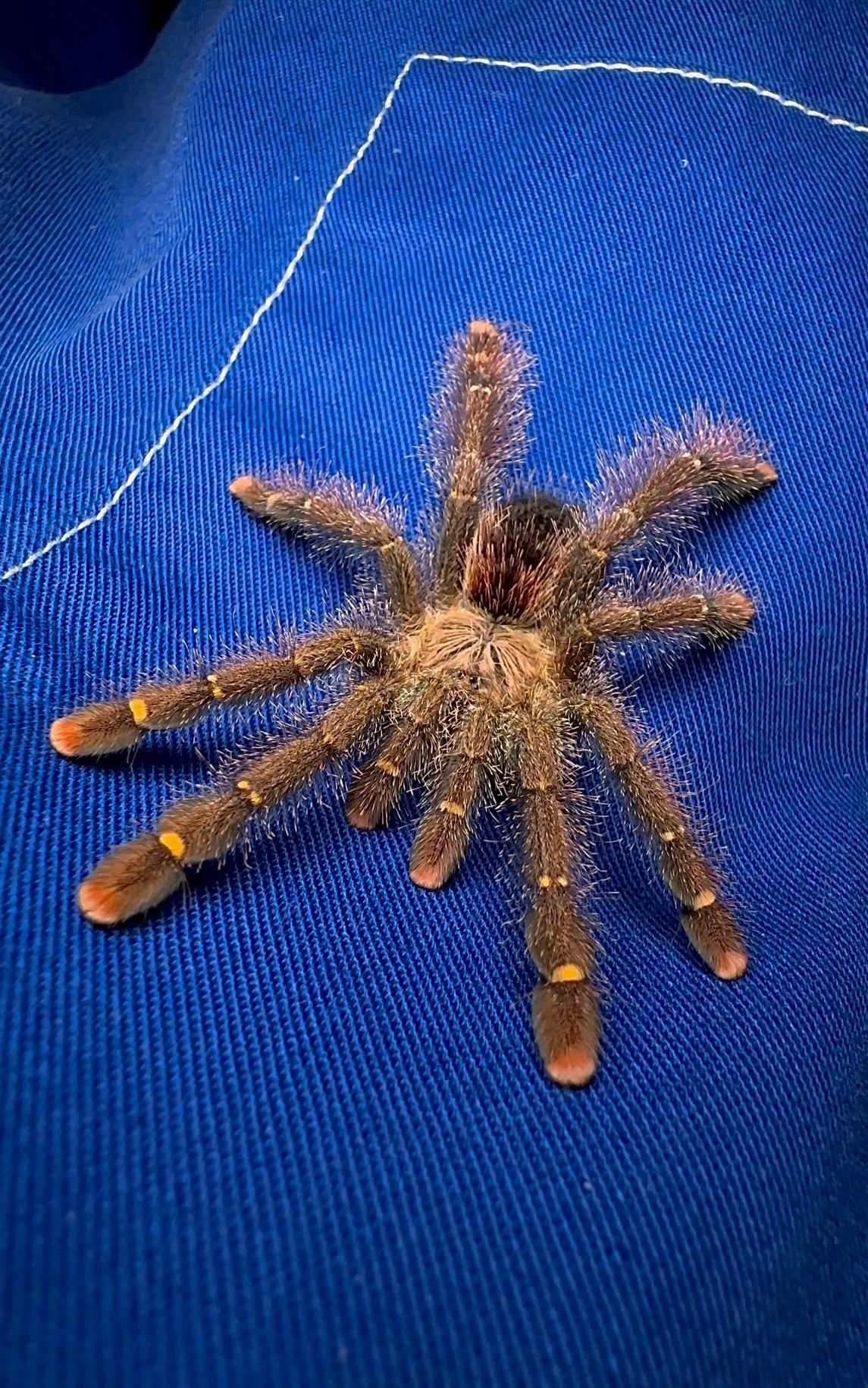
Introducing Avicularia rufa (Brazilian locale) this is the ultra-rare Brazilian locale, known as the Yellow-Banded Pinktoe, a true gem in the world of Avic’s. While most collectors are familiar with the duller, almost-black Peruvian rufa, the Brazilian variant explodes with color, size, and personality. With soft yellow bands on each leg segment, a subtle bluish glow to its dense body hairs, and that classic pink-toed elegance, this species looks like a plush toy crafted by nature herself. And the best part? This color-rich version is almost impossible to find in the U.S. hobby due to Brazil’s strict export laws.

Giant yet Handleable  

Forget what you know about typical Avicularia size. The Brazilian rufa can reach an impressive 7+ inches in diagonal leg span, making it one of the largest Pinktoe pinktoe species in the country. Fully grown females are breathtaking: fluffy, leggy, and glowing with warm pinkish-tones and golden stripes. They’re the kind of tarantula that turns heads even in a room full of rare species. Despite their imposing size and wild coloration, these tarantulas are famously docile and slow-moving, making them exceptional candidates for gentle handling. They rarely bolt, never bite, and are known for their curious and relaxed nature. This specific individual has been produced by yours truly and displays a calm temperament, making her a fantastic ambassador tarantula for both newcomers and seasoned collectors.

Vibrant, Valuable, and Vanishing

Make no mistake — this is one of the most elusive Avicularia in the entire hobby. With Brazil no longer exporting tarantulas, these vibrant giants are only available through rare anf in frequent captive, breeding efforts. If you want a one of a kind giant that few others will ever own, the Brazilian Yellow-Banded Pinktoe is for you. Gorgeous, giant, and gentle — it’s everything you could ever want in an arboreal tarantula.

View full details
WESTSIDE TARANTULAS

Species Profile

Everything You Need To Know At A Glance.
Experience Level
Beginner
Temperament
Extremely Docile, Confident & Calm
Type
Arboreal / New World / Giant / Pinktoe
DLS
Adult Size
6–7+” DLS
Country of Origin
Brazil
Life Span
♀15–20+ Years

Care & Husbandry Guide

🏠 Enclosure & Substrate

Provide a vertically oriented arboreal enclosure with excellent cross-ventilation, upright cork bark, foliage, and multiple elevated anchor points for web construction. Because the Brazil-locale animals develop into particularly substantial Pink Toes, larger specimens should receive generous usable arboreal space. A modest substrate layer is sufficient; prioritize vertical structure, webbing space, airflow, and easy access to water.

🌡️ Temperature & Humidity

Maintain comfortable room temperatures around 70–75°F. Prioritize strong cross-ventilation rather than attempting to maintain a constantly high humidity percentage. Light misting can provide drinking droplets and localized moisture, but the enclosure should be allowed to ventilate between applications. Avoid stagnant air and continuously soaked substrate.

 🍽️ Feeding & Water 

Offer appropriately sized crickets or roaches approximately once a week for growing specimens, adjusting according to appetite and abdomen condition. Lightly mist part of the webbing about once a week to create accessible drinking droplets, and provide a water dish once specimens are large enough. Larger animals can receive correspondingly larger meals while feeding frequency is adjusted according to body condition. Avoid saturating the enclosure simply to increase humidity.

🕷️ Species-Specific Care 

Avicularia rufa, the Yellow Banded Pink Toe, is a large New World arboreal, with your Brazil-locale animals displaying beautiful golden-yellow leg banding, dense fuzzy setae, and subtle blue coloration across the body. Your specimens have proven particularly calm, confident, and slow-moving compared with many more skittish arboreals. Despite its rarity and impressive adult size, husbandry remains very similar to other Avicularia: excellent cross-ventilation, elevated structure, accessible hydration, and plenty of anchor points for webbing.