
Skip to product information
1 of 7

Westside Tarantulas

Bonnetina chamala - Pulp Fiction Tarantula - Extremely Rare!

Bonnetina chamala - Pulp Fiction Tarantula - Extremely Rare!

Regular price $1,500.00
Regular price Sale price $1,500.00
Sale Sold out
Shipping calculated at checkout.
Size and Sex

The Pulp Fiction Tarantula (Bonnetina chamala)

A Cult Classic in the Making!

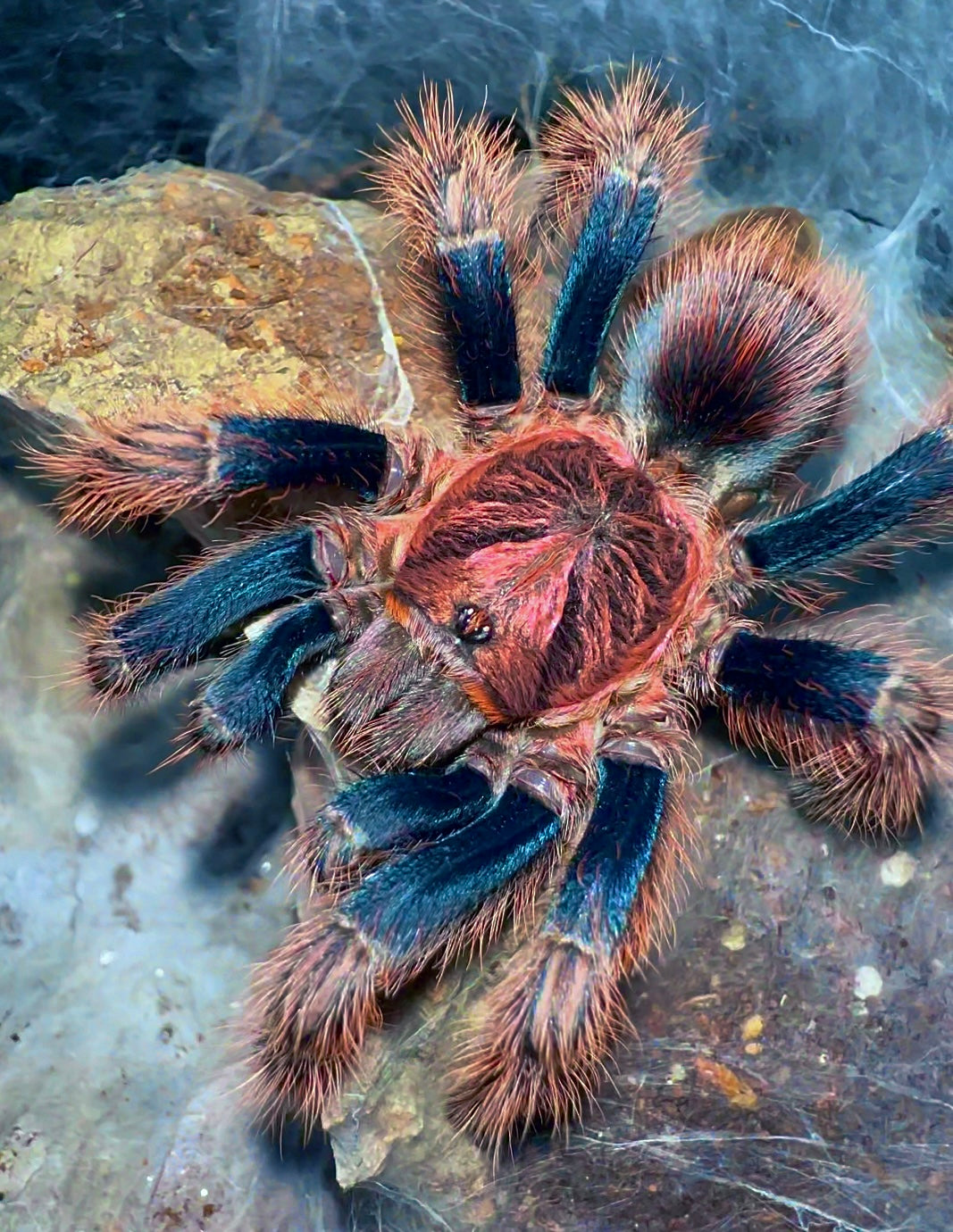
Introducing (Bonnetina chamala) the Pulp Fiction Tarantula—a jaw-dropping visual masterpiece and one of the most uniquely colored tarantulas in the hobby! Scientifically known as Bonnetina chamala, this rare species hails from Mexico and is quickly becoming a collector’s dream due to its one-of-a-kind coloration and elusive background.

Unmatched Coloration

Despite its modest adult size of 5 inches in diagonal leg span, the Pulp Fiction Tarantula packs a punch when it comes to looks. Its bold, blood-red body is accented by deep blue femurs, a rose-tinted carapace, and long, fiery red setae that shimmer under light. There’s truly nothing else like it in the hobby—it looks like a tarantula straight out of a fantasy film.

New to the Hobby—And Already a Star

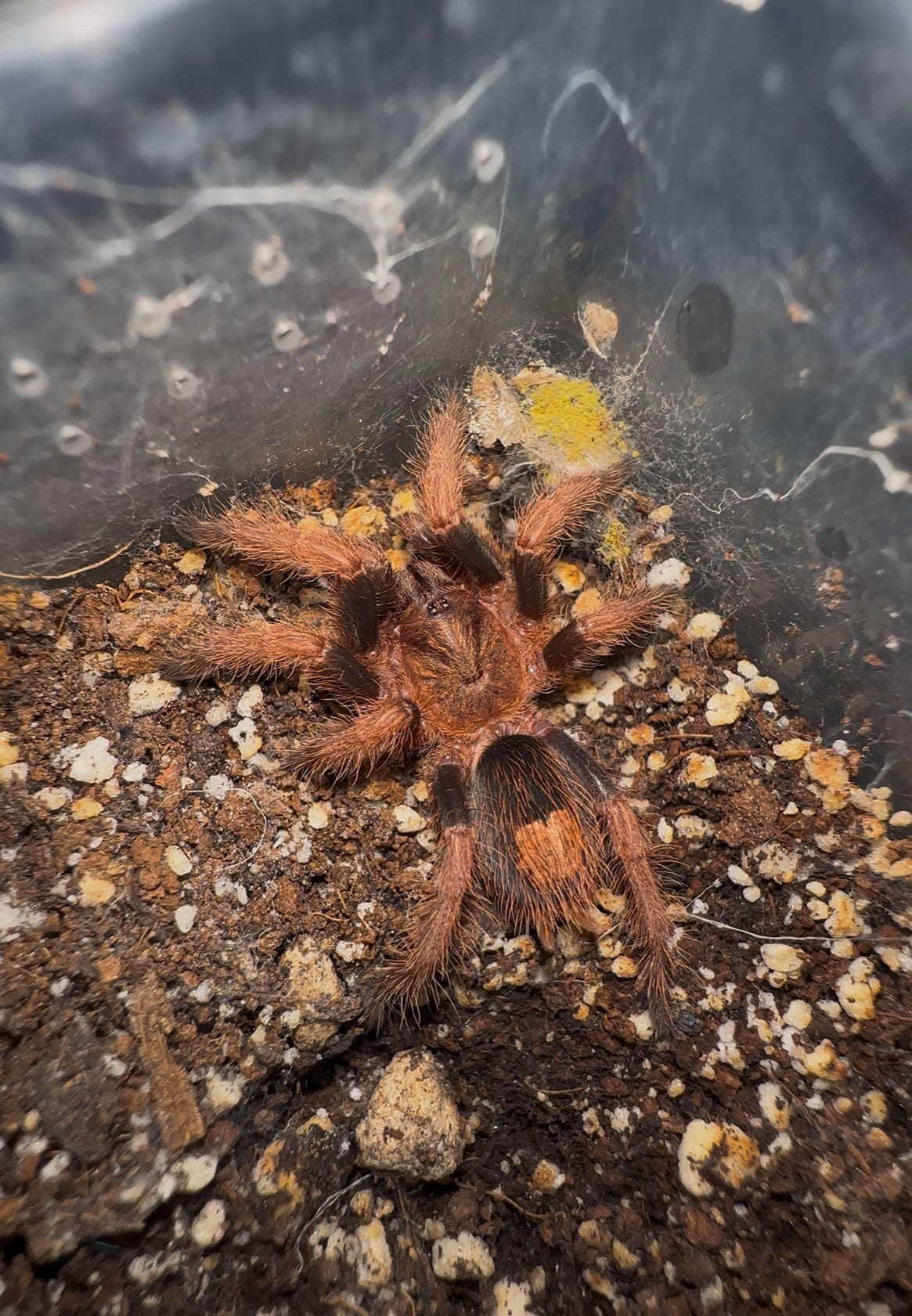
Bonnetina chamala is still very new to the U.S. tarantula scene, meaning there’s a lot left to be discovered about this fascinating species. But what we do know is exciting: their feeding response is surprisingly aggressive, often compared to that of Grammostola species. They’re alert, responsive, and not shy when it comes to dinner time! My adult female is housed in a simple semi-arid terrestrial setup, and she thrives! Despite being from a more secretive genus, she’s surprisingly bold—often found lounging out in the open, showing off her mesmerizing hues. The juvenile female available here is following in her footsteps, confidently on display more often than not.

Tiny Start, Big Finish

Like many Mexican terrestrials, Bonnetina slings start off tiny—we’re talking smaller than 0.25 inches DLS. But don’t let that fool you. With steady growth and proper care, they blossom into some of the most visually striking tarantulas in any collection. If you’re looking for a species that breaks the mold—both in looks and rarity—the Pulp Fiction Tarantula is your next must-have.

View full details
WESTSIDE TARANTULAS

Species Profile

Everything You Need To Know At A Glance.
Experience Level
Beginner
Temperament
Active & Skittish as Juveniles. Calm & Docile as Adults
Type
Terrestrial / New World
DLS
Adult Size
5+” DLS
Country of Origin
Mexico
Life Span
♀25+ Years

Care & Husbandry Guide

🏠 Enclosure & Substrate

Provide a terrestrial enclosure with several inches of compactable substrate and a secure cork-bark hide or starter burrow. Give smaller specimens enough substrate to excavate if desired. As animals mature, provide additional floor space while keeping excessive climbing height to a minimum. A water dish should remain available to established juveniles and adults.

🌡️ Temperature & Humidity

Maintain comfortable room temperatures around 70–78°F. Keep the enclosure predominantly dry with access to fresh water rather than attempting to maintain high humidity. Smaller specimens can receive occasional localized moisture, but established juveniles and adults should have good ventilation and should not be kept on continuously saturated substrate.

 🍽️ Feeding & Water 

Offer appropriately sized crickets or roaches approximately once per week for growing specimens, adjusting according to appetite and abdomen condition. Your animals have demonstrated an excellent feeding response despite the species’ slow overall growth. Larger adults can be fed less frequently according to body condition. Keep a clean water dish available at all times and remove uneaten prey during premolt.

🕷️ Species-Specific Care 

Bonnetina chamala, the Pulp Fiction Tarantula, is an exceptionally rare Mexican terrestrial prized for its dramatic combination of deep red coloration, contrasting blue femurs, rosy carapace, and long fiery setae. Despite its exotic appearance and rarity, your established adults have proven surprisingly straightforward to maintain and spend a good amount of time visible rather than constantly hiding. Juveniles can be quicker and more skittish, while your mature specimens have become substantially calmer. Provide a terrestrial setup with a secure retreat, compactable substrate, a water dish, and predominantly dry conditions.