
Skip to product information
1 of 1

Westside Tarantulas

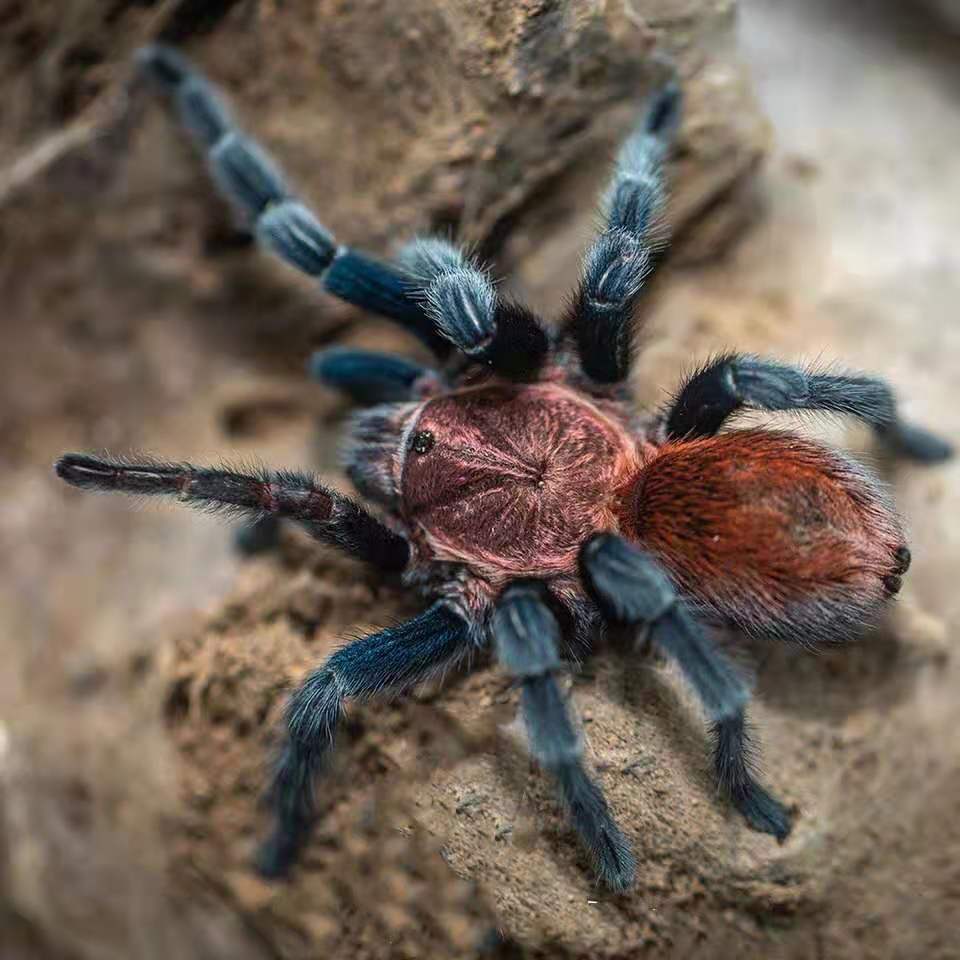
Bonnetina papalutlensis - The Mexican Blue & Pink - Pair For Sale!

Bonnetina papalutlensis - The Mexican Blue & Pink - Pair For Sale!

Regular price $250.00
Regular price Sale price $250.00
Sale Sold out
Shipping calculated at checkout.
Size and Sex

The Mexican Blue & Pink (Bonnetina papalutlensis)

Stunning & Docile!

Introducing Bonnetina papalutlensis, better known as the Mexican Blue & Pink, a jaw-dropping visual masterpiece and one of the most uniquely colored tarantulas in the entire hobby. Native to Mexico, this stunning Bonnetina species has quietly built a reputation among serious collectors for its Gorgeous color scheme, outrageous contrast and docile personality. If you appreciate bold coloration and rarely seen gems, this is the kind of tarantula that instantly earns a top spot in your collection.

Unmatched Coloration

Despite a modest adult size of around 6 inches in diagonal leg span, the Mexican Blue & Pink absolutely explodes with color. Sporting a deep, midnight blue body that contrast’s dramatically against its rose pink carapace and copper abdomen. Its velvety setae add an extra layer of unique beauty! There’s truly nothing else quite like it. The color separation is clean, bold, and unmistakable! This species looks almost, like it was custom-designed for collectors who crave something different.

A Rising Star in the Hobby

Bonnetina papalutlensis remains relatively uncommon in the U.S. hobby, making it highly desirable for collectors who want something that not everyone else has. While still somewhat underappreciated compared to mainstream Mexican terrestrials, that is rapidly changing as more keepers discover just how visually impressive this species really is. Their feeding response is confident and enthusiastic, often surprising keepers who assume such a beautiful spider might be delicate or timid. They’re alert, responsive, and highly interactive during feeding time, making them one of those tarantulas you look forward to feeding.

Tiny Start, Big Finish

Like many Mexican species, Bonnetina papalutlensis begin very small, and are very slow growing… but with patience they transform into some of the most visually striking adults in the hobby. Watching the blues deepen and the pink tones intensify with each molt is part of what makes raising this species so rewarding. If you’re looking for a tarantula that breaks the mold—both in coloration and rarity—the Mexican Blue & Pink is a must-have.

View full details
WESTSIDE TARANTULAS

Species Profile

Everything You Need To Know At A Glance.
Experience Level
Beginner
Temperament
Active & Skittish as Juveniles; Calm & Docile as Adults
Type
Terrestrial / New World
DLS
Adult Size
5-6” DLS
Country of Origin
Mexico – (Guerrero)
Life Span
♀25+ Years

Care & Husbandry Guide

🏠 Enclosure & Substrate

Provide a terrestrial enclosure with several inches of firmly packed substrate and a secure cork-bark hide or starter burrow. Give the tarantula enough substrate to excavate if desired and substantially more floor space than climbing height. As the animal grows, increase enclosure footprint while keeping excessive fall distance to a minimum.

🌡️ Temperature & Humidity

Maintain comfortable room temperatures around 70–78°F. Keep established specimens predominantly dry with good ventilation and a permanent water dish rather than attempting to maintain high humidity. Smaller juveniles can receive occasional localized moisture, but avoid continuously saturated substrate.

 🍽️ Feeding & Water 

Offer growing specimens appropriately sized crickets or roaches approximately once per week, adjusting according to appetite and abdomen condition. Despite its slow growth rate, your animals have shown a confident feeding response. Larger specimens can be fed less frequently depending on body condition. Provide a clean water dish at all times and remove uneaten prey when the animal enters premolt.

🕷️ Species-Specific Care 

Bonnetina papalutlensis, the Mexican Blue & Pink, is a rare Mexican terrestrial prized for its incredible contrast of deep blue legs and body, a rosy-pink carapace, and warm copper tones across the abdomen. Juveniles can be active and somewhat skittish, while your established adults become considerably calmer and more deliberate. Like many slow-growing Mexican terrestrials, this species does best with a relatively dry, well-ventilated setup, a secure hide, compactable substrate, and constant access to fresh water.