
Skip to product information
1 of 3

Westside Tarantulas

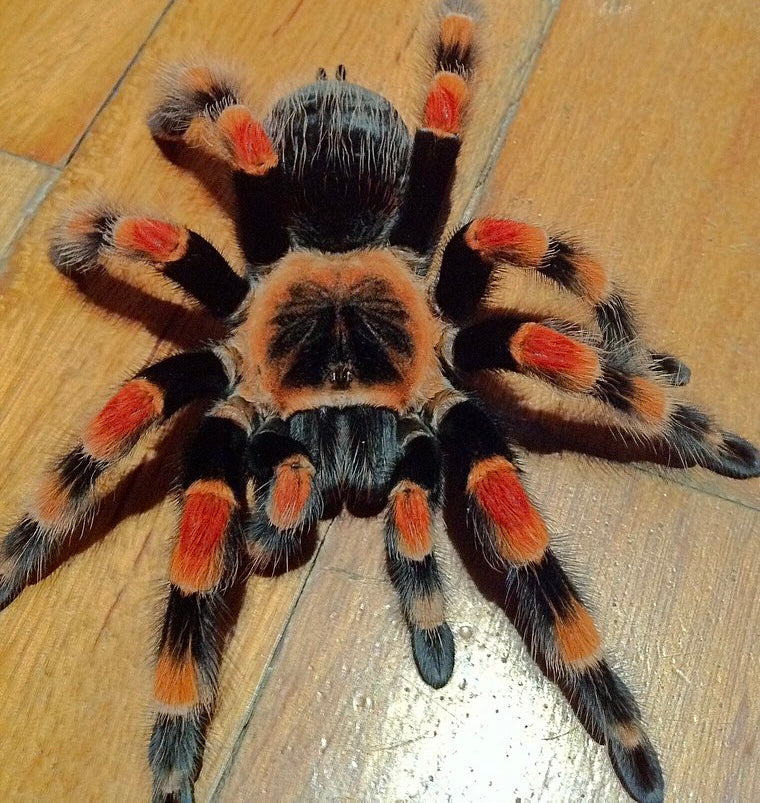
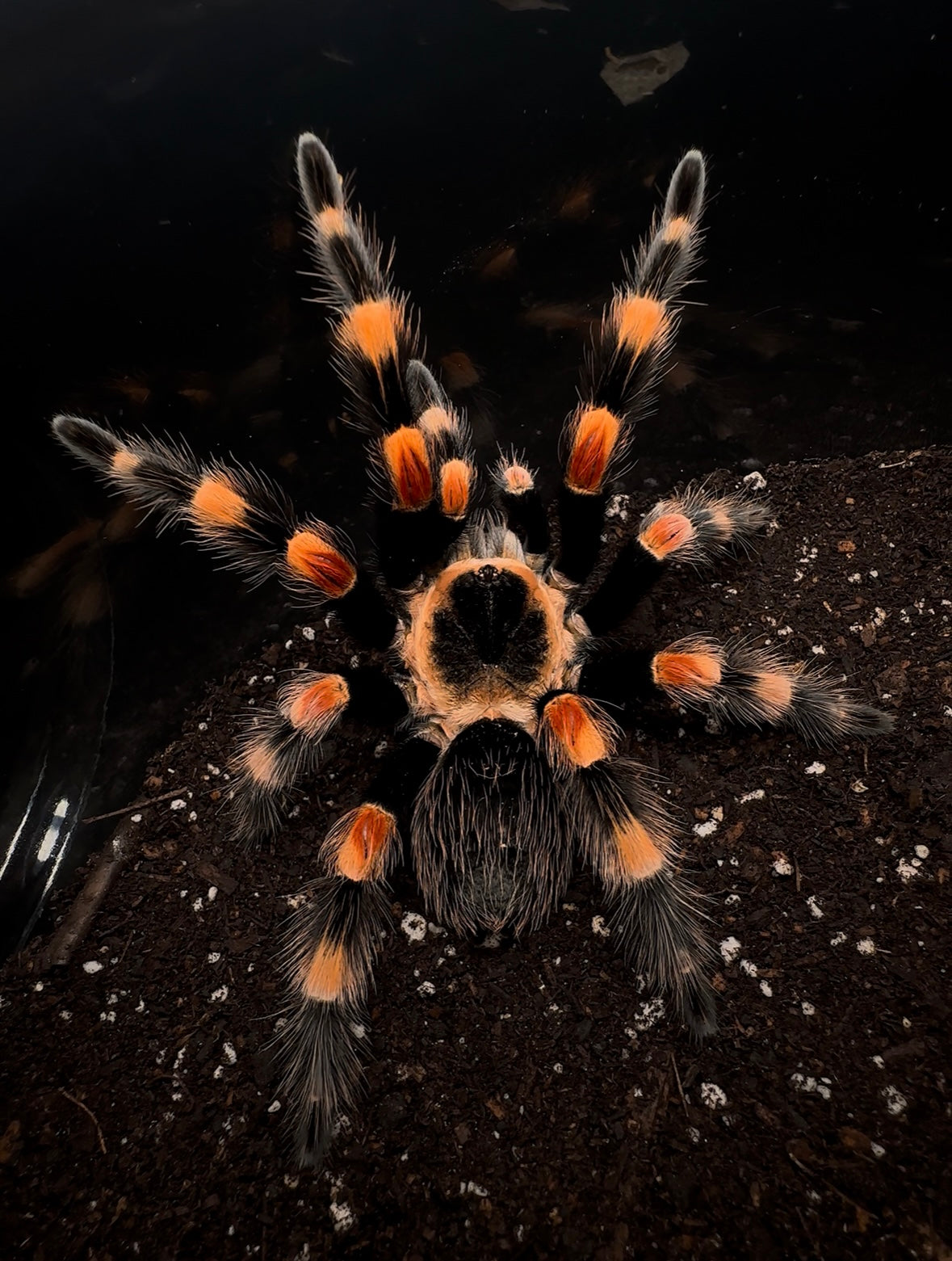
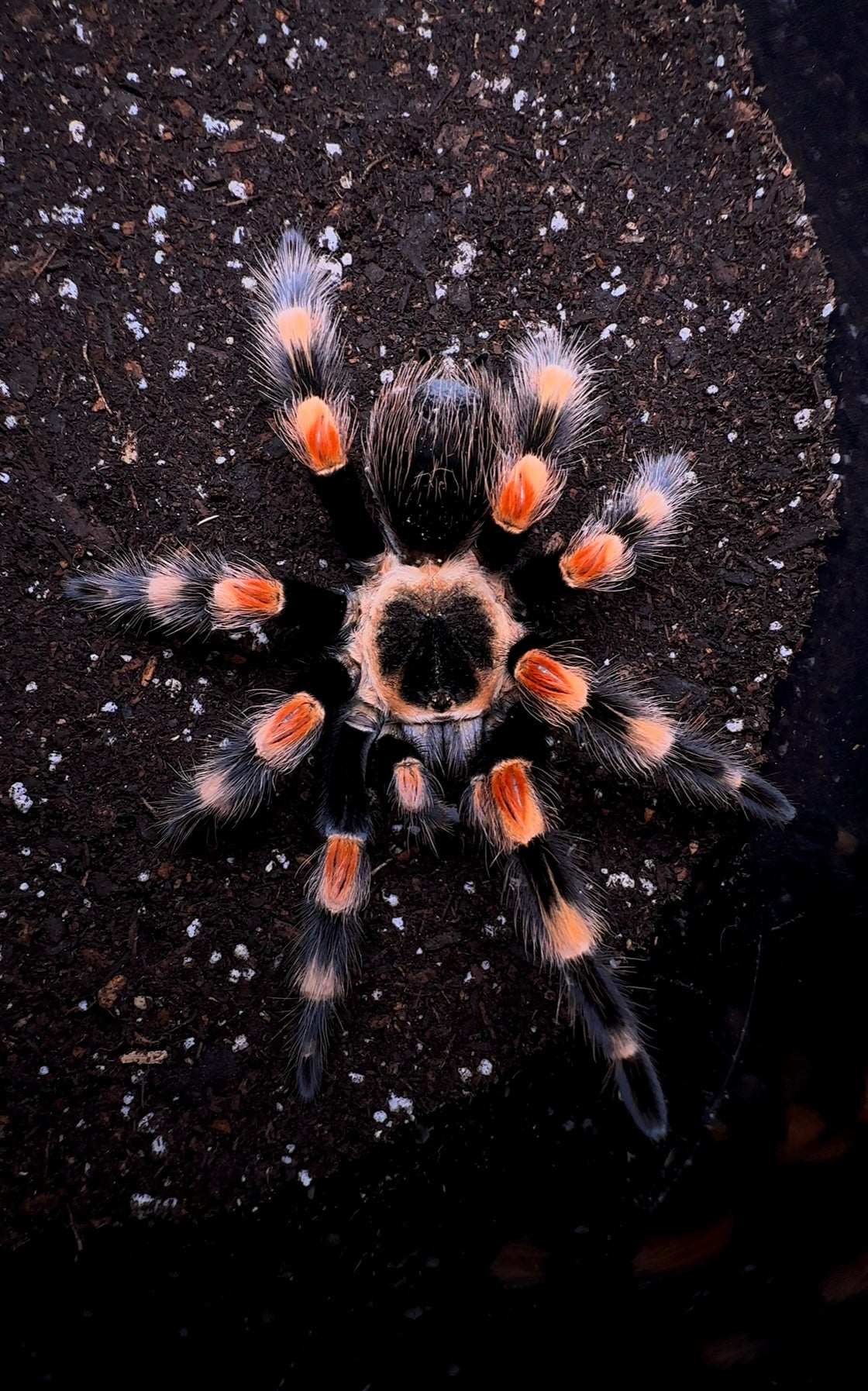
Brachypelma smithi - Giant Mexican Red Knee - Pure Bloodline For Sale

Brachypelma smithi - Giant Mexican Red Knee - Pure Bloodline For Sale

Regular price $99.00
Regular price Sale price $99.00
Sale Sold out
Shipping calculated at checkout.
Size And Sex

Giant Mexican Red Knee - Brachypelma smithi 

Pure Bloodline, Ultra Rare In the US 

Introducing the OG show stopper—the Brachypelma smithi, also known as the Giant Mexican Red Knee. Unlike its more commonly seen cousin (B. hamorii), this is the real deal, pure bloodline smithi. This is a highly sought-after and now exceptionally rare species within the U.S. hobby. Most red knees in circulation are mislabeled or hybridized, making verified pure specimens like this one nearly impossible to come by.

Strikingly iconic, this species boasts vibrant fire-orange patellae that glow atop a jet-black body, framed with fluffy cream banding and an unmistakable velvety carapace. But what truly sets B. smithi apart is its gargantuan adult size—easily surpassing the hamorii in mass and legspan. When mature, they command attention as one of the most photogenic and majestic terrestrial species in the world. Not to mention, they reach a unbelievable 7 to 8 inches in DLS 

Despite its massive size and fiery appearance, the Giant Mexican Red Knee is famously docile and beginner-friendly. In contrast to the B. hamorii, the smithi tends to kick hairs far less frequently, making it a dream species for both display and handling (with care). Their calm disposition and slow, deliberate movements have earned them a reputation as “gentle giants” among keepers.

Experience level - Beginner 

Personality - Docile, tolerant of handling, slow moving and confident 

Adult size - 7 to 8 inches DLS

Life span - 35+ years 

Growth Rate - Slow

Giant Mexican Red Knee Care - Keep the Brachypelma smithi in a terrestrial enclosure 3 to 5 times its legspan. They come from the dry deserts of Mexico, which means they require a dry substrate in captivity. I recommend you give the species a water dish while keeping their substrate bone dry! They do not burrow in captivity. I will always stay out and about making them a great display species! lastly feed your beauty once a week and thats it! Truly a beginner species 

View full details
WESTSIDE TARANTULAS

Species Profile

Everything You Need To Know At A Glance.
Experience Level
Beginner
Temperament
Docile, Confident & Slow-Moving
Type
Terrestrial / New World
DLS
Adult Size
7-8” DLS
Country of Origin
Mexico
Life Span
♀35+ Years

Care & Husbandry Guide

🏠 Enclosure & Substrate

Provide a terrestrial enclosure with several inches of firmly packed, compactable substrate and a secure cork-bark hide or starter burrow. Give the spider substantially more floor space than climbing height and keep fall distance low. One important correction to your older care copy: B. smithi can and does use or excavate burrows in nature, so I would remove the statement that they “do not burrow.” A conservation review specifically describes the species as fossorial and documents natural burrow use. 

🌡️ Temperature & Humidity

Maintain comfortable room temperatures around 68–78°F. Established specimens do well under mostly dry conditions with good ventilation and constant access to fresh water. A small localized area of moisture or occasional water-dish overflow is preferable to keeping the entire enclosure wet. Avoid stagnant or continuously saturated substrate.

 🍽️ Feeding & Water 

Offer growing specimens appropriately sized crickets or roaches approximately once every 7–10 days, adjusting according to appetite and abdomen condition. Larger juveniles and adults can be fed less frequently as their metabolism slows. Extended fasting—especially around premolt—is normal for slow-growing Brachypelma. Provide a clean water dish at all times and remove uneaten prey when premolt behavior begins.

🕷️ Species-Specific Care 

Brachypelma smithi, the Giant Mexican Red Knee, is a spectacular slow-growing Mexican terrestrial famous for its brilliant orange-red knees, dark velvet body, substantial build, and remarkably calm demeanor. Your established specimens have proven slow-moving, confident, and highly visible, making this an exceptional display species despite its very long maturation time. Larger animals represent years of development already completed, which makes established females especially desirable. Although generally calm, this is still a New World tarantula capable of using urticating hairs, so individual temperament should always be respected. Your current Westside listing likewise characterizes the species as docile and beginner-friendly.