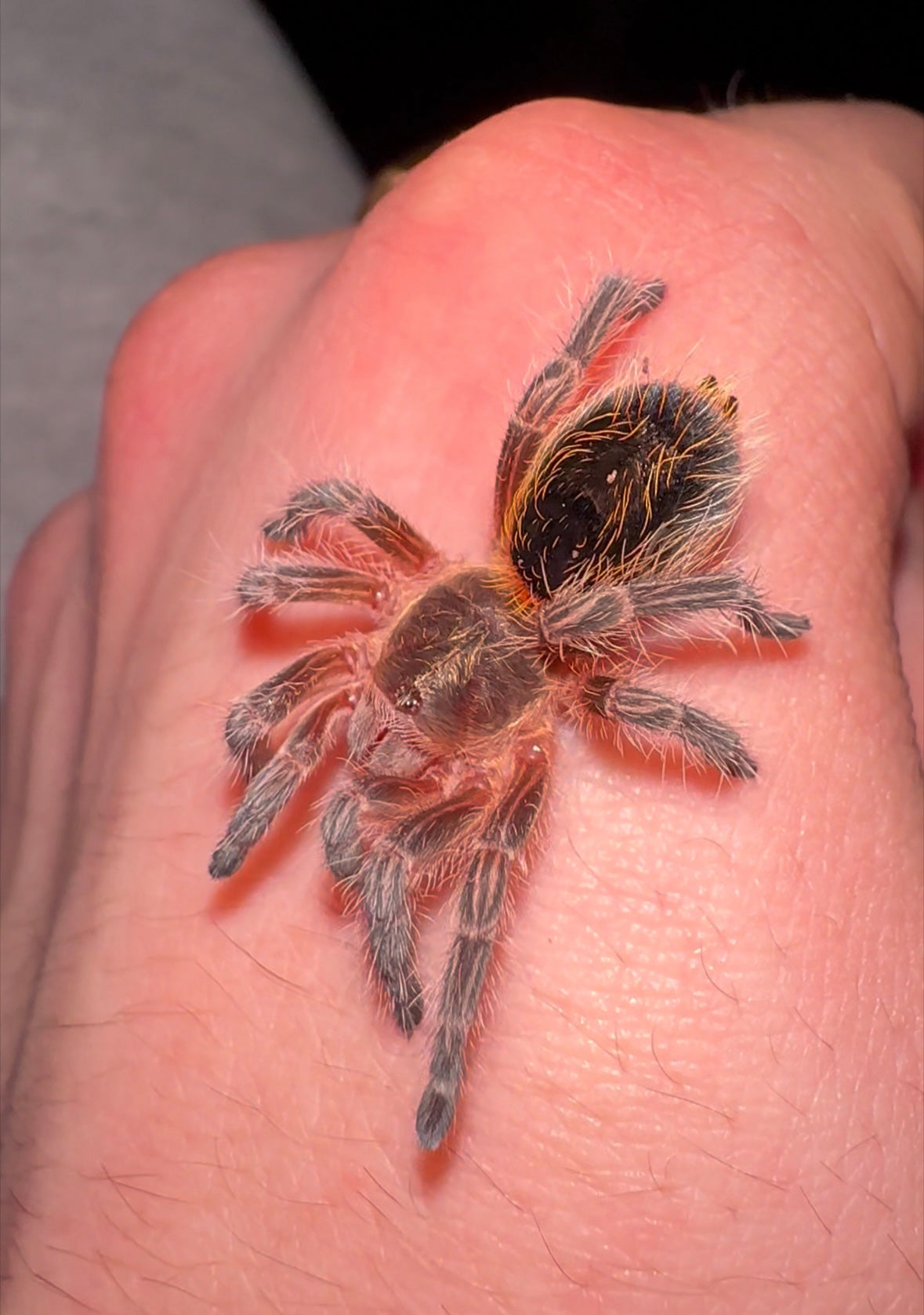
Euathlus sp. “Condorito” – Chilean Pink Sapphire
A Completely Different Kind of Euathlus
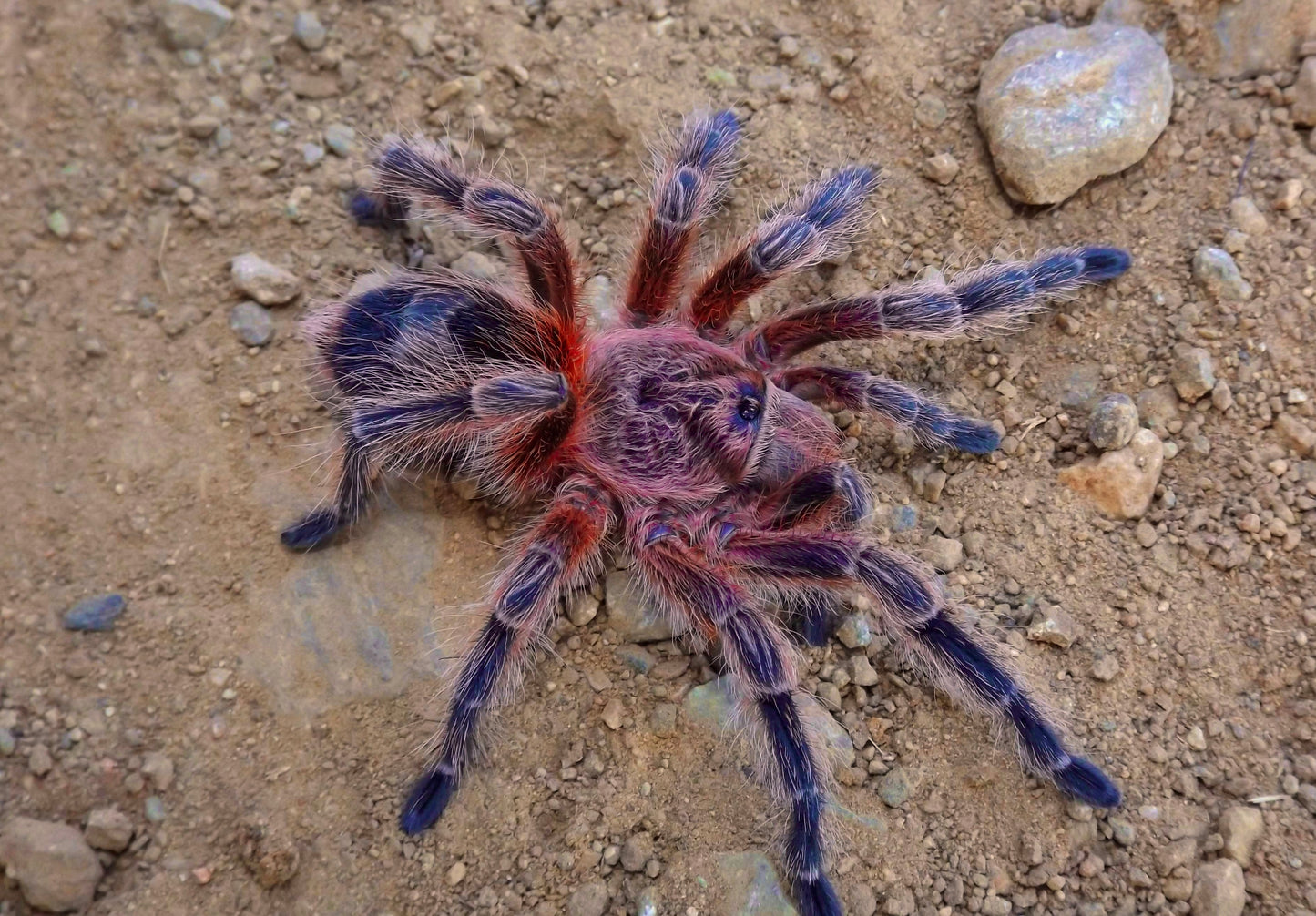
Euathlus sp. “Condorito,” the Chilean Pink Sapphire, is one of those species that perfectly shows why I love this genus so much. Adults develop a beautiful combination of cool blue/sapphire tones mixed with soft pink and copper coloration, giving them a much more delicate appearance than some of the brighter Euathlus species. Depending on the lighting, those colors can shift dramatically, and a freshly molted specimen is absolutely stunning.
Extremely Docile & Curious
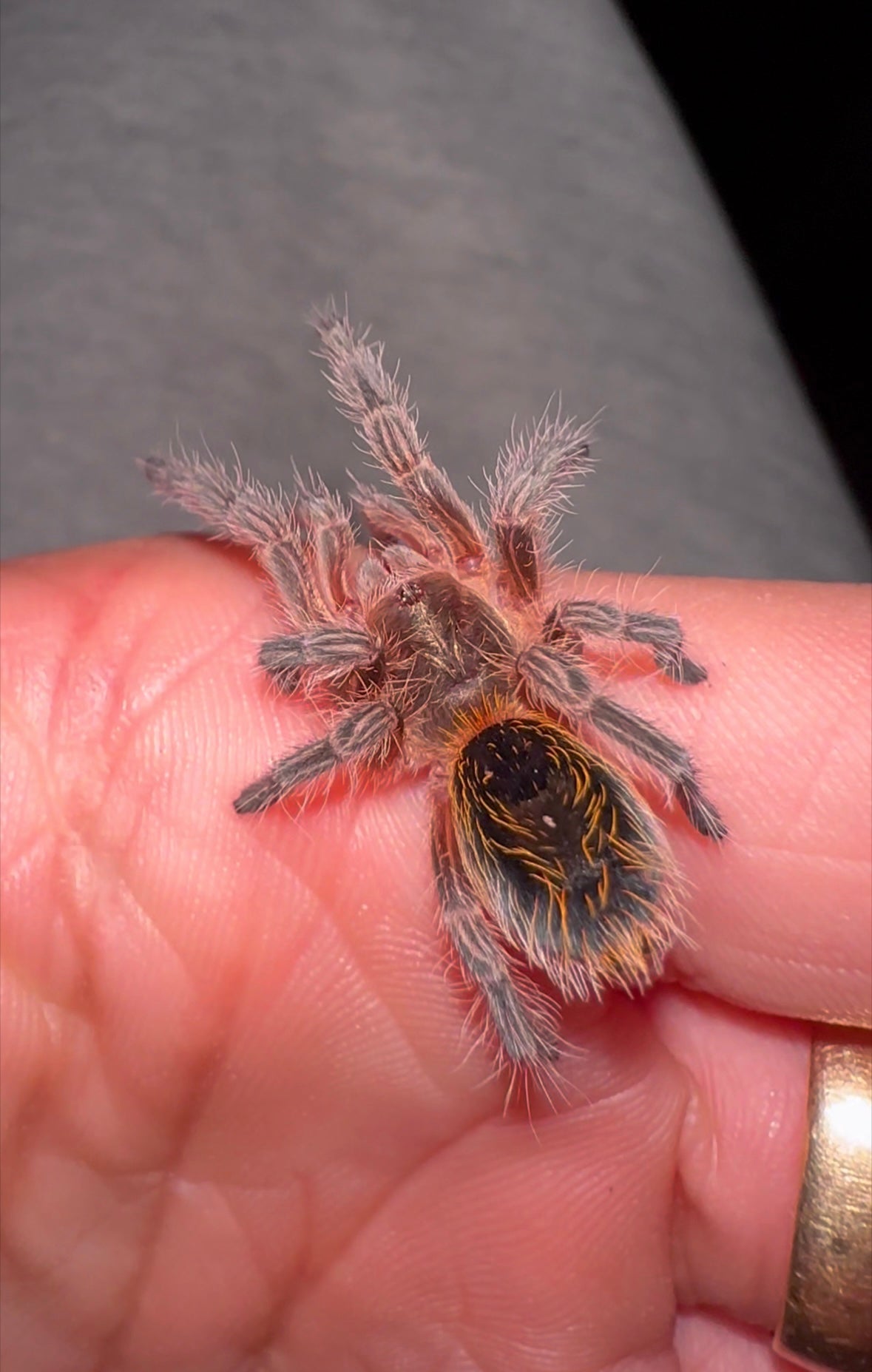
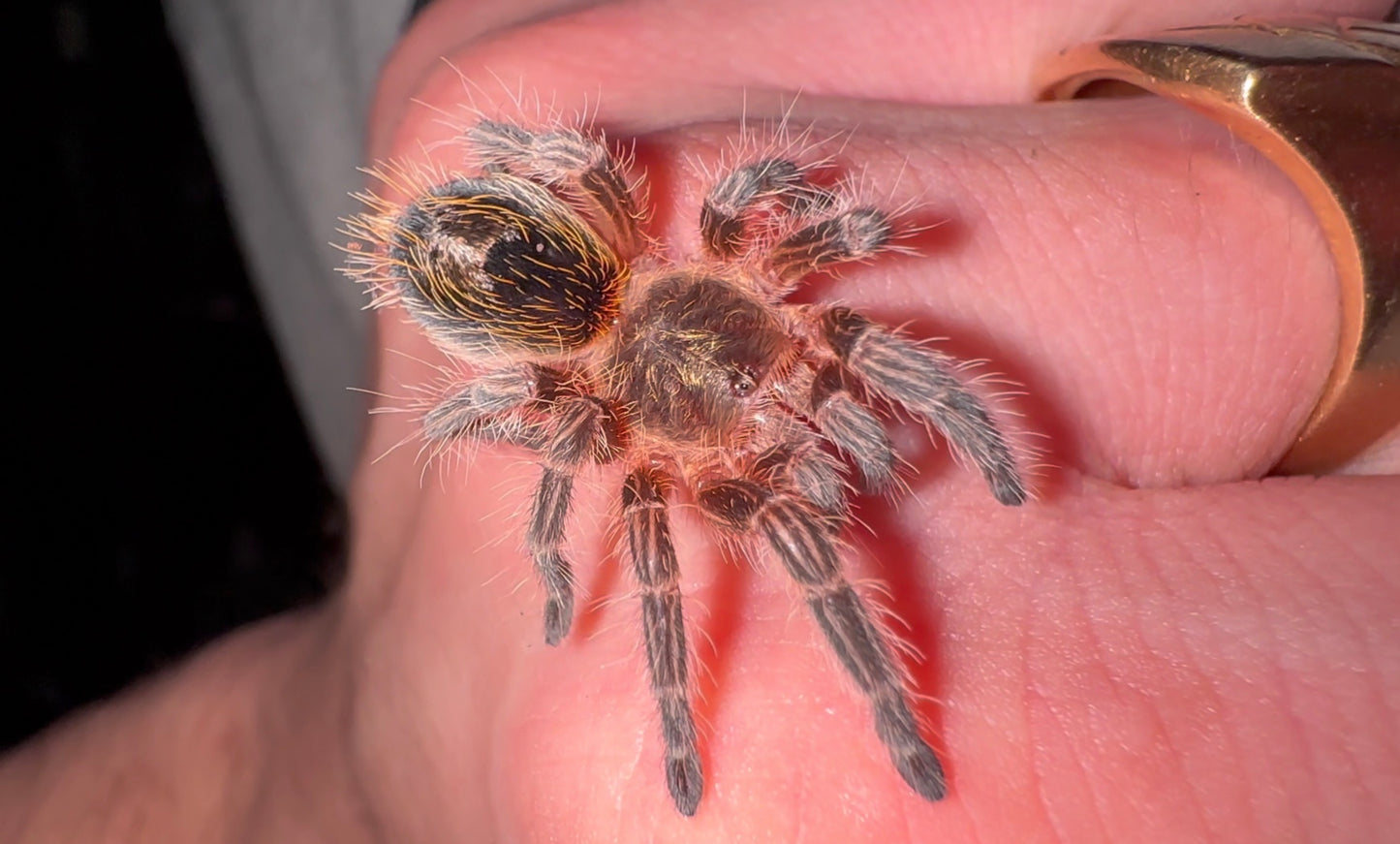
Personality is one of the biggest selling points with Condorito. Like practically every Euathlus I’ve worked with, these are extremely docile, curious, and tolerant of gentle handling. They’re much more likely to slowly investigate what’s happening around them than bolt or become defensive. Individual temperament can always vary, but my experience with this genus is exactly why I recommend them so highly to people looking for something calm and manageable.
A Tarantula That Actually Stays Out
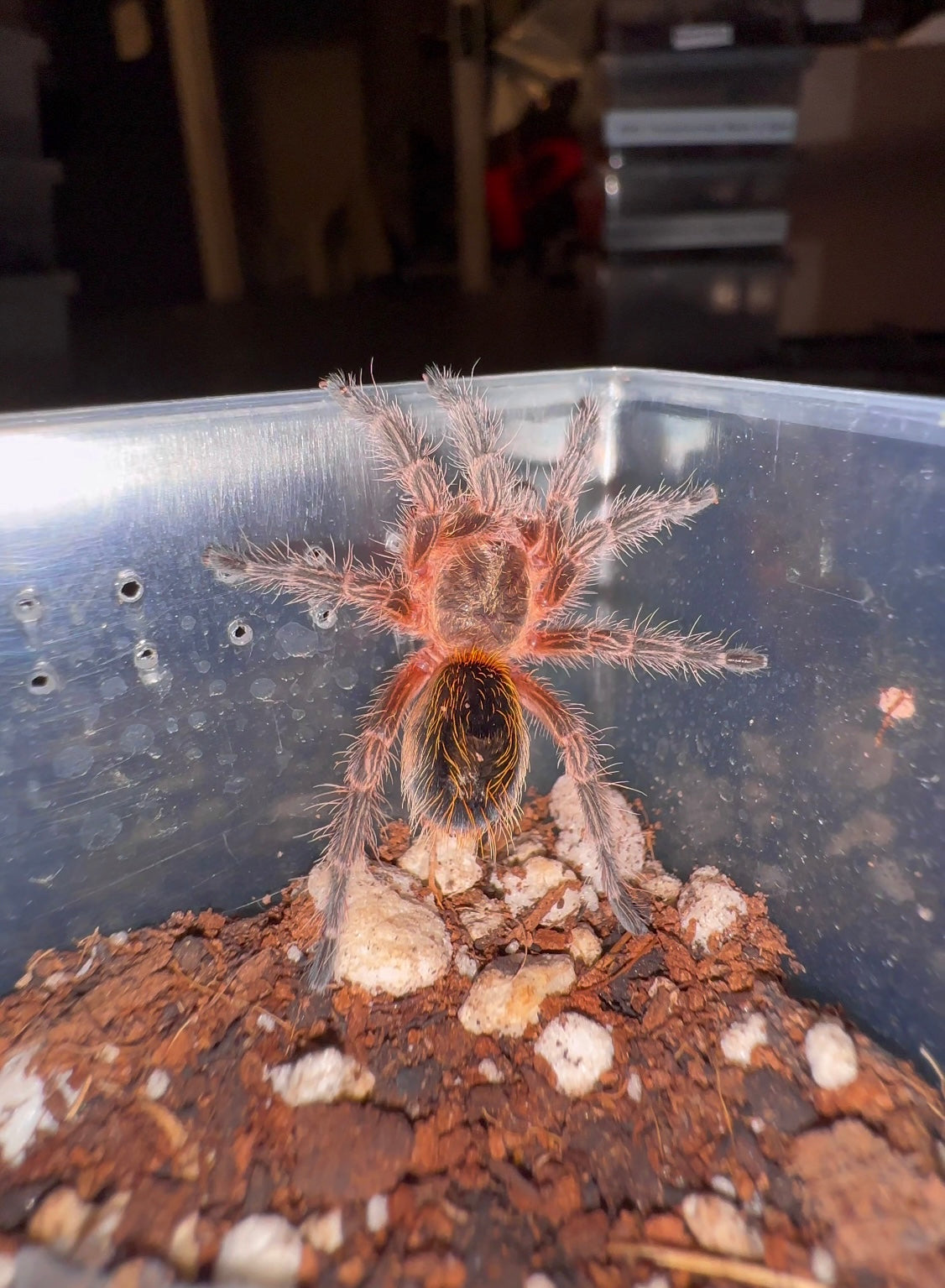
Another thing I love about Condorito is that you actually get to enjoy looking at it. Even younger specimens are comfortable spending time completely out in the open, and adults are fantastic display animals. They’re naturally curious and will regularly walk around and explore their enclosure rather than spending their entire lives hidden underground.
Hardy & Surprisingly Easy to Keep
Despite how rare they are, Condorito are incredibly straightforward to care for. Keep them cool and mostly dry, provide a clean water dish, and give them plenty of room to walk around. Temperatures anywhere from the low 60s through the mid-70s°F work well for my Euathlus. I also like adding low pieces of cork or branches because they’ll surprisingly use some vertical space when it’s offered. Mine spend so much time sitting out in the open that I don’t consider a traditional hide necessary.
Slow Growing — And That’s Part of What Makes Them Special
Like most Euathlus, Condorito are painfully slow growers. These aren’t tarantulas that turn from tiny slings into adults overnight. Raising one is a long-term project, and every molt feels like an accomplishment because you slowly get to watch the adult coloration and personality develop over the years. That extremely slow growth also makes established juveniles and females much harder to replace than similarly sized specimens from faster-growing genera.
Extremely Rare in the U.S. Hobby
Chilean Euathlus are some of the hardest tarantulas to replace once a bloodline disappears from American collections. Chile tightly regulates the capture and international trade of native wildlife, and Chilean authorities have specifically documented illegal trafficking involving native tarantulas, including Euathlus. That makes the animals already established in captive collections incredibly important. We’ve already watched certain Chilean tarantulas become increasingly difficult to find in the U.S. hobby, and once one of these Euathlus lines disappears, there’s no guarantee another import will simply replace it.
One of Those Species You Appreciate More With Time
Condorito isn’t about owning the biggest or fastest-growing tarantula. It’s almost the complete opposite. You’re getting a rare, slow-growing Chilean species with beautiful coloration, an incredibly relaxed personality, simple husbandry, and the potential to remain in your collection for many years. That’s exactly what makes these animals so special to me. The longer I work with Euathlus, the more I appreciate just how different they are from practically everything else in the hobby.