
Skip to product information
1 of 4

Westside Tarantulas

Cyriocosmus elegans - Trinidad Dwarf Tarantula - For Sale!

Cyriocosmus elegans - Trinidad Dwarf Tarantula - For Sale!

Regular price $350.00
Regular price Sale price $350.00
Sale Sold out
Shipping calculated at checkout.
Size and Sex

The Trinidad Dwarf Beauty (Cyriocosmus elegans)

Tiny Yet Dazzling

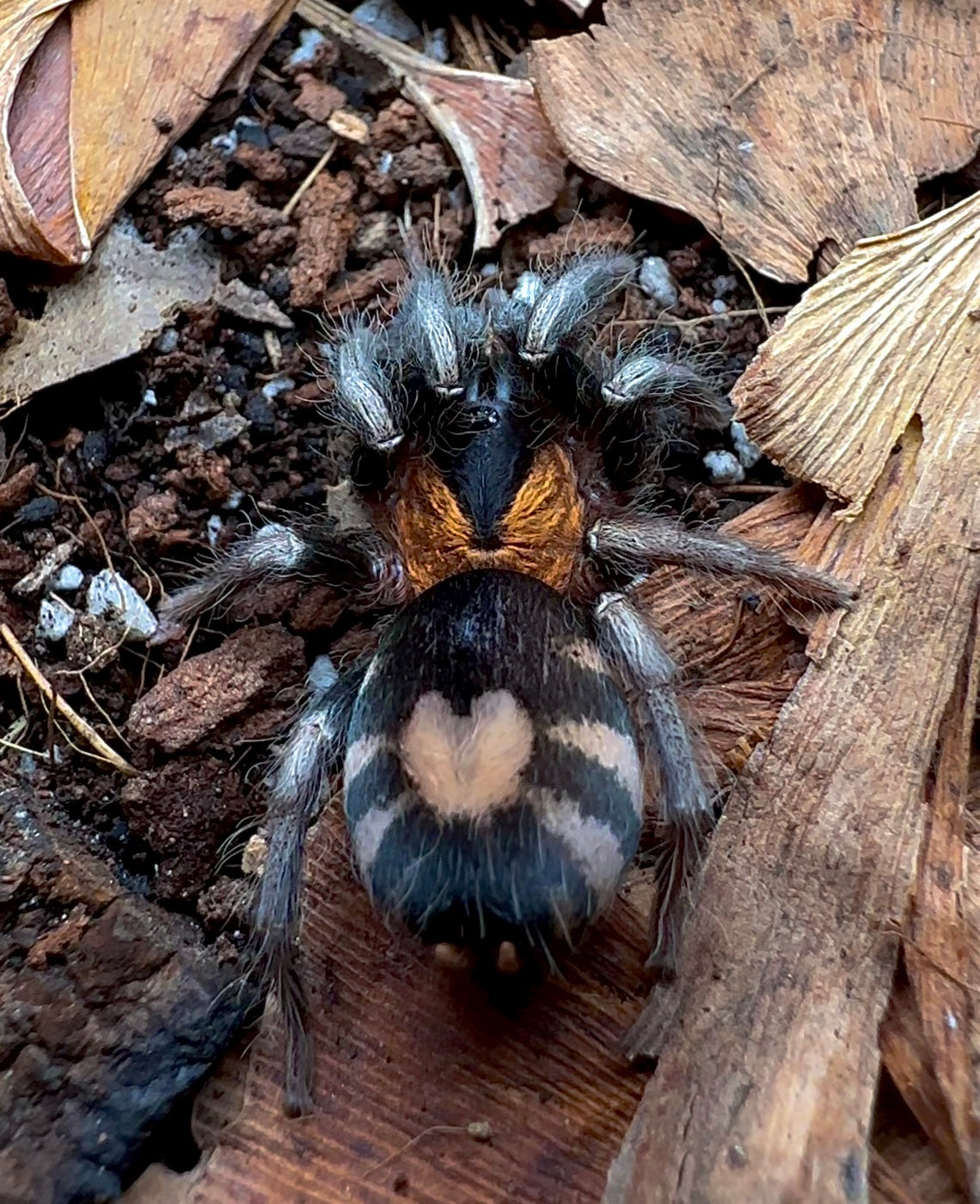
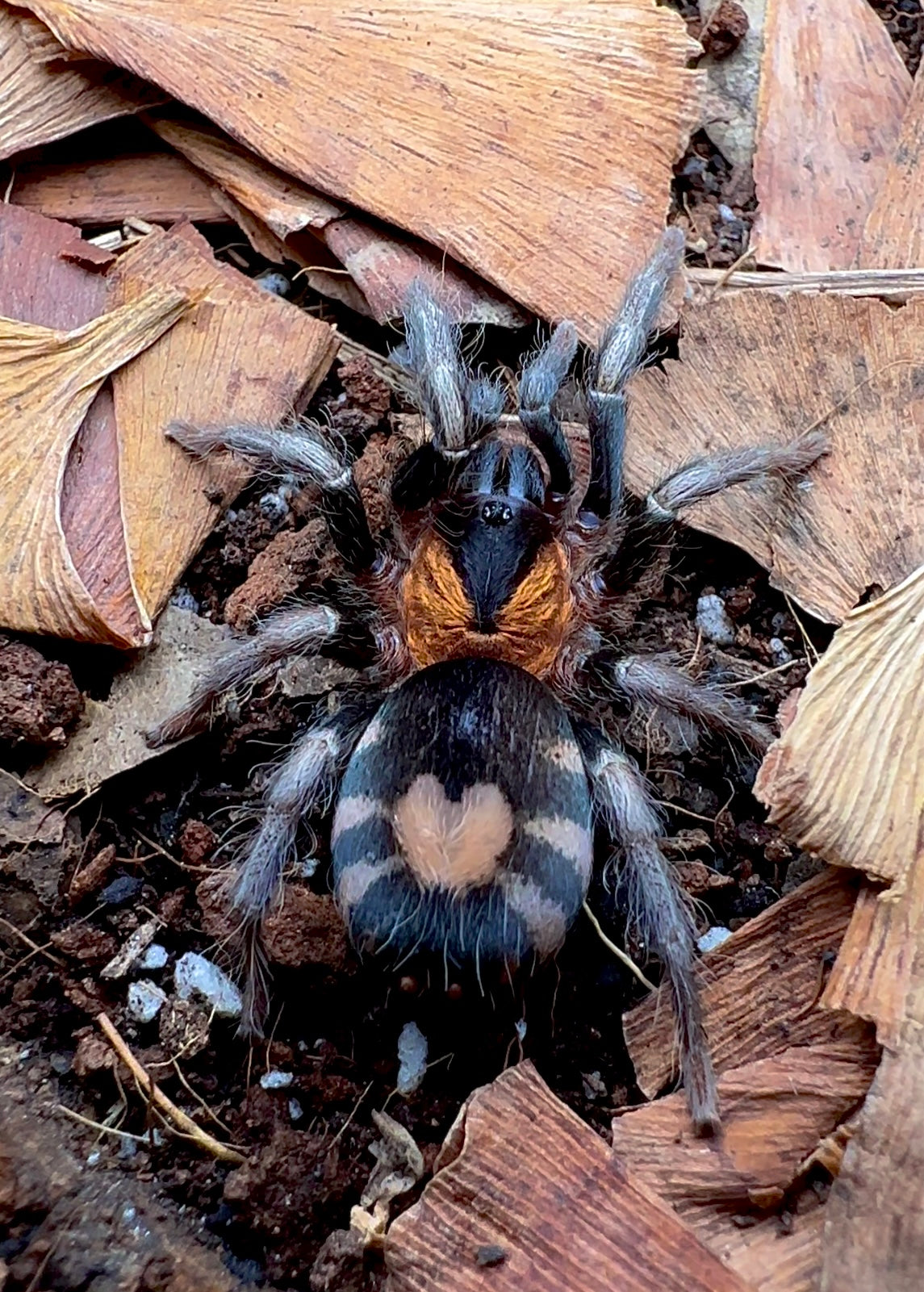
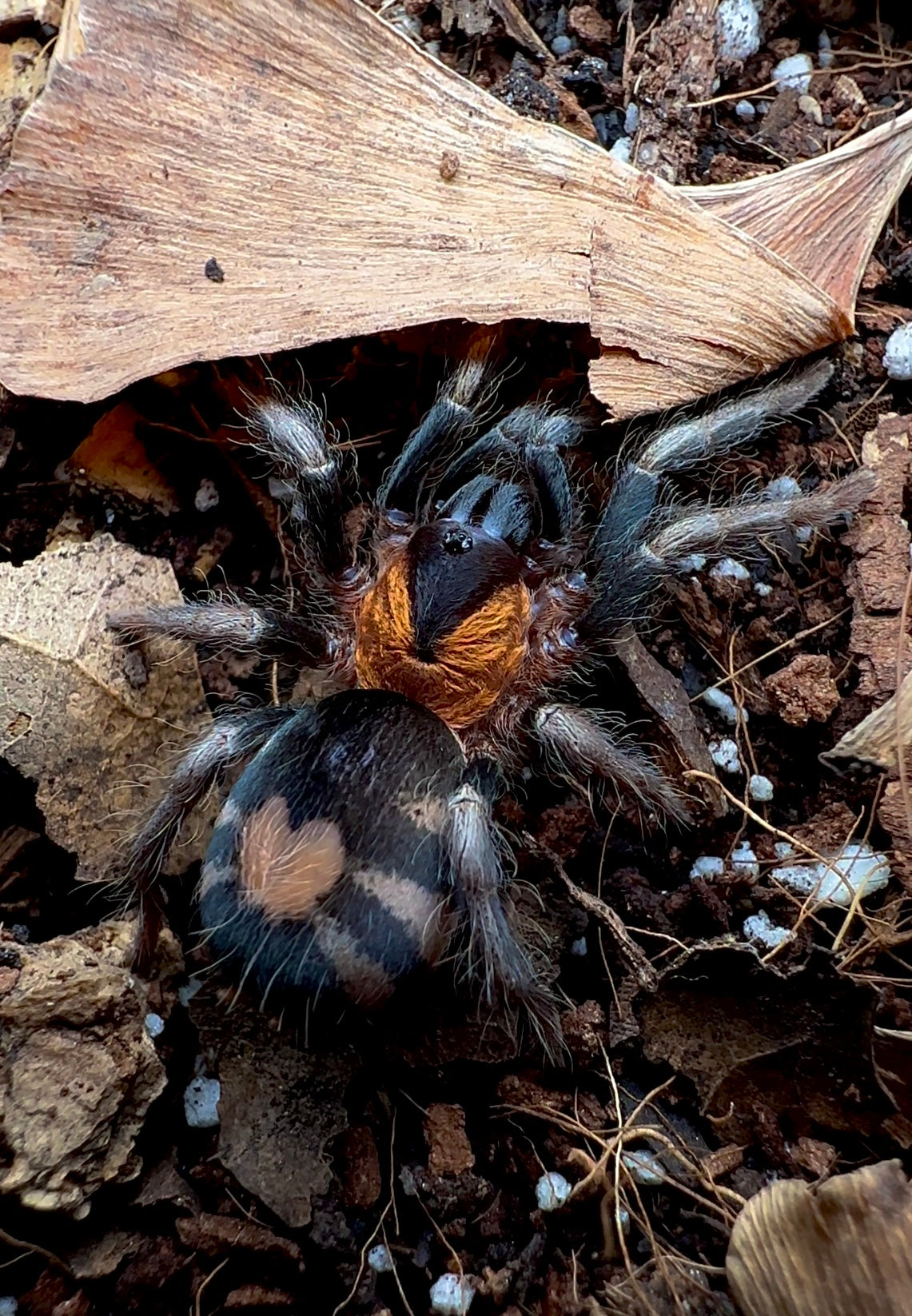
Introducing the Trinidad Dwarf Beauty (Cyriocosmus elegans), an extraordinary dwarf tarantula that proves big things really do come in small packages. Native to Trinidad and parts of Venezuela, this species maxes out at a mere 2 inches in diagonal leg span, yet boasts some of the most captivating patterns and colors in the entire tarantula hobby. Its jet-black base is decorated with snowy white “bone” striping on the legs, a bandit-like facial mask, and an electric orange heart-shaped marking across the abdomen, complete with striped tiger flanks—making it one of the most gothic and adorable tarantulas in the hobby.

Temperament & Personality

Don’t let its size fool you—this dwarf species has a huge personality. While many dwarf tarantulas are known for being shy or skittish, the Trinidad Dwarf Beauty is refreshingly confident. Often seen roaming its enclosure or perched calmly in plain view, this species rarely hides and never shows defensive behavior, making it an excellent pet for both seasoned collectors and curious beginners alike. Perfect for compact enclosures, Cyriocosmus elegans thrives in a simple terrestrial setup with lightly moist substrate and plenty of leaf litter or cork bark to explore. Their small size means they don’t require much space, and they’re voracious eaters, making feeding time fun and engaging. Best of all, they’re extremely hardy and low-maintenance—ideal for keepers who want a show-stopping species without the hassle.

Why You Need One

Whether you’re a fan of dwarfs, a sucker for wild color combos, or just want something that feels rare and magical—the Trinidad Dwarf Beauty is an absolute must-have. It’s bold, it’s beautiful, and it’s unlike anything else in your collection. With their limited availability and eye-catching appearance, they never last long on the market. Get your hands on one of the most unique tarantulas in the entire hobby—before they disappear again!

View full details
WESTSIDE TARANTULAS

Species Profile

Everything You Need To Know At A Glance.
Experience Level
Beginner
Temperament
Docile & Shy
Type
Terrestrial / New World / Dwarf
DLS
Adult Size
1.5–2” DLS
Country of Origin
Trinidad & Tobago
Life Span
♀10–12+ Years

Care & Husbandry Guide

🏠 Enclosure & Substrate

A small terrestrial enclosure with 2–3 inches of compactable substrate works well, and even adults require very little space compared with most tarantulas. Add a small piece of cork bark or another starter hide and they will often excavate underneath it. Their dwarf size makes them perfect for keepers with limited space, but make sure ventilation holes and lid gaps are small enough that tiny slings cannot escape.

🌡️ Temperature & Humidity

Keep this species around 72–78°F with moderate moisture and good ventilation. Allow the upper layer of substrate to begin drying between waterings while keeping some moisture available deeper down. They don’t need a swampy enclosure, but shouldn’t be kept completely bone dry either. The goal is slightly moist substrate without stagnant conditions.

 🍽️ Feeding & Water 

Slings can be offered small or pre-killed prey 1–2 times per week, while larger juveniles and adults do well with small crickets or roaches about once a week. Because of their tiny size, avoid oversized prey. Keep a small water dish available for larger specimens, while slings can be hydrated by lightly moistening one section of substrate and leaving small droplets along the enclosure wall.

🕷️ Species-Specific Care 

Cyriocosmus elegans is a tiny, colorful terrestrial that’s surprisingly easy to care for once established. They appreciate slightly more moisture than many dry terrestrial species, along with good ventilation and enough substrate to dig and create a small burrow. Despite their miniature size, they’re active little tarantulas and can become surprisingly visible once comfortable in their enclosure.