
Skip to product information
1 of 2

Westside Tarantulas

Davus pentaloris - Mexican Tiger Rump Tarantula - For Sale!

Davus pentaloris - Mexican Tiger Rump Tarantula - For Sale!

Regular price $89.00
Regular price Sale price $89.00
Sale Sold out
Shipping calculated at checkout.
Size and Sex

The Mexican Tiger Rump (Davus pentaloris) 

The rarest, most vibrant bloodline of Davus pentaloris on the market!

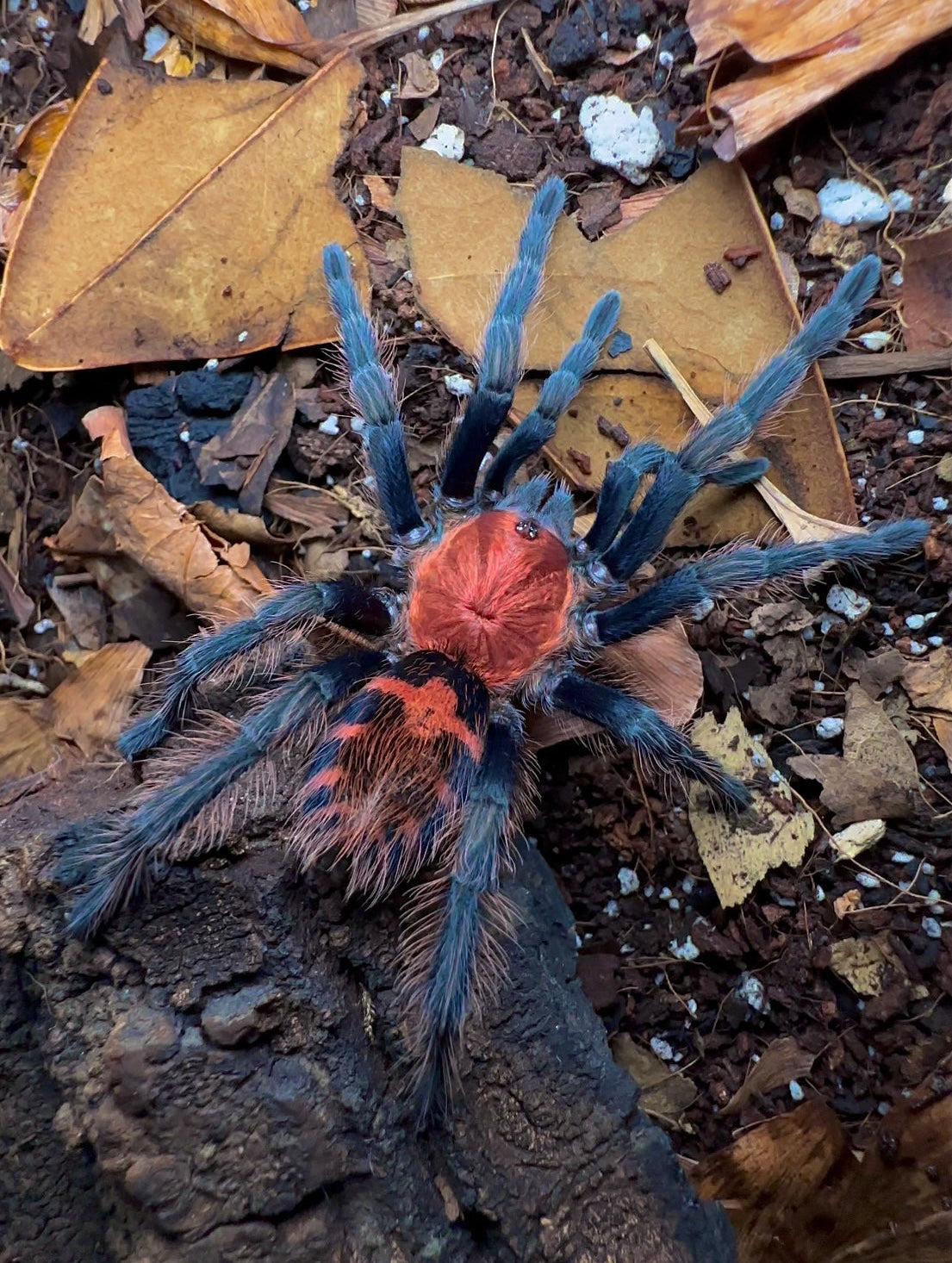
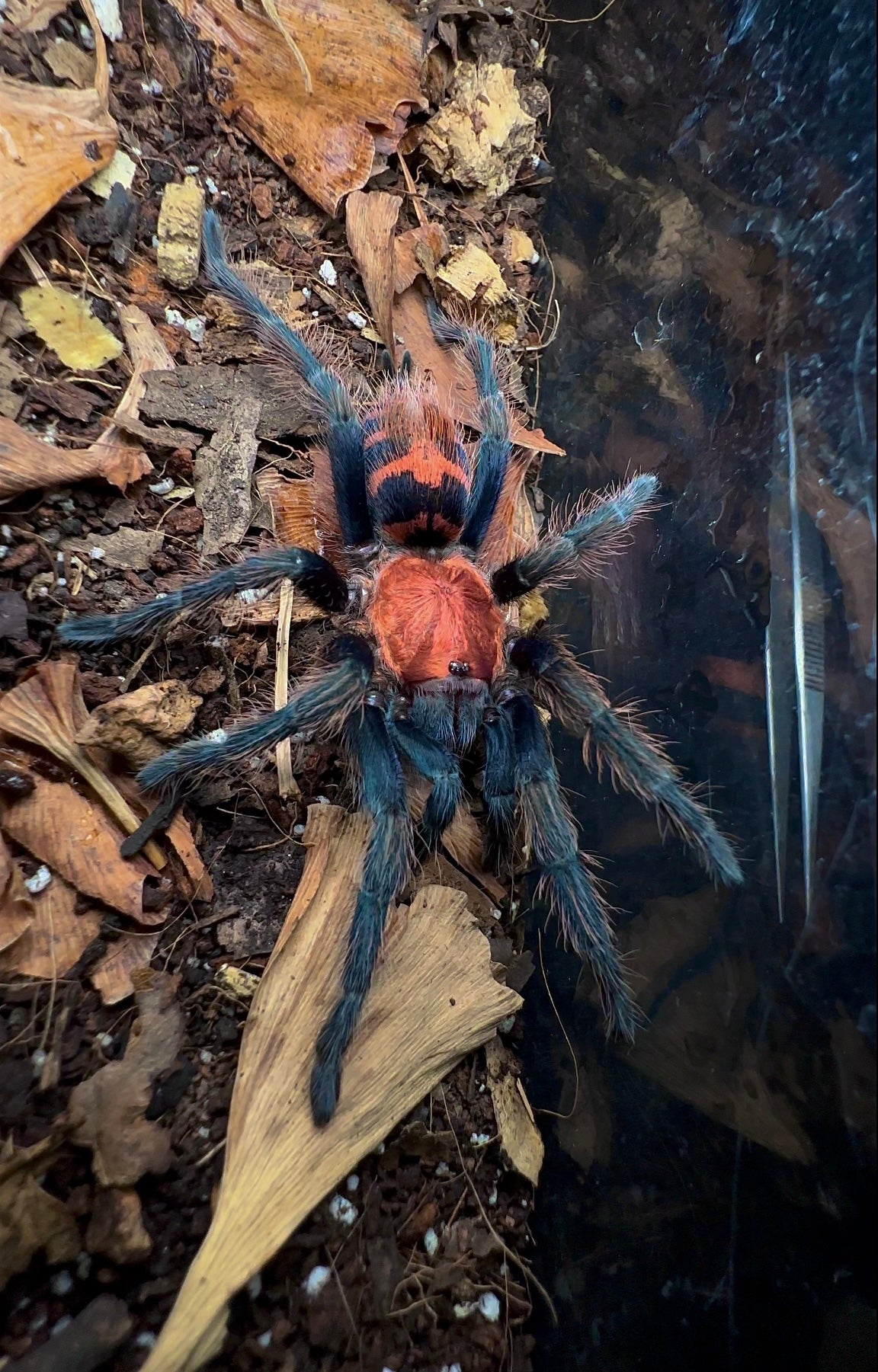
This isn’t your average Tiger Rump. The Mexican Tiger Rump (Davus pentaloris) is the most vibrant and visually stunning variant of the species. From its electric-blue legs to the fiery-red carapace and its unmistakable black-and-orange “flameburst” abdominal pattern, this tarantula looks like it was designed by nature to outshine every other dwarf terrestrial species in your collection.

True Mexican Heritage

Unlike the more commonly available Guatemalan lines, this specific bloodline traces back to Mexican origins—where exportation has now been halted. This means what’s already in the U.S. hobby is all we’ve got to work with. These Mexican Davus pentaloris show more vivid blue and red tones and are in extremely limited supply. If you’re hunting for a Tiger Rump that turns heads, this is the one!

A Must-Have for Collectors

The Mexican Tiger Rump is a moderately sized terrestrial species, maxing out around 4.5 inches in leg span. It’s known for its boldness and visibility—often staying out in the open rather than hiding. They’re active, exciting to feed, and don’t require complex setups, making them both a great starter species and an eye-catching showpiece for experienced keepers. This species thrives in a simple terrestrial setup with moderate humidity and proper ventilation. A substrate mix with dry and slightly moist zones is ideal. Feed her one or two large crickets a week and enjoy watching her pounce on prey like a mini jungle cat. If you’re serious about owning one of the most stricking Davus species Mexico has to offer The Mexican Tiger Rump should be at the top of your list. With Mexican imports shut down, this is a limited-time opportunity to secure one of the rarest and most desirable Davus pentaloris variants in the U.S. hobby.

View full details
WESTSIDE TARANTULAS

Species Profile

Everything You Need To Know At A Glance.
Experience Level
Beginner
Temperament
Skittish & Generally Non-Defensive
Type
Terrestrial / New World
DLS
Adult Size
4+” DLS
Country of Origin
Mexico / Guatemala
Life Span
♀10–15+ Years

Care & Husbandry Guide

🏠 Enclosure & Substrate

Use a terrestrial enclosure with around 3–4 inches of compactable substrate, along with cork bark or another secure starter hide. D. pentaloris will often dig underneath its hide and may incorporate webbing around the entrance. Keep climbing height relatively low and give the tarantula more usable floor space than vertical space.

🌡️ Temperature & Humidity

Keep this species around 72–78°F with moderate moisture and good ventilation. Allow the surface of the substrate to partially dry while maintaining some moisture in the lower layers, especially for younger specimens. They don’t require extremely high humidity, so avoid constantly saturated substrate or stagnant conditions.

 🍽️ Feeding & Water 

Mexican Tiger Rumps are enthusiastic eaters and grow quickly with regular feeding. Slings and juveniles can be offered appropriately sized crickets or roaches 1–2 times per week, while adults usually do well feeding about once a week. Keep a clean water dish available to larger specimens and adjust feeding based on abdomen size and appetite.

🕷️ Species-Specific Care 

Davus pentaloris are hardy, fast-growing terrestrial tarantulas that are relatively easy to care for. They appreciate several inches of substrate for digging, a secure hide, and slightly more moisture than many of the drier Mexican species. They can be quick and a little skittish when disturbed, but are generally more interested in retreating than standing their ground. Once established, they make active and colorful display tarantulas.Davus pentaloris are hardy, fast-growing terrestrial tarantulas that are relatively easy to care for. They appreciate several inches of substrate for digging, a secure hide, and slightly more moisture than many of the drier Mexican species. They can be quick and a little skittish when disturbed, but are generally more interested in retreating than standing their ground. Once established, they make active and colorful display tarantulas.