
Skip to product information
1 of 4

Westside Tarantulas

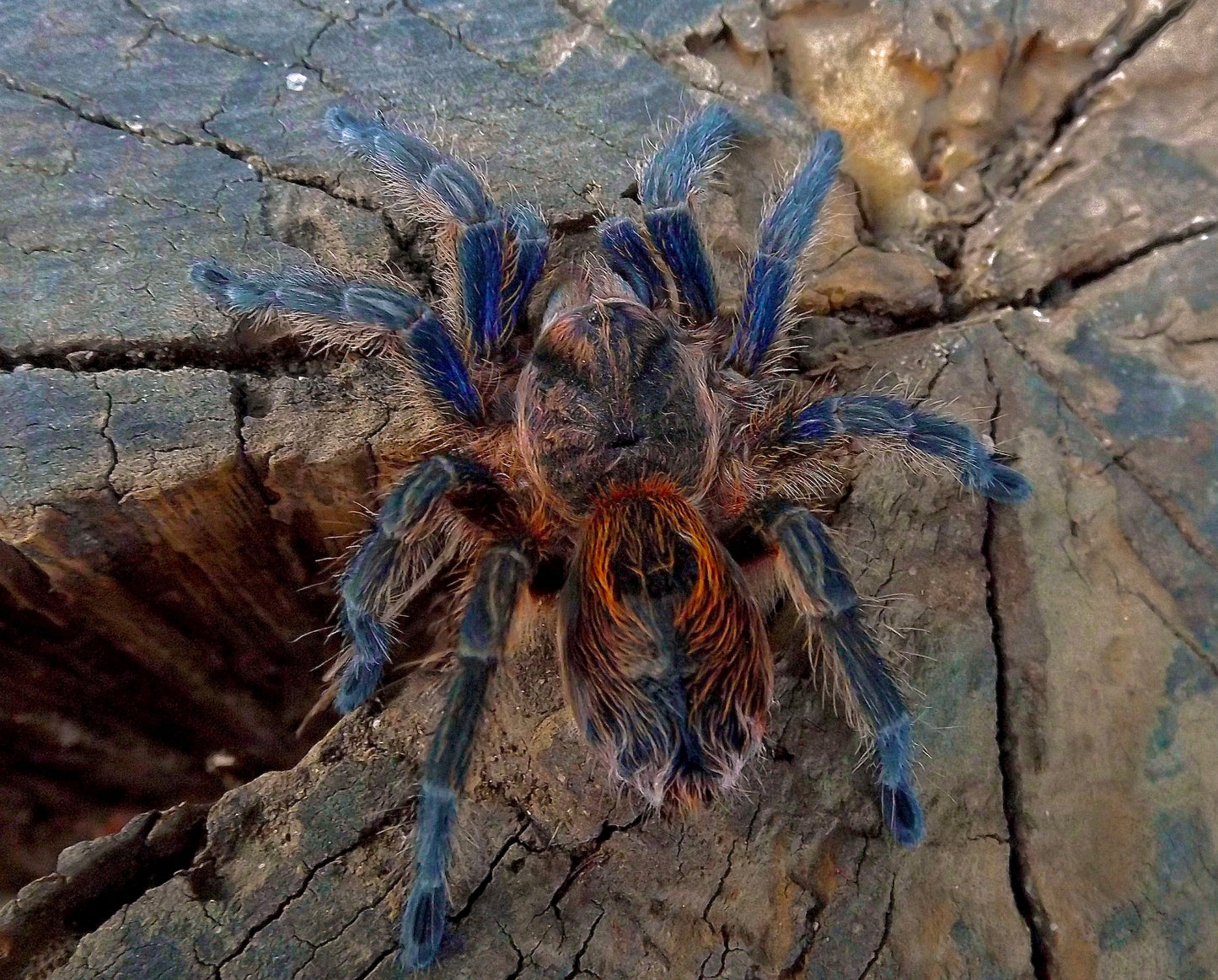
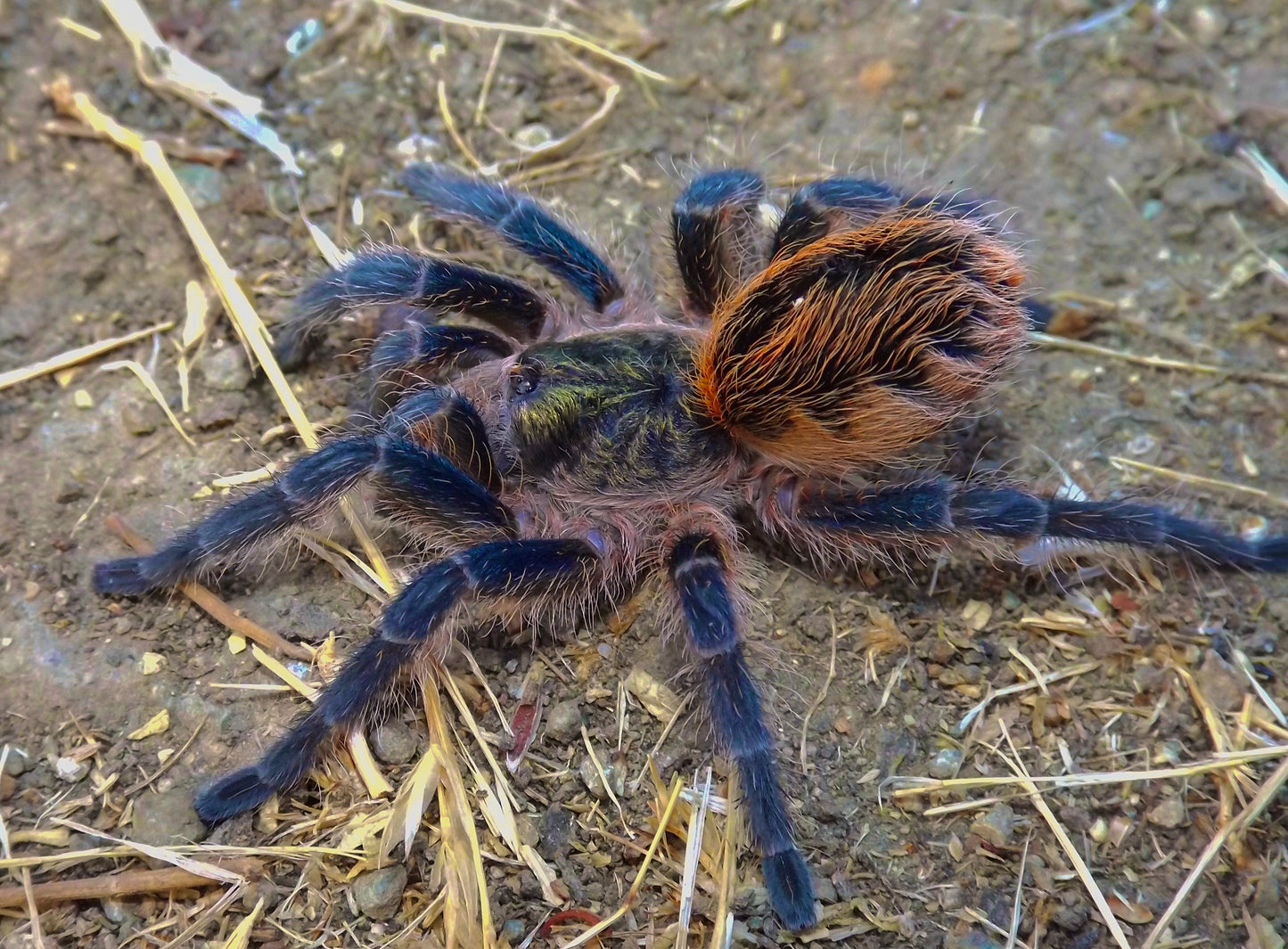
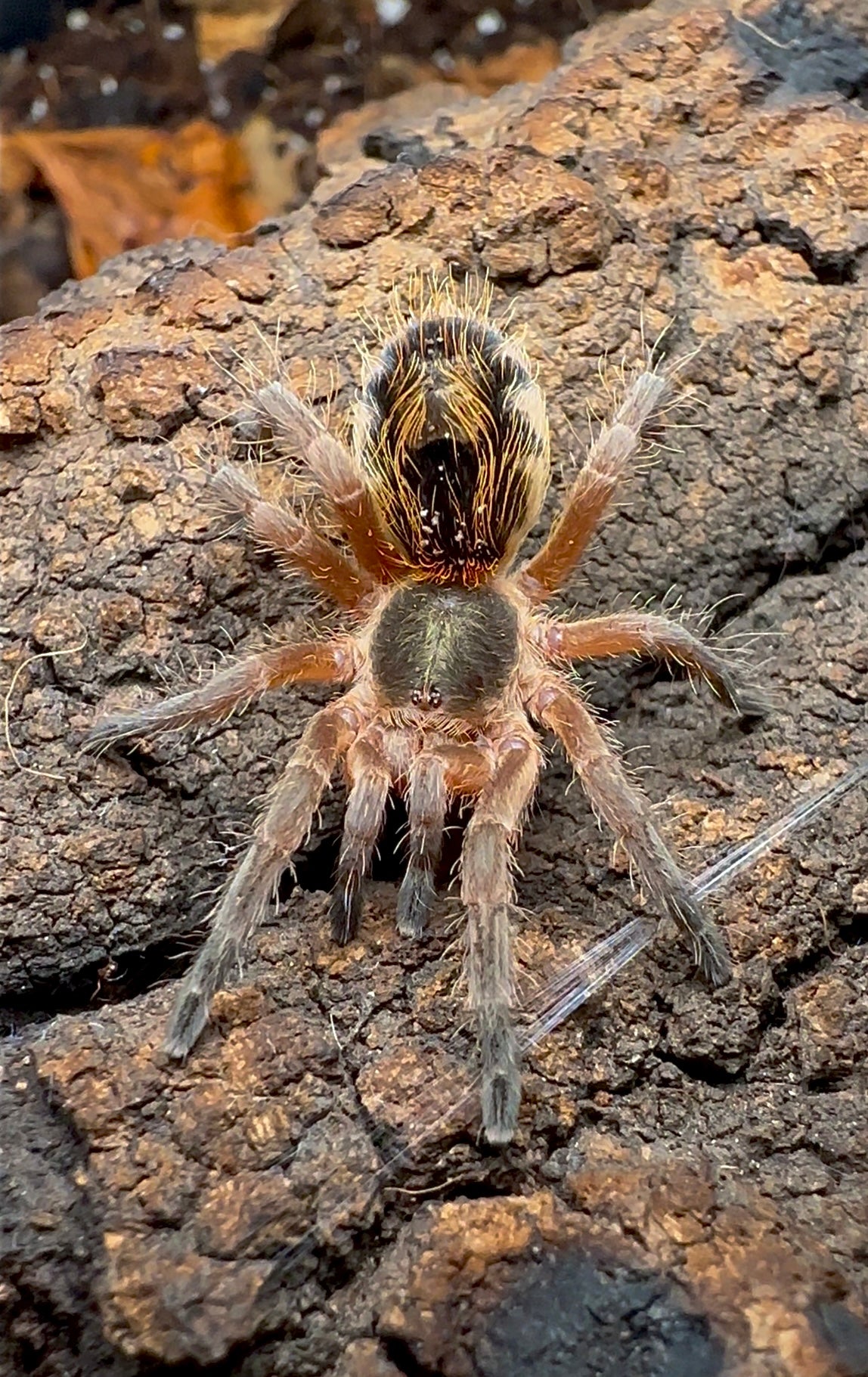
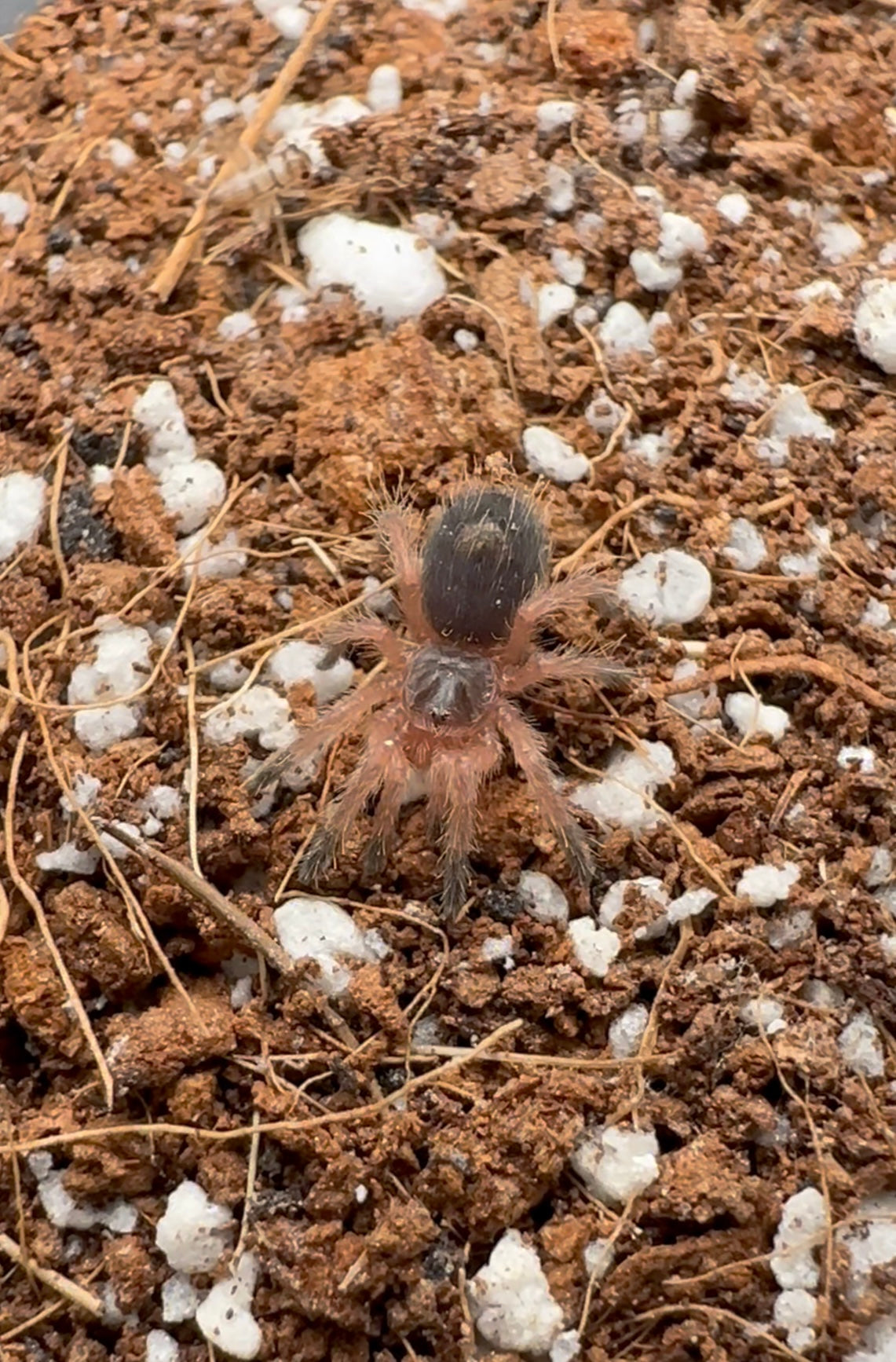
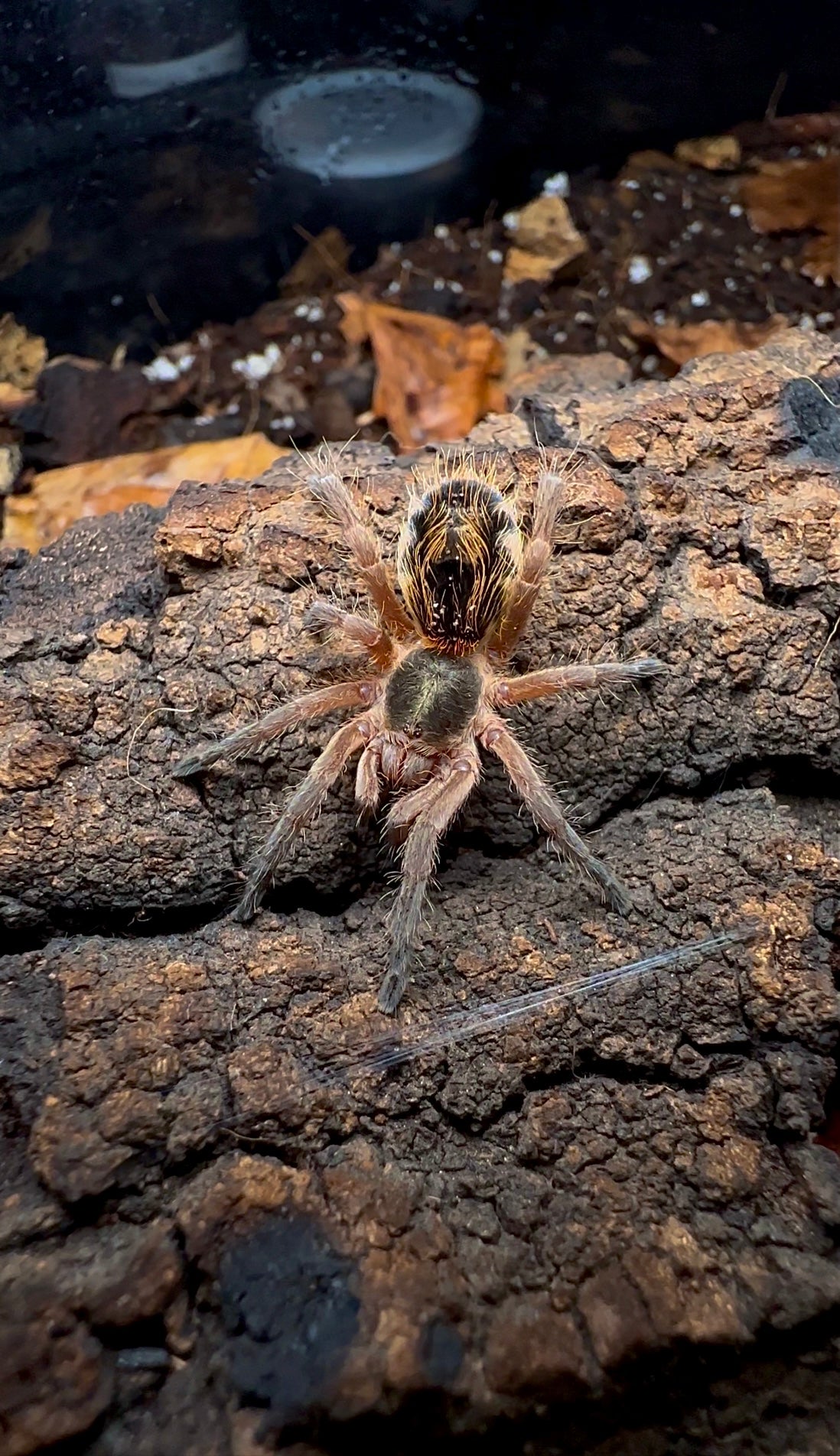
Euathlus sp. Tiger Azul - Chilean Twilight Tiger - Female For Sale

Euathlus sp. Tiger Azul - Chilean Twilight Tiger - Female For Sale

Regular price $500.00
Regular price Sale price $500.00
Sale Sold out
Shipping calculated at checkout.
Size and Sex

Chilean Twilight Tiger (Euathlus sp. Tiger Azul) 

A Pocket-Sized Powerhouse with Striking Stripes

The Chilean Twilight Tiger, one of the rarest and most charming tarantulas in the entire hobby! Hailing from the high-altitude deserts of Chile, this extremely limited species is revered for its mesmerizing purplish-blue legs, lazy movements, and its bold orange “tiger-striped” abdomen that practically glows against its body. Reaching a dainty 3.5 to 4 inches in diagonal leg span, this dwarf species may be small—but it more than makes up for it with its color, character, and sheer rarity.

Docile, Durable, and Downright Adorable

What sets the Chilean Twilight Tiger (Euathlus sp. Tiger Azul) apart from nearly every other dwarf species is its laid-back, almost sluggish personality. This tarantula moves as if it’s been lounging in the sun all day—calm, unbothered, and incredibly tolerant of handling. Despite its slow-motion demeanor, it packs a hearty appetite and isn’t shy about taking down prey. It’s a perfect beginner species for anyone looking for a non-intimidating tarantula with gorgeous looks and laidback personality.

Practically Non-Existent! 

Due to its remote natural habitat in the high elevation deserts of Chile, this species is almost nonexistent in the U.S. hobby. What makes it even more unique is its slow metabolism and growth rate—sometimes refusing food for months without any issue. These quirks, combined with its ability to tolerate dry conditions and survive long periods without food or water, make it one of the hardiest tarantulas on the planet. But don’t worry—in captivity, it thrives with regular care and attention, and can live for well over 30 years! With that being said, the Chilean Twilight Tiger isn’t just another tarantula—it’s a living relic of Chile’s wild landscapes. With its manageable size, endearing behavior, and jaw-dropping appearance, this is a must-have for collectors who want something truly different. Don’t miss the chance to add one of the rarest and most relaxed tarantulas in the world to your collection.

View full details
WESTSIDE TARANTULAS

Species Profile

Everything You Need To Know At A Glance.
Experience Level
Beginner
Temperament
Extremely Docile, Curious & Tolerant of Handling
Type
Terrestrial / New World
DLS
Adult Size
4” DLS
Country of Origin
Chile - (Coquimbo Region)
Life Span
♀20+ Years

Care & Husbandry Guide

🏠 Enclosure & Substrate

Provide a terrestrial enclosure with a few inches of mostly dry substrate and plenty of open floor space. Tiger Azul are naturally curious and love exploring, so I prefer giving them more room than their size would normally require. They’ll also use low cork, branches, and a little vertical space when offered. Mine spend so much time sitting out in the open that I don’t consider a traditional hide necessary.

🌡️ Temperature & Humidity

Keep this species cool and mostly dry, with temperatures from the low 60s to mid-70s°F working well. Keep the substrate predominantly dry with good ventilation and provide a water dish for hydration. Avoid overly warm, wet, or stagnant conditions—Tiger Azul doesn’t require tropical humidity.

 🍽️ Feeding & Water 

Tiger Azul are reliable eaters but grow extremely slowly, so they don’t require heavy feeding. Growing specimens can be offered an appropriately sized cricket or roach about once a week, while larger females can be fed every 7–14 days depending on body condition. Always provide a clean water dish, and don’t be concerned by occasional periods of fasting, especially before a molt.

🕷️ Species-Specific Care 

Tiger Azul are hardy, easy to care for, and have that classic Euathlus personality. Think of them almost like a smaller, more colorful, and even more curious Grammostola. They prefer a cool, mostly dry terrestrial setup with plenty of room to walk around and explore. Mine are extremely calm and regularly sit completely out in the open, making this a rare collector species you actually get to see and enjoy.