
Skip to product information
1 of 2

Westside Tarantulas

Grammostola alticeps - Brazilian Bloody Black - Extremely Rare - For Sale

Grammostola alticeps - Brazilian Bloody Black - Extremely Rare - For Sale

Regular price $715.00
Regular price Sale price $715.00
Sale Sold out
Shipping calculated at checkout.
Size and Sex

The Brazilian Bloody Black (Grammostola alticeps) 

A Gothic Twist on a Legendary Classic

If you love the calm, docile personality of the Brazilian Black (Grammostola pulchra) but crave something darker… edgier… and far rarer? Meet Grammostola alticeps, the Brazilian Bloody Black. Native to Brazil and extending into parts of the Gran Chaco region, this stocky, powerhouse terrestrial carries the same slow-growing, long-living, hardy and ultra-docile temperament that made G. pulchra a global icon. However, where pulchra is sleek and uniformly jet black, G. alticeps looks like someone gave a Brazilian Black a punk rock makeover.

A Bulked-Up, Blood-Soaked Beauty

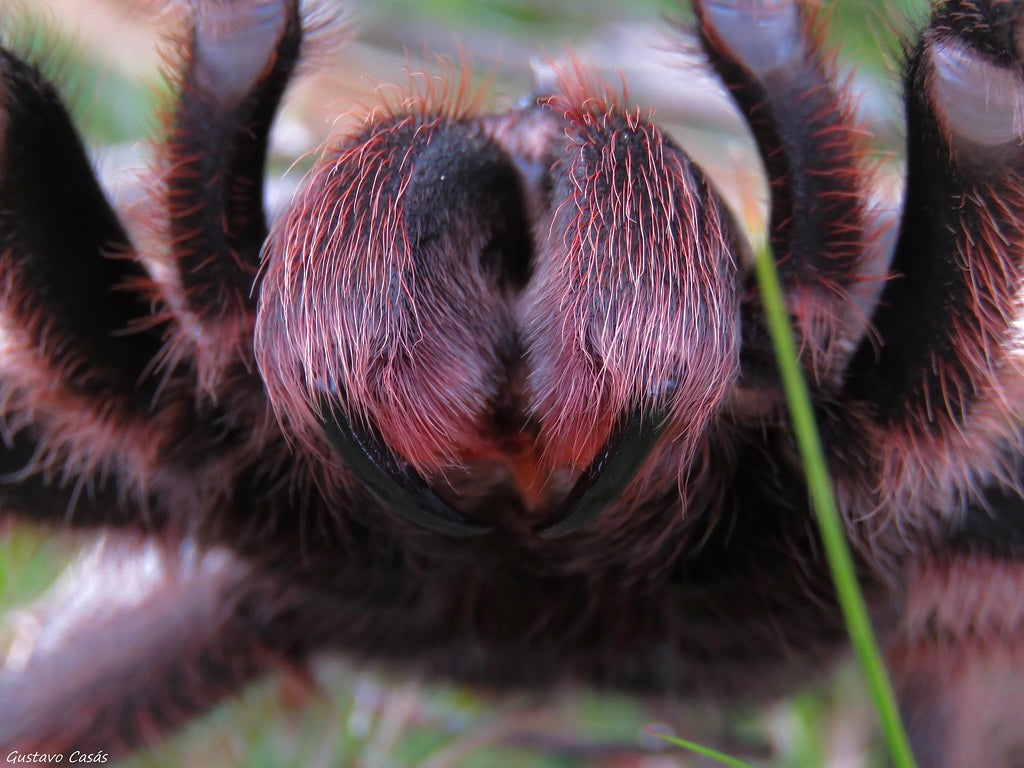
Grammostola alticeps is thick-bodied, robust, and imposing, Displaying a dense matte-black base coloration that absorbs light like velvet. But what truly sets it apart are the bloody red hairs that glow from the underside and along its legs, creating a dramatic contrast that gives this spider an almost gothic, battle-worn aesthetic. It legitimately resembles embers glowing beneath coal. Almost as if Grammostola pulchra was given an emo hair due! At maturity, females reach an impressive 6+ inches in diagonal leg span, developing into a heavy-set, commanding display specimen that looks every bit as intimidating as it is gentle. (So not G. pulchra massive) but still a heavy bodied, robust bird-eater! 

Rarity & Availability

Here’s the reality: Grammostola alticeps is rarely available in the U.S. hobby.

Unlike G. pulchra, which has established itself into the hobby for many years, Grammostola alticeps surfaces once every blue moon. Import restrictions, slow growth rates, and limited captive production make this species extremely difficult to source, especially, well-started captive bred individuals. This is not a species you see popping up every few months. It’s one of those tarantulas that quietly disappears into private collections… and stays there.

⚫ Why You Want the Brazilian Bloody Black?

  • Same Docile Temperament as G. pulchra
  • Striking Black and Bloody-red contrast
  • Extremely slow growing and long lived
  • Rarely offered in the U.S.
  • Hardy & Easy to Care for!

If the Brazilian Black is the elegant classic… Grammostola alticeps is the gothic remix. For collectors who appreciate the Grammostola genus (tarantulas that age like fine wine) The Brazilian Bloody Black is a must have centerpiece. Opportunities to own this species don’t come around often.

View full details
WESTSIDE TARANTULAS

Species Profile

Everything You Need To Know At A Glance.
Experience Level
Beginner
Temperament
Extremely Docile, Curious & Tolerant of Handling
Type
Terrestrial / New World
DLS
Adult Size
5–6” DLS
Country of Origin
Brazil
Life Span
♀ 25–30+ Years

Care & Husbandry Guide

🏠 Enclosure & Substrate

Provide a terrestrial enclosure with a few inches of compactable substrate and plenty of usable floor space. A cork-bark hide can be offered, although established specimens may spend much of their time sitting completely out in the open. Keep excessive climbing height low since Grammostola are heavy-bodied terrestrial tarantulas.

🌡️ Temperature & Humidity

Keep this species around 68–76°F with mostly dry conditions and good ventilation. Established specimens don’t require high humidity and generally do best with dry substrate and constant access to fresh water. Smaller slings can be kept slightly more moist while establishing, but avoid wet or stagnant conditions.

 🍽️ Feeding & Water 

Bloody Blacks are reliable eaters but have a slow metabolism, so they don’t require heavy feeding. Growing specimens can be offered an appropriately sized cricket or roach about once a week, while larger animals can be fed every 7–14 days depending on body condition. Keep a clean water dish available at all times. Extended periods of fasting aren’t unusual with Grammostola, especially before a molt.

🕷️ Species-Specific Care 

Grammostola alticeps are extremely hardy, docile, and easy to care for. They thrive in a simple terrestrial setup with mostly dry substrate, a water dish, and plenty of room to move around. Like most Grammostola, they’re slow-growing, long-lived tarantulas that spend plenty of time sitting out in the open. Their easy care and relaxed personality make them an awesome choice for beginners despite how rare they are.Grammostola alticeps are extremely hardy, docile, and easy to care for. They thrive in a simple terrestrial setup with mostly dry substrate, a water dish, and plenty of room to move around. Like most Grammostola, they’re slow-growing, long-lived tarantulas that spend plenty of time sitting out in the open. Their easy care and relaxed personality make them an awesome choice for beginners despite how rare they are.