
Skip to product information
1 of 2

Westside Tarantulas

Grammostola anthracina – Tawny Red Bird Eater - 1.1 Pair For Sale!

Grammostola anthracina – Tawny Red Bird Eater - 1.1 Pair For Sale!

Regular price $450.00
Regular price Sale price $450.00
Sale Sold out
Shipping calculated at checkout.

Grammostola anthracina – Tawny Red Bird Eater

A Hidden Giant Among Grammostolas!

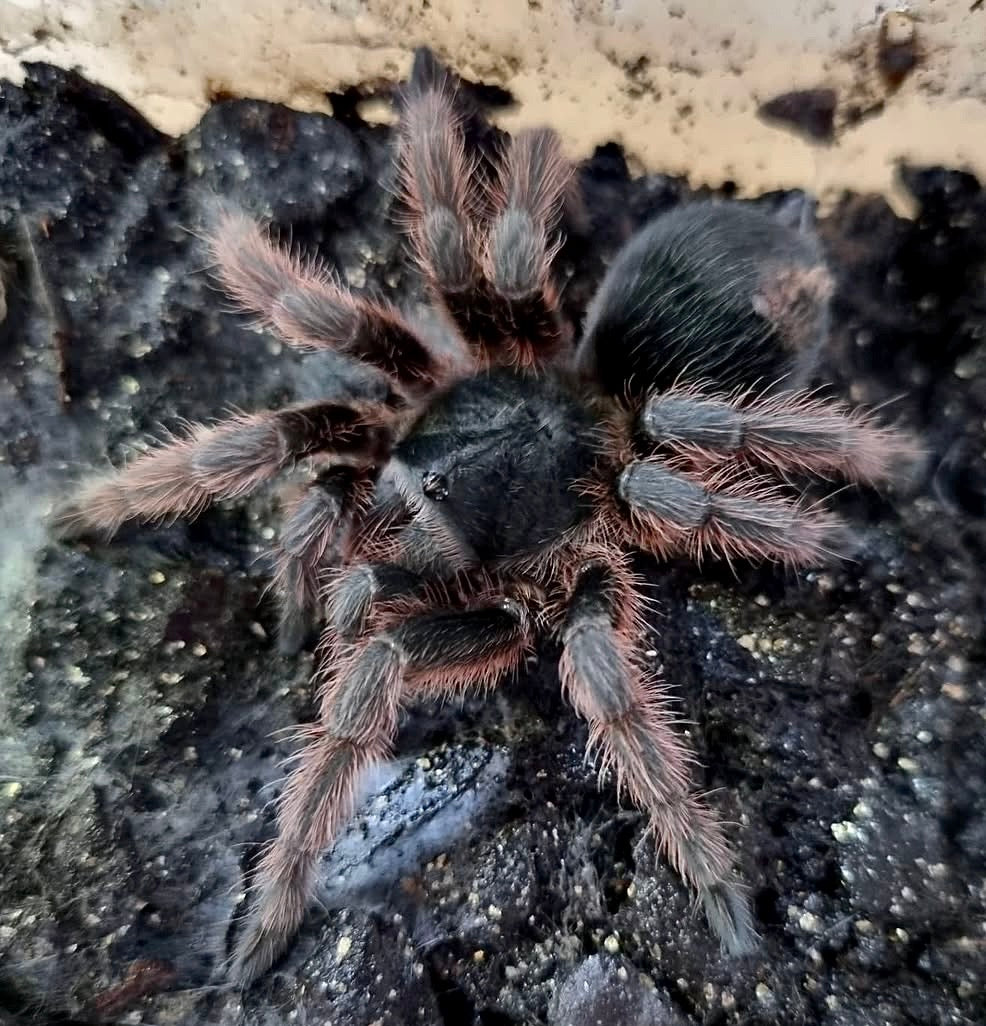
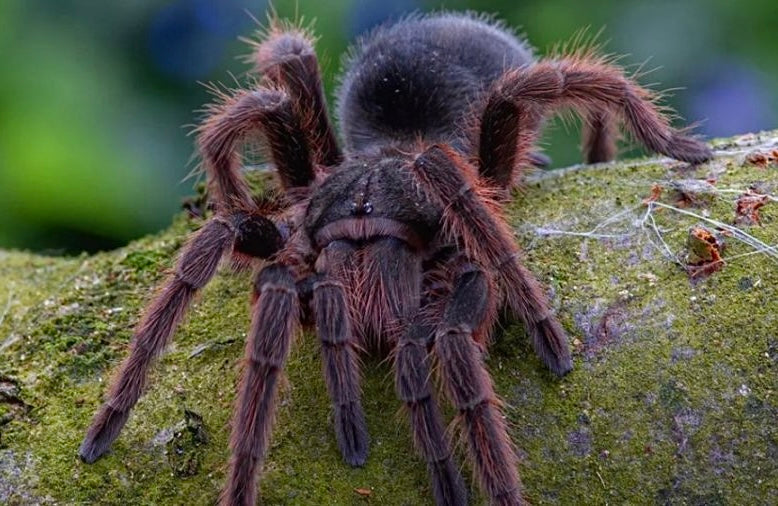
When people think of giant South American tarantulas, species like the Chaco Golden Knee or Brazilian Black usually steal the spotlight… but those in the know understand that Grammostola anthracina, the Tawny Red Bird Eater, is one of the genus’ best-kept secrets. Native to the grasslands of Uruguay, southern Brazil, and Argentina, this impressive species combines everything collectors love about the Grammostola genus—slow, deliberate movements, incredible longevity, massive size, and an incredibly calm personality—with one feature that immediately sets it apart: its rich tawny-red coloration. As this species matures, deep mahogany, rust-red, and burgundy tones begin to spread across its legs and body, giving it a warm, earthy appearance unlike almost any other Bird Eater in the hobby. If you’re looking for a species that’s both uncommon and absolutely breathtaking, the Tawny Red Bird Eater is one you’ll appreciate more with every molt.

Built Like a Giant… Temperament of a Puppy!

One of the reasons the Tawny Red Bird Eater has developed such a loyal following is because it perfectly represents everything hobbyists love about Grammostola. These spiders are famously slow-moving, predictable, and exceptionally tolerant, making them one of the easiest large tarantulas to work with. Unlike many giant species that rely on speed or attitude, this species prefers to calmly assess its surroundings and rarely feels the need to stand its ground. Combine that laid-back personality with a massive adult size and beautiful coloration, and it’s easy to understand why experienced keepers consider this one of the most underrated display tarantulas available today.

A Living Piece of South America

Native to the open grasslands and rolling plains of southern South America, the Tawny Red Bird Eater has evolved into an incredibly hardy species capable of tolerating long dry periods and fluctuating temperatures. Like most Grammostolas, they grow slowly—but that slow pace rewards patient keepers with a tarantula capable of living for decades. Every molt brings richer reds, darker earth tones, and an even more impressive overall appearance, transforming juveniles into truly magnificent adults that only become more valuable and beautiful with age.

The Perfect Giant for Beginner Keepers

If your dream is owning a large Bird Eater but you don’t want the speed or attitude that often comes with larger tropical species, it’s hard to find a better option than Grammostola anthracina. This species is forgiving, incredibly durable, tolerant of beginner mistakes, and perfectly suited for anyone wanting their first showcase tarantula. It doesn’t require complicated humidity levels, elaborate setups, or constant maintenance—just a simple enclosure, fresh water, and occasional feedings. For many keepers, this is exactly what makes Grammostolas so addictive.

Experience Level - Beginner

Personality - Extremely docile, slow-moving, calm, hardy, and tolerant of handling

Life Span - Females 25–35+ years

Native Country of Origin - Uruguay, Southern Brazil & Argentina

Adult Size - 7–8 inches DLS

Tawny Red Bird Eater Care - The Tawny Red Bird Eater is one of the easiest giant tarantulas in the hobby to care for. Provide a terrestrial enclosure with 4–6 inches of mostly dry substrate, a cork bark hide, and a shallow water dish that is always kept full. This species thrives at normal room temperatures between 68–80°F and appreciates good ventilation rather than excessive humidity. Like most Grammostolas, they have an extremely slow metabolism and may occasionally refuse food for weeks, or even months, as adults, which is completely normal. Feed appropriately sized prey every 1–3 weeks, remove uneaten feeders, and avoid keeping the substrate constantly wet. Overall, this is an exceptionally forgiving, long-lived, low-maintenance species that rewards patient keepers with decades of companionship and an increasingly spectacular display of rich tawny-red coloration.

View full details