
Skip to product information
1 of 2

Westside Tarantulas

Grammostola porteri - Chilean Blue Rose - (Los Andes Locale) - For Sale

Grammostola porteri - Chilean Blue Rose - (Los Andes Locale) - For Sale

Regular price $125.00
Regular price Sale price $125.00
Sale Sold out
Shipping calculated at checkout.
Size and Sex

The Chilean Blue Rose – Grammostola porteri

Los Andes locale - Blue & Pink C.F.

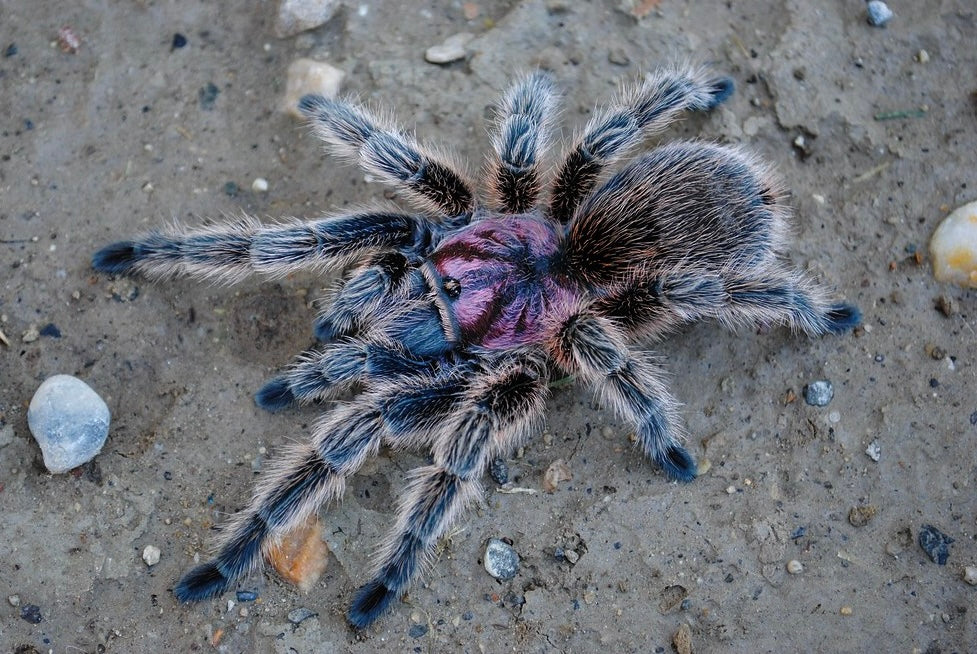
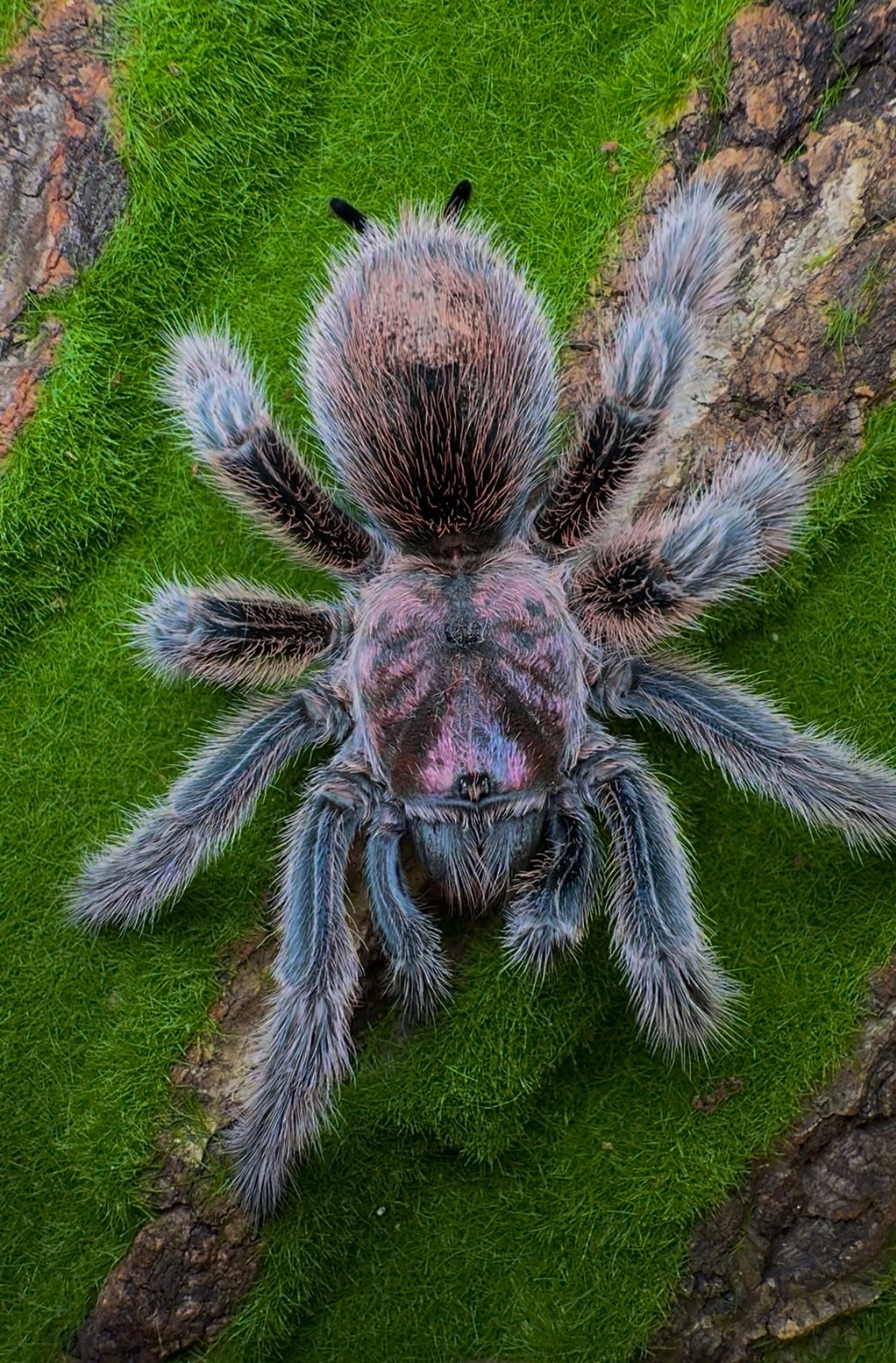
If you’re looking for the ultimate beginner friendly New World tarantula, this is it. The Chilean Blue Rose! A breathtaking blue and pink colored Grammostola porteri, native to the lowlands of the Los Andes mountain range in Chile! This stunning (Los Andes Locale), is one of the most criminally underrated and virtually unobtainable tarantulas in the U.S. hobby today. Unlike the standard porteri or rosea, this locale variant stuns with deep navy-blue femurs, metallic lavender-pink carapace, and a silky grey body that looks dusted in rose gold. It’s not just beautiful, it’s mesmerizing!

The Most Docile Grammostola?

What truly separates this species from the rest of the Grammostola genus isn’t just the rare, vibrant coloration… it’s there personality. These spiders are incredibly docile, slow-moving, and ridiculously tolerant of handling—making them one of the most beginner-friendly tarantulas on the planet. While many hobbyists chase flashy spiders with a bad attitude, the Chilean Blue Rose offers the best of both worlds, drop-dead gorgeous looks with a puppy-dog tame temperament.

Once Abundant… Now impossible to Find!

This is a pure breed, (Los Andes Locale) of “Grammostola rosea”, was previously known in the hobby as Grammostola porteri. However, Technically speaking, G. porteri is no longer recognized as a separate species, as recent taxonomic revisions have folded it into the broader G. rosea complex. However, what sets this specimen apart is its distinct locality-based coloration. Originating from the isolated Los Andes mountain range in Chile where a striking indigo sheen and rosy pink carapace were naturally occurring traits. Unlike the heavily hybridized and often misidentified “Chilean rose hairs” that dominate the U.S. market today, this particular bloodline has been kept pure, free of crossbreeding with other rosea locale variants. As a result, it exhibits an intensity of color and calm demeanor that has become nearly impossible to find. Due to Chile’s strict export restrictions and the rarity of true captive breeding, these pure Los Andes Locale forms have all but vanished from the hobby, making them an absolute treasure for collectors who value authenticity, locality, and the preservation of clean bloodlines. That being said, whether you’re a newcomer seeking a gentle introduction to the hobby or a seasoned keeper building a collection of rare Grammostola species… The Chilean Blue Rose is the definition of a showpiece species. Elegant, easygoing, and increasingly elusive, don’t miss your chance to own this sapphire-coated sweetheart.

View full details
WESTSIDE TARANTULAS

Species Profile

Everything You Need To Know At A Glance.
Experience Level
Beginner
Temperament
Extremely Docile, Curious & Tolerant of Handling
Type
Terrestrial / New World
DLS
Adult Size
5–6” DLS
Country of Origin
Chile – Valparaíso Region / (Los Andes)
Life Span
♀30+ Years

Care & Husbandry Guide

🏠 Enclosure & Substrate

Provide a terrestrial enclosure with a few inches of mostly dry substrate and plenty of open floor space. Blue Roses are naturally curious and will regularly walk around and explore their enclosure. A cork hide can be offered, although established specimens often prefer sitting completely out in the open. Keep excessive climbing height low since these are heavy-bodied terrestrial tarantulas.

🌡️ Temperature & Humidity

Keep this species cool and dry, with temperatures from the low 60s to mid-70s°F working very well. Keep the substrate predominantly dry with good ventilation and provide a water dish for hydration. Smaller slings can receive a little additional moisture while establishing, but larger specimens do best without constantly damp substrate or high humidity.

 🍽️ Feeding & Water 

G. porteri have a slow metabolism and don’t require heavy feeding. Growing specimens can be offered an appropriately sized cricket or roach about once a week, while larger specimens can be fed every 7–14 days depending on body condition. Always provide a clean water dish. Long periods of fasting are completely normal with this species and shouldn’t be a concern as long as the tarantula remains well hydrated and in good condition.

🕷️ Species-Specific Care 

Chilean Blue Roses are extremely hardy, easy to care for, and incredibly relaxed. They prefer a cool, mostly dry terrestrial setup with a water dish and plenty of room to move around. Like other Chilean Grammostola, they’re slow-growing, long-lived tarantulas that regularly sit completely out in the open. Their simple care and calm personality make them an excellent beginner species.Chilean Blue Roses are extremely hardy, easy to care for, and incredibly relaxed. They prefer a cool, mostly dry terrestrial setup with a water dish and plenty of room to move around. Like other Chilean Grammostola, they’re slow-growing, long-lived tarantulas that regularly sit completely out in the open. Their simple care and calm personality make them an excellent beginner species.