
Skip to product information
1 of 4

Westside Tarantulas

Grammostola rosea RCF - True Chilean Rose Hair - For Sale!

Grammostola rosea RCF - True Chilean Rose Hair - For Sale!

Regular price $99.00
Regular price Sale price $99.00
Sale Sold out
Shipping calculated at checkout.
Size and Sex

Grammostola rosea RCF – True Chilean Rose Hair

The Rose Hair Everyone Remembers — But Rarely Seen Anymore

There was a time when Chilean Rose Hairs were everywhere in the hobby. Today, finding a true Grammostola rosea RCF (Red Color Form)—especially one with this kind of coloration—is a completely different story. Their painfully slow growth combined with the limited availability of Chilean stock has turned what was once considered a common tarantula into a species that many newer keepers have never even had the opportunity to own.

This Is What a True RCF Should Look Like

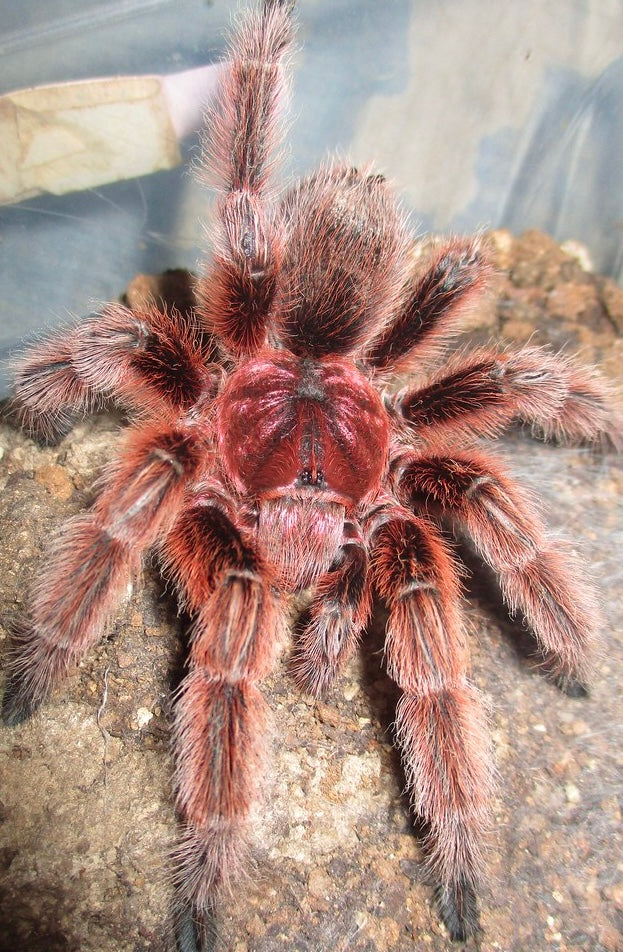
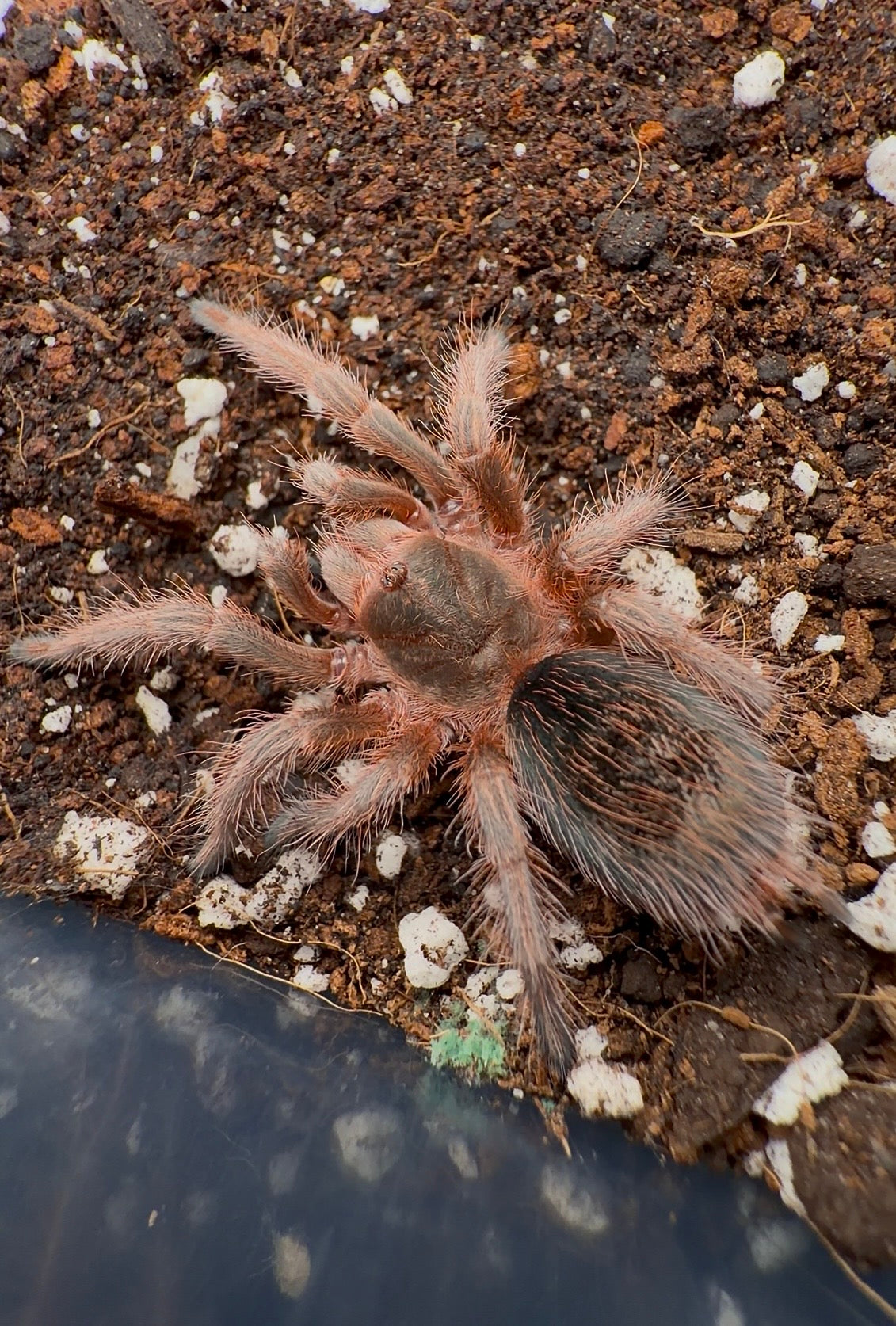
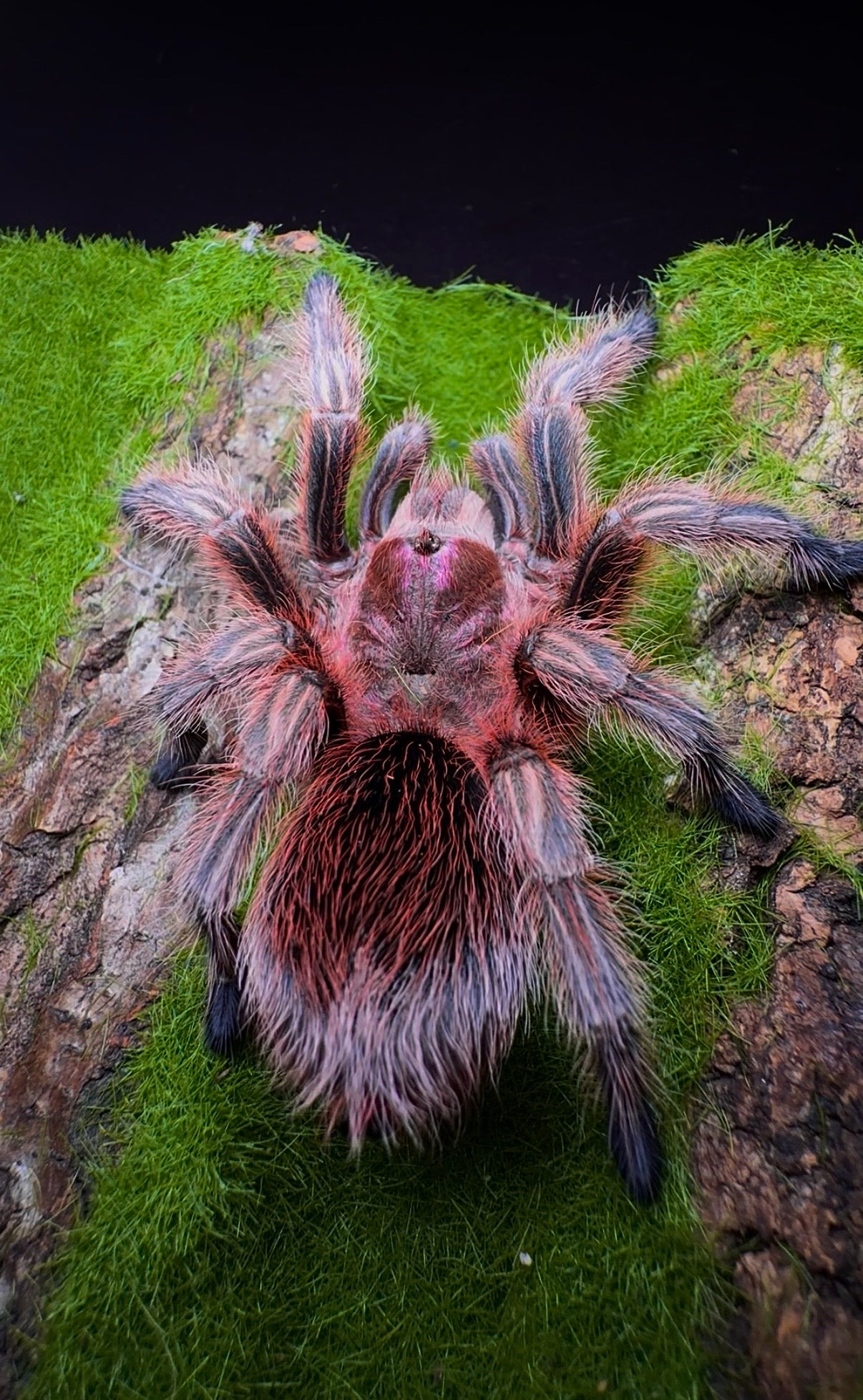
And this female is an absolutely beautiful example of why the Red Color Form is so special. At approximately 3.5+” DLS, she already displays an incredible mixture of rose-gold, copper-red, cream-white, and subtle metallic tones throughout her body. Her carapace has that classic polished rose appearance, while the contrasting pale hairs and deep red abdomen make her look completely different depending on the lighting.

The photo really speaks for itself—this is not your typical brown Rose Hair.

One of the Best Personalities in the Hobby

Looks are only half the reason I love this species. G. rosea are famous for being extremely docile, slow-moving, curious, and tolerant of gentle handling. Individual temperament can always vary, but well-established females like this are typically incredibly relaxed animals that spend plenty of time sitting completely out in the open. For someone looking for a tarantula they can actually observe and enjoy rather than constantly searching for underground, it’s hard to beat a Rose Hair.

Almost Impossible to Kill — Almost Impossible to Grow

There’s a reason Rose Hairs became such iconic beginner tarantulas in the first place: they are unbelievably hardy. Keep them cool and mostly dry, give them a clean water dish, and don’t overcomplicate things. That’s really about it. The catch is their growth rate. These guys grow painfully slow, and females can live for decades. A 3.5+” female represents years of development that simply can’t be rushed. They’re also notorious for going through incredibly long periods without eating, which is completely normal for the species.

From Common to Collector Species

That’s what makes owning a true RCF today so interesting. Older keepers may remember when Chilean Rose Hairs were considered one of the most ordinary tarantulas available. Now, established examples—especially brightly colored females with unmistakable RCF coloration—have become something genuinely special to find. For newer keepers, this is an opportunity to own one of the species that helped build the tarantula hobby. For longtime collectors, it’s a chance to put a true Chilean classic back into the collection.

A Tarantula You Could Own for Decades

Beautiful coloration, incredibly simple care, a calm personality, and 30+ years of potential female longevity—there aren’t many tarantulas that offer this combination. And unlike a tiny sling where you’re waiting years to see what it eventually becomes, this 3.5+” female is already well established and showing exactly why the True Chilean Rose Hair became such an iconic species in the first place.

View full details
WESTSIDE TARANTULAS

Species Profile

Everything You Need To Know At A Glance.
Experience Level
Beginner
Temperament
Extremely Docile, Curious & Tolerant of Handling
Type
Terrestrial / New World
DLS
Adult Size
5–6” DLS
Country of Origin
Chile
Life Span
♀30+ Years

Care & Husbandry Guide

🏠 Enclosure & Substrate

Provide a terrestrial enclosure with a few inches of mostly dry substrate and plenty of open floor space. Rose Hairs are curious animals and regularly sit completely exposed or slowly explore their enclosure. A hide can be offered, although many established specimens rarely use one. Keep excessive climbing height low since these are heavy-bodied terrestrial tarantulas.

🌡️ Temperature & Humidity

Keep this species cool and dry, with temperatures from the low 60s to mid-70s°F working very well. Keep the substrate predominantly dry with good ventilation and provide a water dish for hydration. Smaller slings can receive a little additional moisture while establishing, but established specimens do not need tropical humidity or constantly damp substrate.

 🍽️ Feeding & Water 

Rose Hairs have a very slow metabolism, so they don’t require heavy feeding. Growing specimens can be offered an appropriately sized cricket or roach about once a week, while larger adults can be fed every 7–14 days depending on body condition. Always provide a clean water dish. This species is famous for occasionally going through very long fasting periods, so food refusal isn’t unusual as long as the animal remains hydrated and in good condition.

🕷️ Species-Specific Care 

True Chilean Rose Hairs are extremely hardy, easy to care for, and one of the best beginner tarantulas you can own. RCF stands for Red Color Form, known for developing much richer pink, rose, and copper coloration than the more muted forms commonly seen in the hobby. They prefer a cool, mostly dry terrestrial setup and spend plenty of time sitting completely out in the open. They’re incredibly low-maintenance animals that can remain in a collection for decades.