
Skip to product information
1 of 5

Westside Tarantulas

Hetroscoda maculata - Togo Starburst Baboon - Captive Bred Babies

Hetroscoda maculata - Togo Starburst Baboon - Captive Bred Babies

Regular price $65.00
Regular price Sale price $65.00
Sale Sold out
Shipping calculated at checkout.
Size and Sex

Togo Star Burst Baboon - Heteroscodra maculata 

One of the Most Beautiful Old Worlds in the Hobby

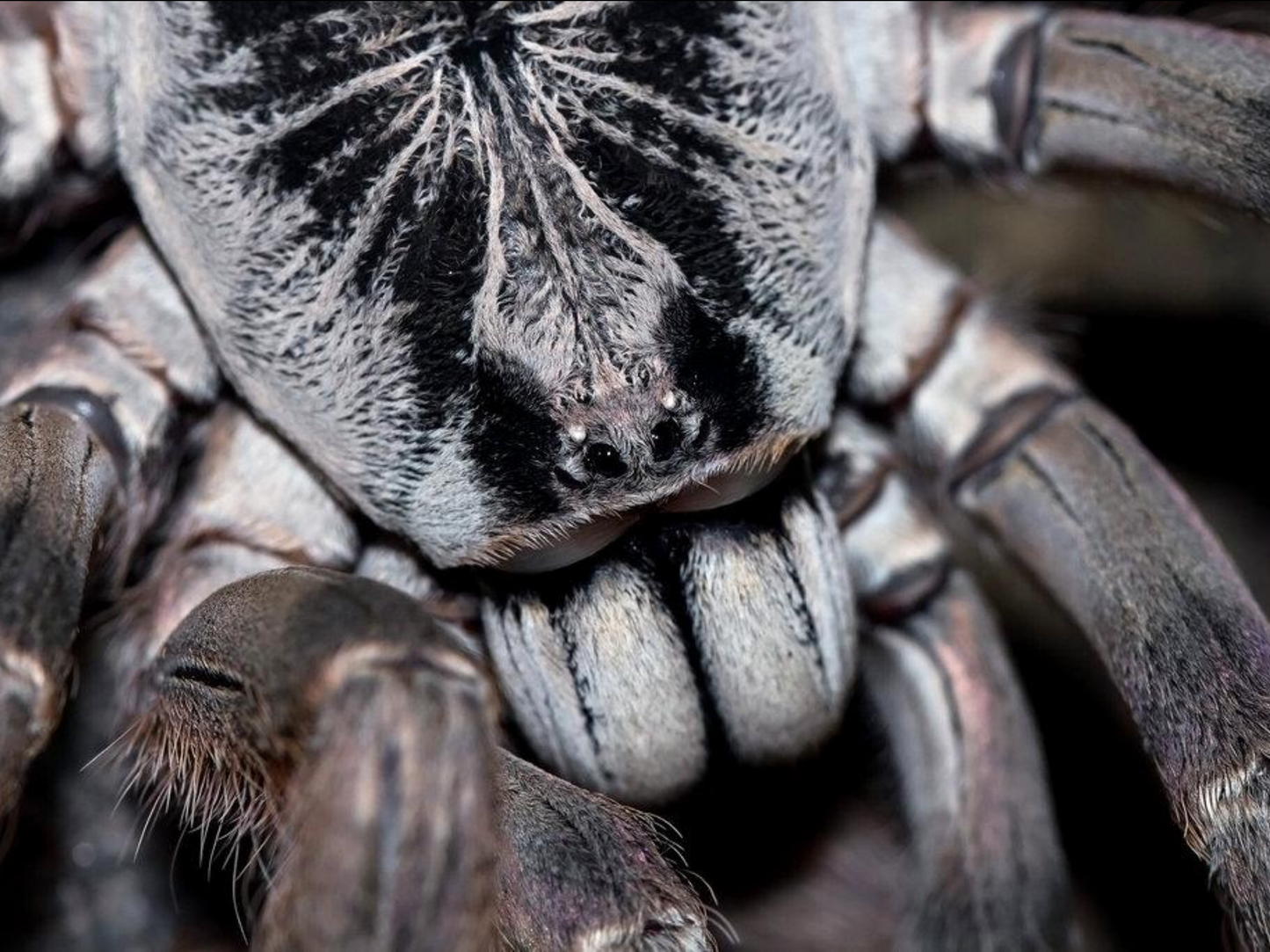
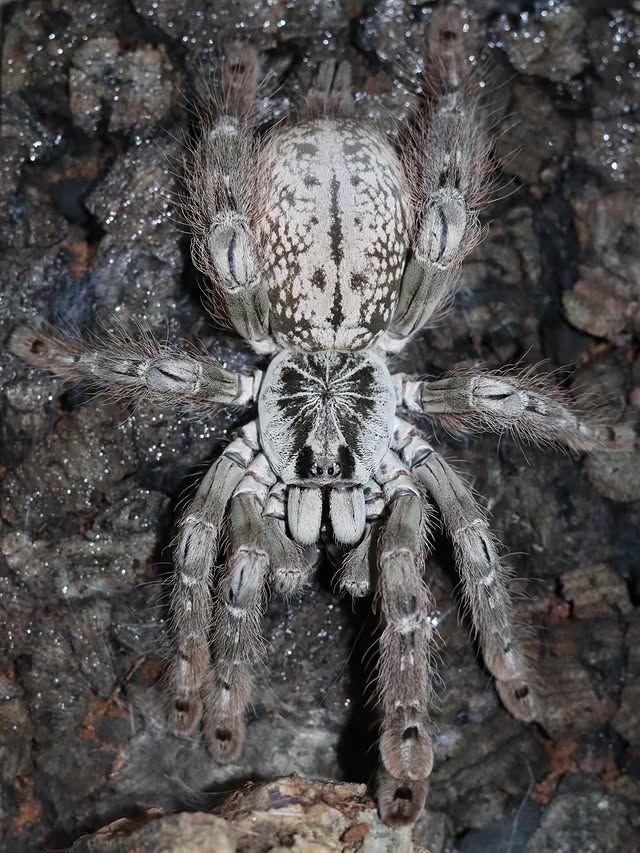
The Togo Starburst Baboon is easily one of the most visually striking arboreal tarantulas on the planet. Famous for its insane “starburst” patterning, this species develops an intricate mix of silver, black, cream, and smoky gray tones that almost look painted on. As they mature, the contrast becomes even more dramatic, giving adult specimens an appearance unlike anything else in the hobby. Long legs, lightning-fast movement, and an unmistakable bark-like camouflage make this species a true showpiece.

Lightning Fast & Full of Personality

Heteroscodra maculata is an authentic Old World experience. This species is incredibly fast, highly alert, and always aware of its surroundings, making every interaction exciting. Unlike heavy webbing arboreals that hide constantly, Togo Starbursts are often seen stretched across cork bark or sitting exposed on the side of their enclosure. Their bold feeding response and active behavior make them one of the most entertaining display tarantulas you can own.

Captive Bred & Well Started

These are captive bred babies, which is a massive advantage with a species like this. CB specimens tend to adapt significantly better to captivity, establish feeding responses quicker, and are generally much more robust long term than wild imports. Raising a Togo Starburst from a baby into a fully patterned adult is one of the most rewarding experiences in the hobby. Watching the dramatic color and pattern transformation over time is absolutely unreal.

Hardy Arboreal Care

Despite their reputation for speed, H. maculata are actually very hardy when given proper arboreal conditions. They thrive in vertically oriented enclosures with plenty of cork bark, strong cross ventilation, and dry substrate with access to water. This species appreciates moderate humidity but, much like Avicularia species, stagnant air is the enemy. Once established, they are excellent eaters and surprisingly durable.

A True Collector’s Species

The Togo Starburst Baboon has remained a staple high-end Old World species for years—and for good reason. Their unreal patterning, intense feeding response, arboreal behavior, and iconic reputation make them a must-have for experienced keepers looking to add a truly elite species to their collection. Few tarantulas command attention quite like a fully grown Heteroscodra maculata.

View full details
WESTSIDE TARANTULAS

Species Profile

Everything You Need To Know At A Glance.
Experience Level
Intermediate - Advanced
Temperament
Extremely Fast, Skittish & Defensive
Type
Arboreal / Old World / Heavy Webber
DLS
Adult Size
5–6” DLS
Country of Origin
West Africa – (Togo / Ghana Region)
Life Span
♀10–15+ Years

Care & Husbandry Guide

🏠 Enclosure & Substrate

Use a tall, escape-proof arboreal enclosure with vertical cork bark, several inches of substrate, and plenty of webbing anchor points. Togo Starbursts will often web behind the cork and extend their retreat down into the substrate, so giving them both height and substrate depth works extremely well. Make sure rehousing access is secure and easy to control—this species is incredibly fast when it decides to move.

🌡️ Temperature & Humidity

Keep this species around 72–78°F with moderate moisture and plenty of ventilation. Smaller babies appreciate some additional moisture while establishing, but the enclosure should never be soaking wet or stagnant. I prefer allowing some surface drying between watering while maintaining a little moisture deeper in the substrate.

 🍽️ Feeding & Water 

H. maculata have an excellent feeding response and grow quickly when fed consistently. Babies can be offered appropriately sized crickets or roaches about once a week, while larger specimens can be fed every 7–14 days depending on body condition. Keep a water dish available once they’re large enough, and lightly mist part of the webbing or enclosure for smaller babies so they have easy access to droplets.

🕷️ Species-Specific Care 

Togo Starburst Baboons are fast-growing, hardy Old World arboreals that become much easier to maintain once given a secure setup. They appreciate vertical cork bark, plenty of anchor points, and enough substrate at the bottom to create a webbed retreat. They’re heavy webbers and will often connect their cork, substrate, and surrounding enclosure with thick silk. These captive-bred babies are best suited for keepers who already have experience with faster Old World species.