
Skip to product information
1 of 6

Westside Tarantulas

Iridopelma Hirsutum - Amazon Pink Ribbon - For Sale! - (Extremely Rare)

Iridopelma Hirsutum - Amazon Pink Ribbon - For Sale! - (Extremely Rare)

Regular price $195.00
Regular price Sale price $195.00
Sale Sold out
Shipping calculated at checkout.
Size and Sex

Amazon Pink Ribbon — Iridopelma hirsutum

A Pinktoe Like No Other

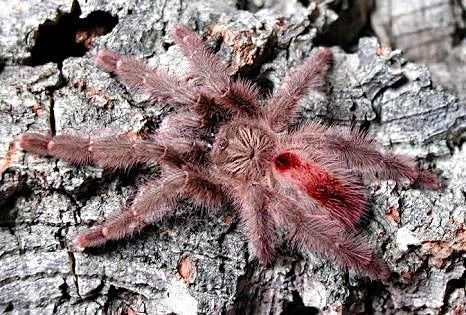
Introducing one of the rarest and most visually captivating arboreal tarantulas in the entire hobby — the Amazon Pink Ribbon. Native to the lush rainforests of Brazil, this elusive species is almost never seen in the trade due to Brazil’s strict export ban on native fauna. That rarity alone makes this a true gem, but what really sets Iridopelma hirsutum apart is its jaw-dropping transformation from sling to adult.

Color Change! 

As slings, I. hirsutum resemble a rainbow cosplaying as a tarantula… Sporting a dazzling coat of frosty blue and greenish hues with metallic undertones and a spiked red ribbon pattern that laterally stretches across its abdomen. But as this pinktoe matures, they erupt into a fluffy, rich cotton candy pink with a signature metallic red ribbon-stripe that runs along its abdomen! In a room full of arboreals, this species will still steal the show. But it’s not just about looks. The Amazon Pink Ribbon is a graceful climber with a calm temperament and moderate webbing tendencies. They’re not particularly defensive and prefer to retreat to their hide or web tube rather than show aggression, making them surprisingly manageable for an intermediate keeper. Their care requirements are straightforward: moderate humidity, vertical space to climb, and standard arboreal ventilation. Feedings are a breeze, as they have a strong feeding response and eagerly accept prey.

Why So Rare?

What makes this species so highly sought-after and pricey is the trifecta of breathtaking adult coloration, extreme rarity, and complete unavailability via import being a Brazilian species… All specimens in the hobby today come from dedicated breeders working to preserve the bloodline, meaning when you purchase one, you’re not just buying a tarantula — you’re participating in the conservation of one of the hobby’s most spectacular and underappreciated species. Whether you’re a serious Aviculariinae collector or just want to own one of the only truly pink tarantulas on Earth, the Amazon Pink Ribbon delivers in every way. With every molt, they become more vivid, more striking, and more irreplaceable.

View full details
WESTSIDE TARANTULAS

Species Profile

Everything You Need To Know At A Glance.
Experience Level
Beginner
Temperament
Docile, Curious & Non-Defensive
Type
Arboreal / New World / Pinktoe
DLS
Adult Size
5–6” DLS
Country of Origin
Brazil
Life Span
♀15+ Years

Care & Husbandry Guide

🏠 Enclosure & Substrate

Use a vertical arboreal enclosure with cork bark, branches, artificial foliage, and plenty of anchor points near the upper portion of the enclosure. Amazon Pink Ribbons will establish webbed retreats around these structures and spend most of their time above the substrate. Prioritize usable height and cross ventilation over deep substrate.

🌡️ Temperature & Humidity

Keep this species around 70–78°F with moderate humidity and excellent ventilation. Rather than keeping the substrate constantly wet, I prefer allowing it to remain mostly dry while lightly misting the webbing and one side of the enclosure as needed. Good airflow is much more important than chasing a specific humidity percentage.

 🍽️ Feeding & Water 

I. hirsutum are reliable eaters and growing specimens can be offered an appropriately sized cricket or roach about once a week. Larger juveniles and adults can be fed every 7–14 days depending on body condition. Provide a water dish once they’re large enough, and lightly mist part of the webbing 1–2 times a week to leave small droplets they can drink directly.

🕷️ Species-Specific Care 

Amazon Pink Ribbons are hardy, beautiful arboreals that are surprisingly straightforward to care for. Give them a tall, well-ventilated enclosure with vertical cork bark, plenty of climbing surfaces, and good anchor points for webbing. Like other pinktoe-type arboreals, airflow is extremely important. Avoid stuffy, constantly wet setups and they’ll generally thrive with very little fuss.