
Skip to product information
1 of 2

Westside Tarantulas

Lasiocyano sazimai – Brazilian Blue Tarantula - For Sale!

Lasiocyano sazimai – Brazilian Blue Tarantula - For Sale!

Regular price $395.00
Regular price Sale price $395.00
Sale Sold out
Shipping calculated at checkout.
Size and sex

Lasiocyano sazimai – Brazilian Blue Tarantula

The Ultimate Sapphire of the Tarantula Hobby

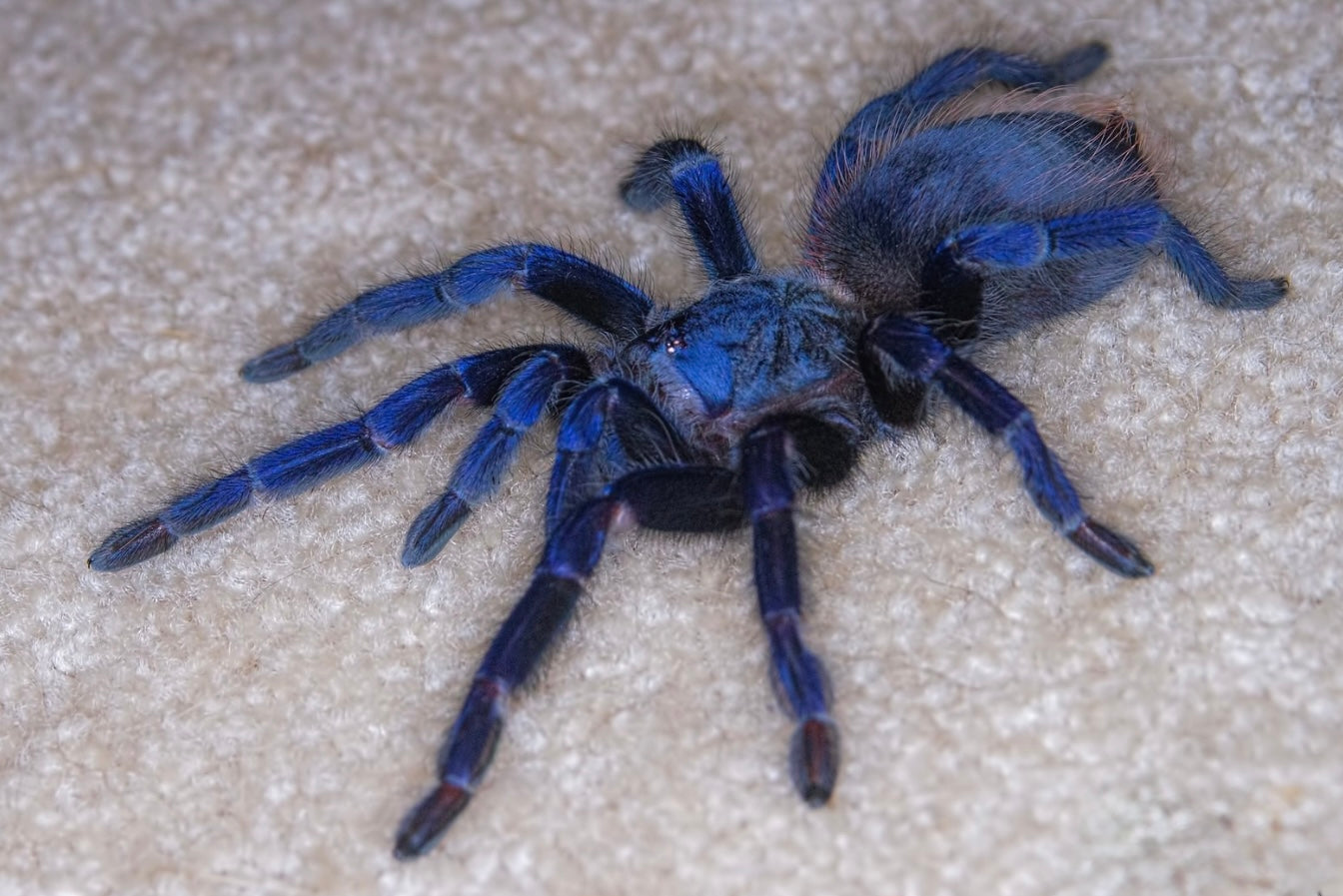
If there is one tarantula that perfectly captures the imagination of collectors around the world, it’s the breathtaking Lasiocyano sazimai, better known as the Brazilian Blue Tarantula. This legendary species is famous for its jaw-dropping, solid metallic cobalt-blue coloration that covers nearly its entire body. Unlike many “blue” tarantulas that only display hints of blue under the right lighting, L. sazimai shines with an electric sapphire glow that almost looks unreal. It’s one of those rare species that stops people in their tracks the moment they see it.

A Living Sapphire Unlike Anything Else

There are blue tarantulas… and then there’s Lasiocyano sazimai. From its shimmering royal-blue carapace to its brilliant sapphire legs and abdomen, this species is one of the most vividly colored New World tarantulas ever discovered. Even seasoned collectors who own dozens of exotic species often consider the Brazilian Blue to be the crown jewel of their collection. If you’re searching for a tarantula that looks like it belongs in a fantasy movie rather than the natural world, you’ve found it.

Rare, Highly Sought After & A True Collector’s Species

For years, the Brazilian Blue was considered one of the most difficult tarantulas to obtain in the hobby. Native to a small region of Brazil, this species remained incredibly scarce and highly coveted by collectors worldwide. Even today, it continues to rank among the most desirable New World tarantulas thanks to its unforgettable appearance and limited availability. Owning a Lasiocyano sazimai isn’t just adding another tarantula to your collection—it’s owning one of the hobby’s true icons.

Beauty Meets Simplicity

Despite its incredible appearance, the Brazilian Blue is surprisingly hardy and straightforward to care for. It grows into a beautiful medium-sized terrestrial display species that spends much of its time out in the open, making it an excellent showcase tarantula. With its calm disposition, stunning colors, and relatively uncomplicated care requirements, it’s easy to understand why so many hobbyists consider this one of the greatest New World species ever kept.

View full details
WESTSIDE TARANTULAS

Species Profile

Everything You Need To Know At A Glance.
Experience Level
Beginner
Temperament
Moderately Skittish & Generally Non-Defensive
Type
Terrestrial / New World
DLS
Adult Size
5–6” DLS
Country of Origin
Brazil
Life Span
♀20+ Years

Care & Husbandry Guide

🏠 Enclosure & Substrate

Provide a terrestrial enclosure with several inches of compactable substrate, plenty of floor space, and a cork-bark hide or starter retreat. Younger Brazilian Blues may dig considerably more than adults, so give them enough substrate to do so naturally. Keep excessive climbing height low since these are terrestrial tarantulas.

🌡️ Temperature & Humidity

Keep this species around 68–76°F with good ventilation. I prefer keeping most of the substrate on the drier side while occasionally moistening one area of the enclosure. Smaller specimens can receive a little additional moisture while establishing, but avoid keeping the entire enclosure constantly wet or stagnant.

 🍽️ Feeding & Water 

L. sazimai are reliable eaters and growing specimens can be offered an appropriately sized cricket or roach about once a week. Larger animals can be fed every 7–14 days depending on body condition. Always provide a clean water dish, and don’t be concerned if feeding slows down or stops when the tarantula approaches a molt.

🕷️ Species-Specific Care 

Brazilian Blues are hardy, straightforward to care for, and absolutely stunning once mature. They do well in a terrestrial setup with a few inches of substrate, a water dish, and good ventilation. Younger specimens may dig or establish a retreat, while larger animals are often more comfortable sitting out in the open. Their combination of metallic blue coloration and manageable care makes them an awesome species for someone looking for something more unique than your typical beginner terrestrial.