
Skip to product information
1 of 2

Westside Tarantulas

Lasiodorides polycuspulatus – Polychromatic Bird Eater - For Sale!

Lasiodorides polycuspulatus – Polychromatic Bird Eater - For Sale!

Regular price $499.00
Regular price Sale price $499.00
Sale Sold out
Shipping calculated at checkout.
Size and Sex

Lasiodorides polycuspulatus – Polychromatic Bird Eater

A Hidden Giant with Ever-Changing Colors

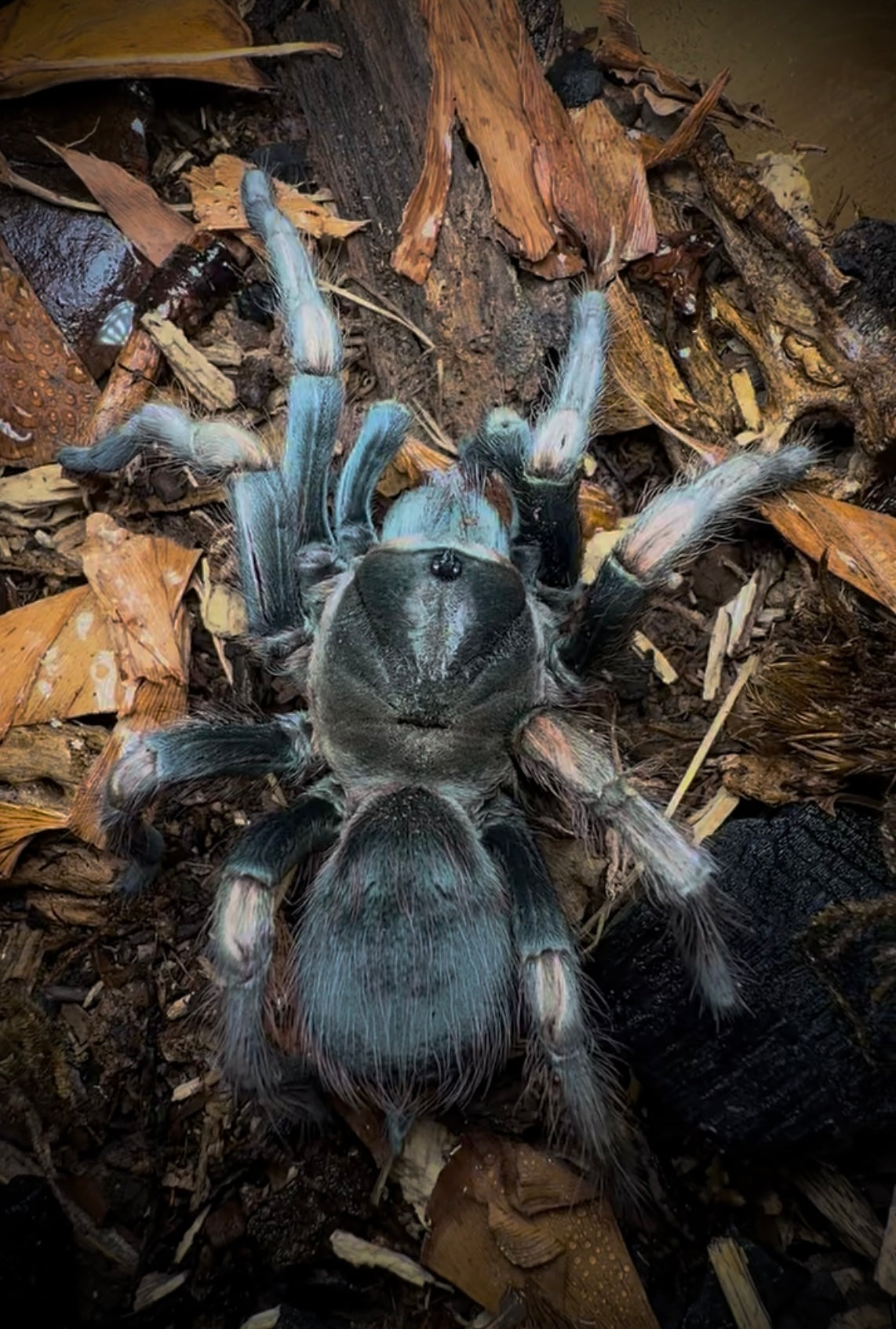
The Lasiodorides polycuspulatus, better known as the Polychromatic Bird Eater, is one of the hobby’s most underrated giant tarantulas. As its common name suggests, this species develops an incredible blend of colors throughout its lifetime, displaying velvety charcoal blacks, shimmering steel blues, olive-green undertones, and striking cream leg markings that create a truly one-of-a-kind appearance. Every molt seems to reveal a new combination of colors, making this a species that never loses its appeal.

Massive Size Without the Attitude

If you’ve always wanted an impressive bird eater but aren’t looking for an overly defensive species, Lasiodorides polycuspulatus is an outstanding choice. Reaching an impressive 8+ inches DLS, this species develops into a thick-bodied powerhouse with an incredible feeding response while remaining surprisingly manageable for its size. They command attention simply by their massive build and beautiful coloration.

A Confident Display Tarantula

Unlike many large terrestrial species that spend much of their lives hidden away, the Polychromatic Bird Eater is known for spending plenty of time out in the open. Once settled into its enclosure, it frequently sits on display, allowing you to fully appreciate its constantly shifting coloration and enormous size. This makes it an exceptional showcase species for any collection.

Built for Big Feeding Responses

This species is famous for its ferocious appetite. Whether it’s crickets, roaches, or larger prey items as adults, the Polychromatic Bird Eater wastes little time launching explosive feeding attacks that never get old to watch. Combined with its medium-fast growth rate, you’ll quickly watch a tiny sling transform into a truly impressive giant.

One of the Hobby’s Most Underrated Giants

While many collectors chase the same handful of giant tarantulas, Lasiodorides polycuspulatus continues to fly under the radar despite offering everything hobbyists look for: enormous adult size, incredible coloration, heavy feeding responses, confidence on display, and hardy care requirements. If you’re looking for a species that stands apart from the crowd while still being relatively forgiving to keep, this hidden gem deserves a place in your collection.

View full details
WESTSIDE TARANTULAS

Species Profile

Everything You Need To Know At A Glance.
Experience Level
Beginner
Temperament
Calm & Confident
Type
Terrestrial / New World
DLS
Adult Size
6”+ DLS
Country of Origin
Peru
Life Span
♀20–25+ Years

Care & Husbandry Guide

🏠 Enclosure & Substrate

Use a terrestrial enclosure emphasizing floor space rather than height. Provide several inches of compactable coco fiber, soil-based tarantula substrate, or a similar mixture deep enough to support burrowing. Add cork bark or another secure hide and keep climbing height limited because falls can injure a heavy-bodied terrestrial tarantula. 

🌡️ Temperature & Humidity

Maintain comfortable room temperatures around 70–78°F. Provide good ventilation while keeping the lower layers of the substrate from becoming excessively dry for extended periods. A slightly moisture-retentive substrate works well, but avoid creating stagnant or waterlogged conditions. A full water dish should always be available.

 🍽️ Feeding & Water 

Offer appropriately sized crickets, roaches, or similar feeders approximately once a week for juveniles. Larger specimens can receive a substantial meal every 7–14 days depending on body condition and appetite. Keep a clean water dish available at all times. Remove uneaten prey and reduce or suspend feeding when the tarantula shows signs of premolt.

🕷️ Species-Specific Care 

Lasiodorides polycuspulatus is a rare Peruvian terrestrial prized for its unusual polychromatic appearance, with earthy blonde and brown coloration complemented by subtle pink, orange, and violet tones. This is a substantial, slow-maturing New World species that benefits from deep substrate and a secure retreat. Established specimens are generally hardy, strong feeders, and make impressive display animals. Give the spider room to burrow and avoid unnecessary handling or disturbance, particularly around molts.