
Skip to product information
1 of 5

Westside Tarantulas

Neoholothele incei - Trinidad Gold + Trinidad Olive - Communal

Neoholothele incei - Trinidad Gold + Trinidad Olive - Communal

Regular price $125.00
Regular price Sale price $125.00
Sale Sold out
Shipping calculated at checkout.
Sex and Color

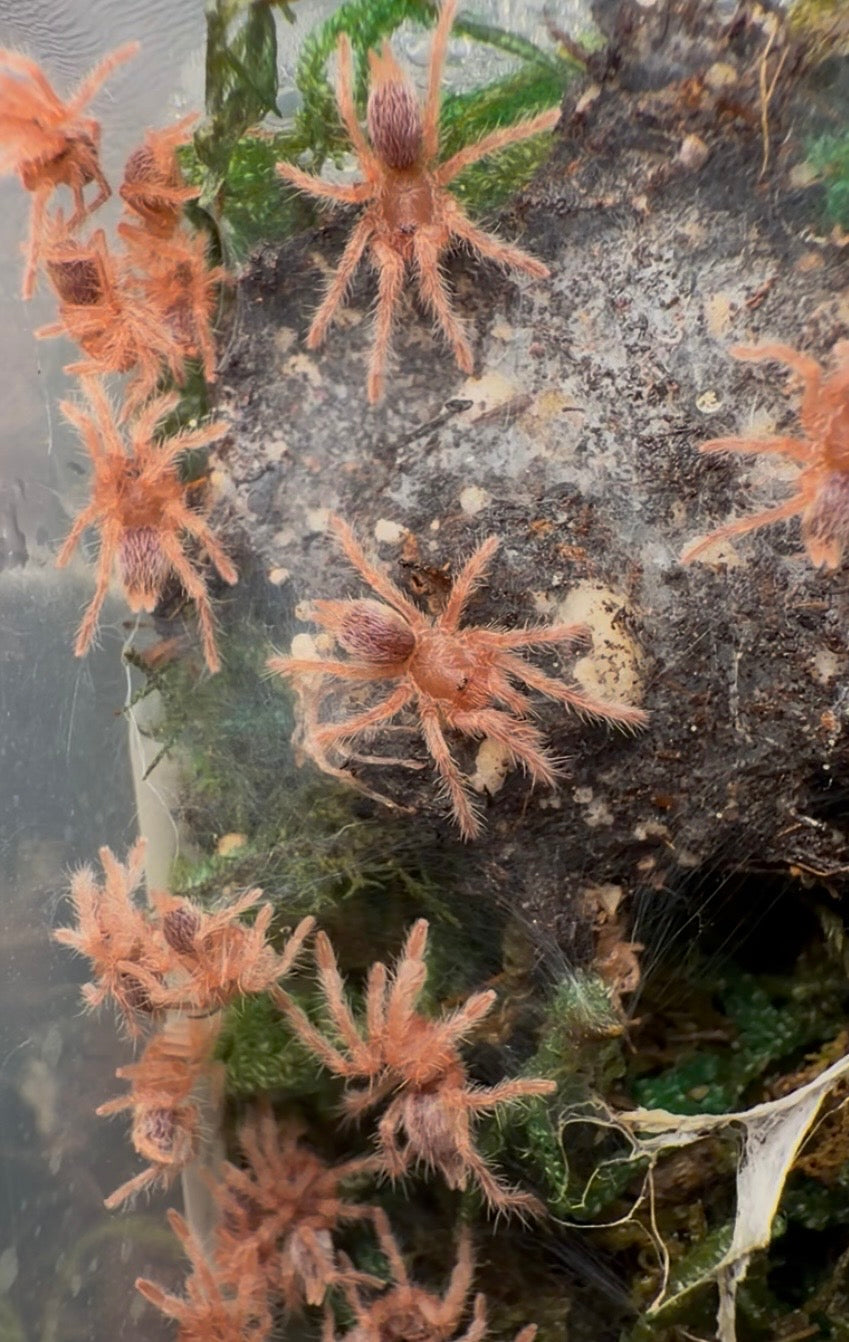
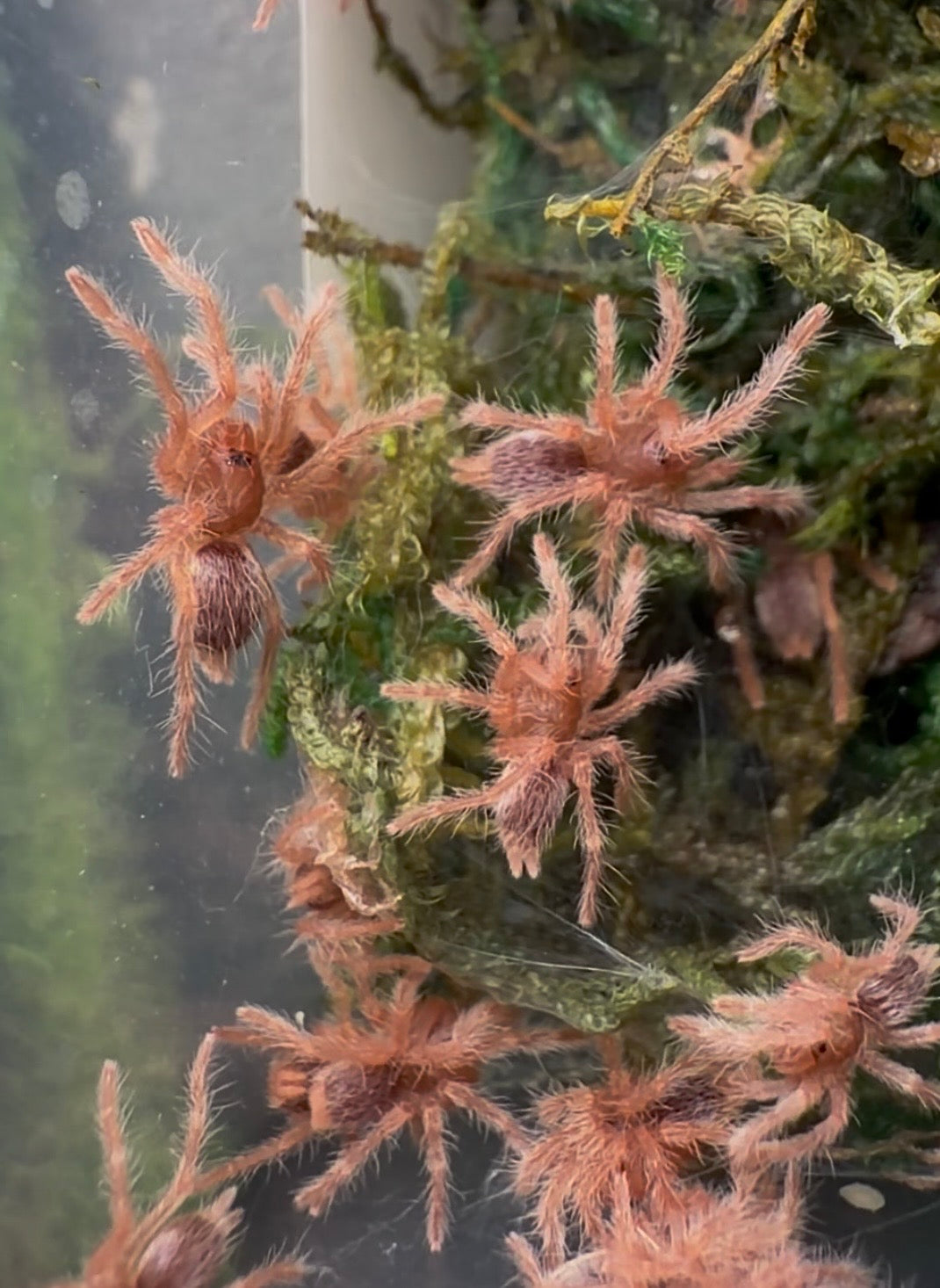
Neoholothele incei - The Perfect Communal & Ideal Breeding Project

The Neoholothele incei is a small, docile, and low-maintenance New World tarantula species that’s perfect for keepers of all experience levels. What makes this species truly special is that it’s one of the few tarantulas that can be kept communally! But more amazingly, they’re available in two stunning color variants ”Gold and Olive” this species offers a rare opportunity to mix different morphs within the same communal setup! Imagine having two distinct colored tarantulas cohabiting peacefully in one enclosure, a sight that’s practically unheard of in the hobby! Furthermore, this species is perfect for beginners and expert keepers alike as N. incei is easy to care for, hardy, only reach 3.75 inches DLS and are extremely fast growing! Lastly, you can choose between two distinct and stunning color morphs (Gold and Olive) and if your like me and can’t choose between the two then simply get both! 

Key Notes for Breeding! 

Something very interesting about Neoholothele incei is that if you breed an Olive female to a Gold male, or vise versa… the offspring will be 50% Gold and 50% Olive! More over, though this species doesn’t grow particularly large, they can produce upwards of 75+ babies per clutch and are one of the easiest tarantulas to breed! This makes N. incei an excellent choice for those looking to get into breeding tarantulas for the first time. Ideal Conditions - They thrive at room temperature if you’re comfortable, they’re comfortable! Triple Clutching! - Unlike most tarantulas that can only drop one egg sac per molt cycle, N. incei can produce up to three egg sacs from a single pairing!

Once your female drops an egg sac, follow these steps to ensure success:

  1. Keep the substrate semi-moist (but avoid getting water on the egg sac).

  2. Within 30 days, the babies will emerge from the sac.

  3. Wait another 10-14 days for them to molt once again, at which they will obtain their iconic Gold and Olive coloration.

  4. By now your tarantulas are .5+ inches DLS. You can begin feeding them small crickets or any prey their size or smaller! 

This species will not produce offspring in a communal setting. If you plan to breed your N. incei, you must separate an adult female into a solitary enclosure. The lack of disturbance from other tarantulas provides the perfect conditions for her to produce and care for an egg sac. Once a female has been removed from a communal setup, she cannot be reintroduced, as she will no longer recognize her former room-mates and may attack them.

Why Add Neoholothele incei to Your Collection?

This species is unlike any other, offering a true communal experience, gorgeous color variation, and easy care requirements. Whether you’re an experienced keeper looking for a fascinating project or a beginner wanting an exciting and manageable species, Neoholothele incei is the perfect addition to your collection. Don’t miss this opportunity to own one of the most unique and rewarding communal tarantulas in the hobby. Get your Gold & Olive mix today!

View full details
WESTSIDE TARANTULAS

Species Profile

Everything You Need To Know At A Glance.
Experience Level
Beginner
Temperament
Docile, Fast & Generally Retreat-Oriented
Type
New World / Dwarf / Heavy Webber / Communal
DLS
Adult Size
3–4” DLS
Country of Origin
Trinidad & Tobago
Life Span
♀12-15 Years

Care & Husbandry Guide

🏠 Enclosure & Substrate

Give them a terrestrial enclosure with several inches of compactable substrate and lots of webbing anchor points. Cork bark, moss, leaves, and artificial plants work great. They’ll dig underneath these structures and eventually connect much of the enclosure with thick webbing. For communals, provide plenty of usable space and multiple retreat areas so the group can establish an interconnected network of tunnels.

🌡️ Temperature & Humidity

Keep this species around 70–78°F with moderate moisture and good ventilation. I prefer allowing portions of the surface to dry while maintaining a little moisture deeper in the substrate. Smaller specimens appreciate slightly more moisture while establishing, but avoid keeping the enclosure constantly soaking wet or stagnant.

 🍽️ Feeding & Water 

N. incei have an excellent feeding response and grow quickly when fed consistently. Slings and juveniles can be offered appropriately sized crickets or roaches about once a week. When keeping a communal, I like offering multiple prey items throughout the enclosure so every spider has an opportunity to eat. Provide a small water dish once they’re large enough and lightly moisten one area for smaller specimens.

🕷️ Species-Specific Care 

Trinidad Olives and Trinidad Golds are hardy, fast-growing, heavy-webbing dwarf tarantulas that are surprisingly easy to care for. Give them several inches of substrate, plenty of cork or other anchor points, and they’ll quickly transform the enclosure into a maze of silk tunnels. One of the coolest things about N. incei is that they can also be successfully maintained in communal groups, making them an incredibly fun species to keep and observe.