
Skip to product information
1 of 4

Westside Tarantulas

Orithoctinae Sp. Vietnam Silver - Silver Earth Tiger Tarantula - For Sale

Orithoctinae Sp. Vietnam Silver - Silver Earth Tiger Tarantula - For Sale

Regular price $305.00
Regular price Sale price $305.00
Sale Sold out
Shipping calculated at checkout.
Size and Sex

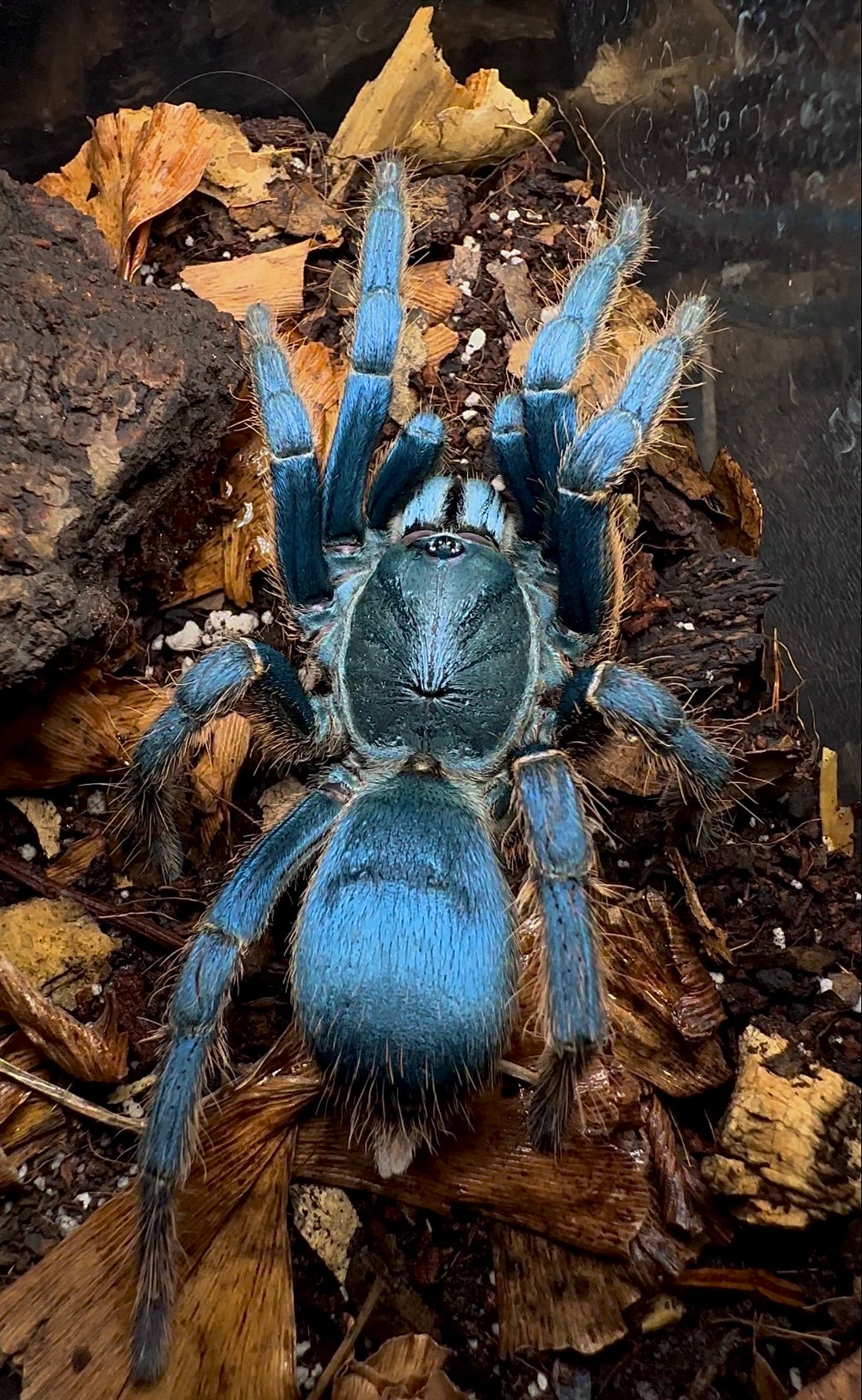
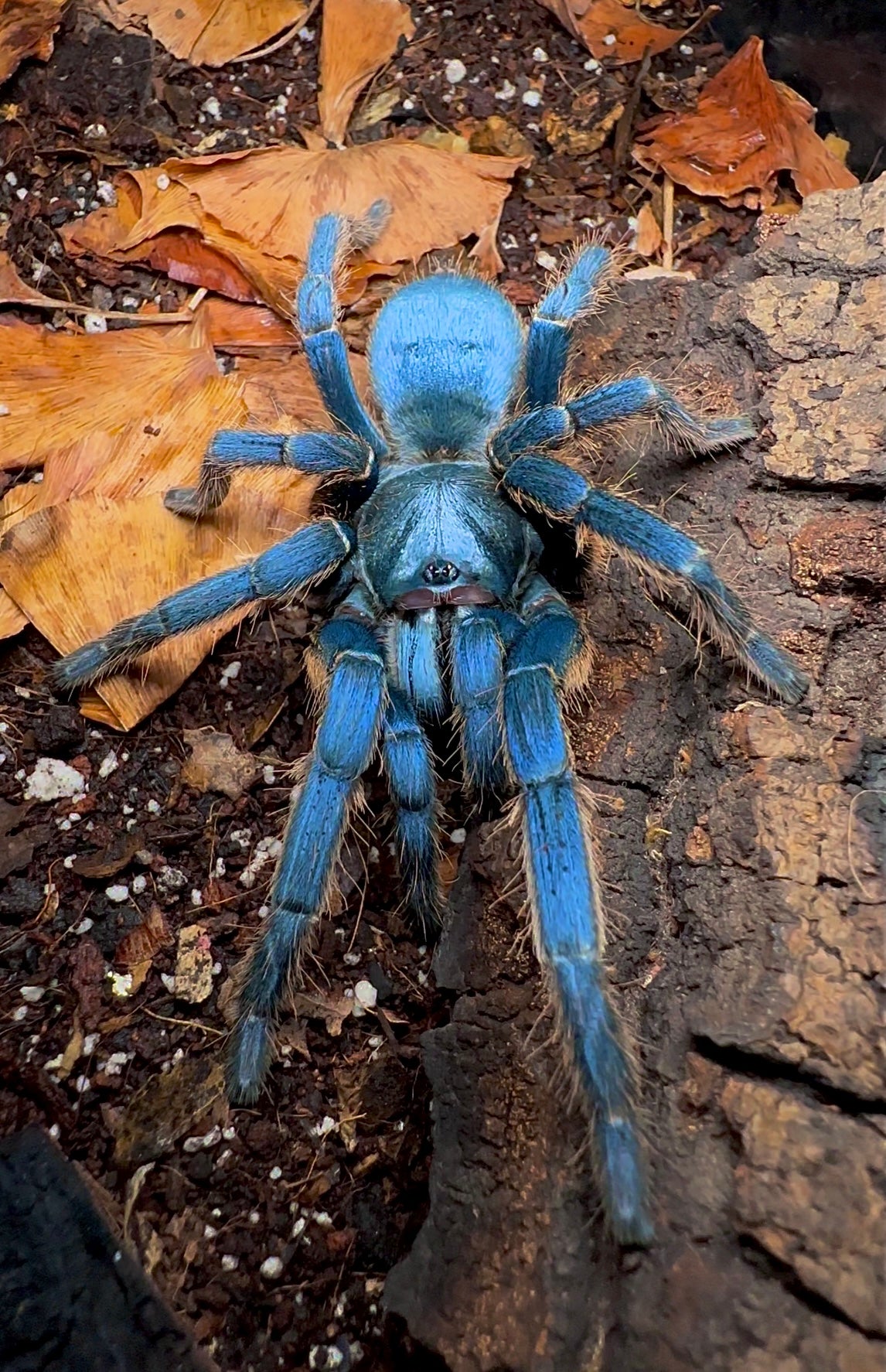
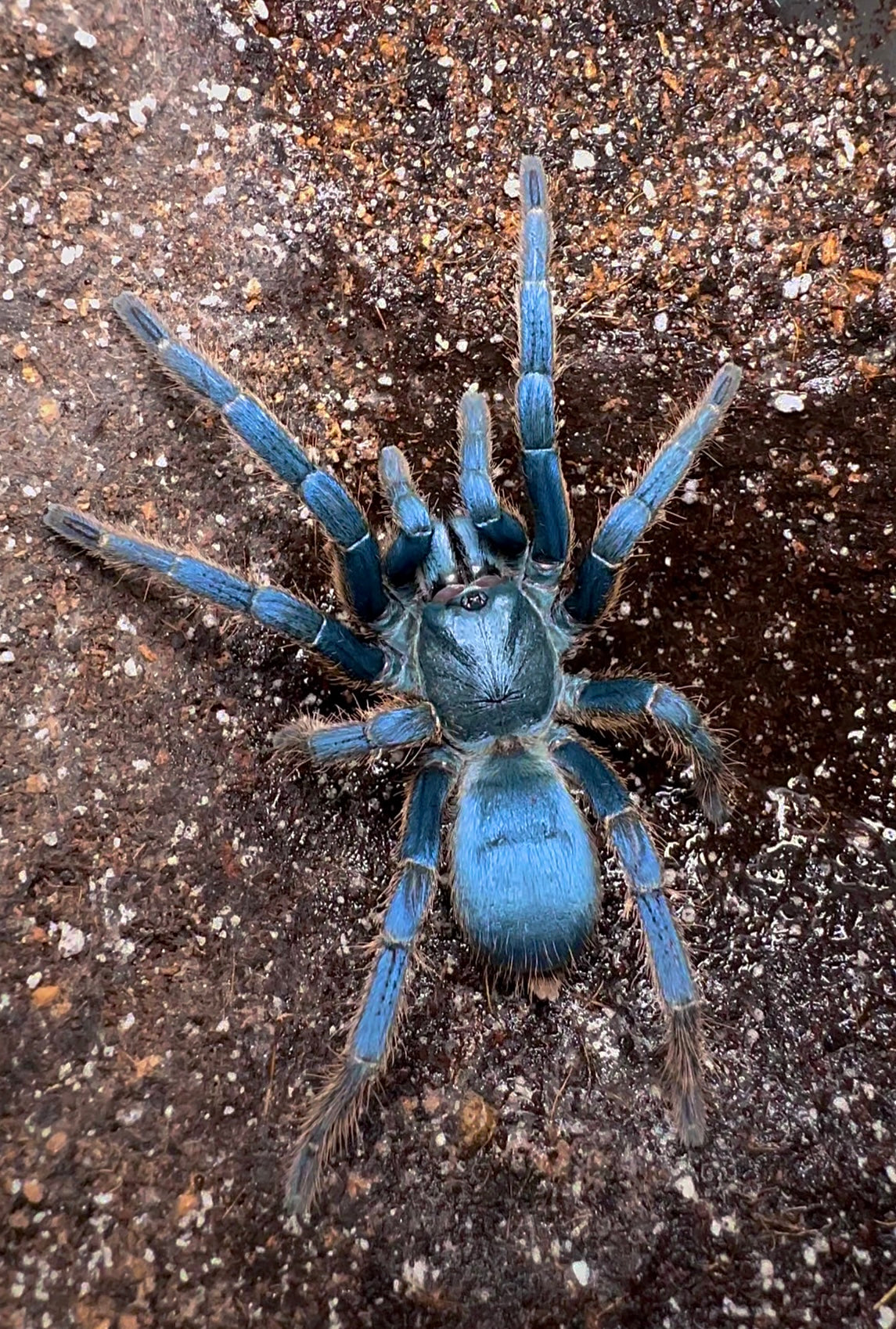
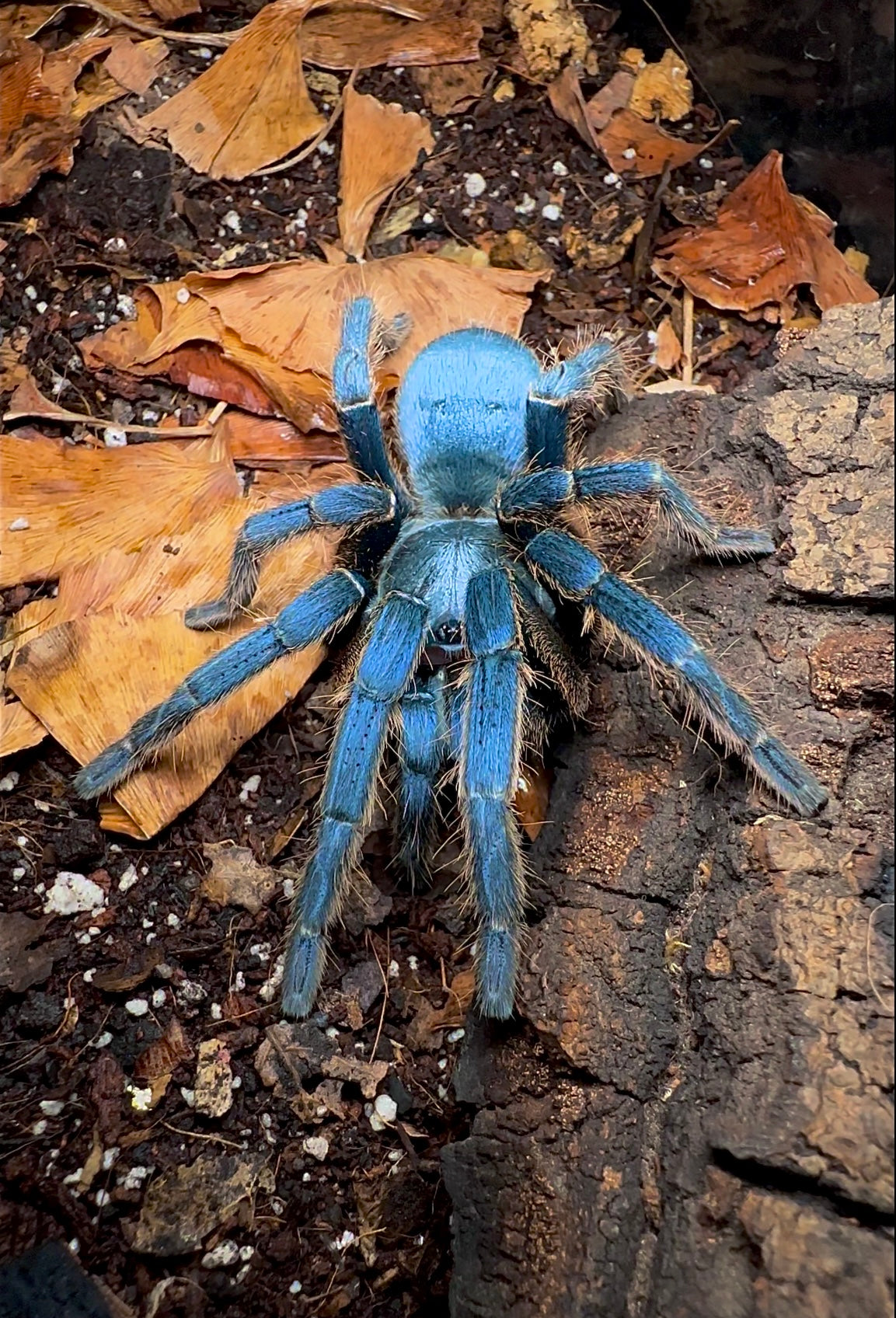
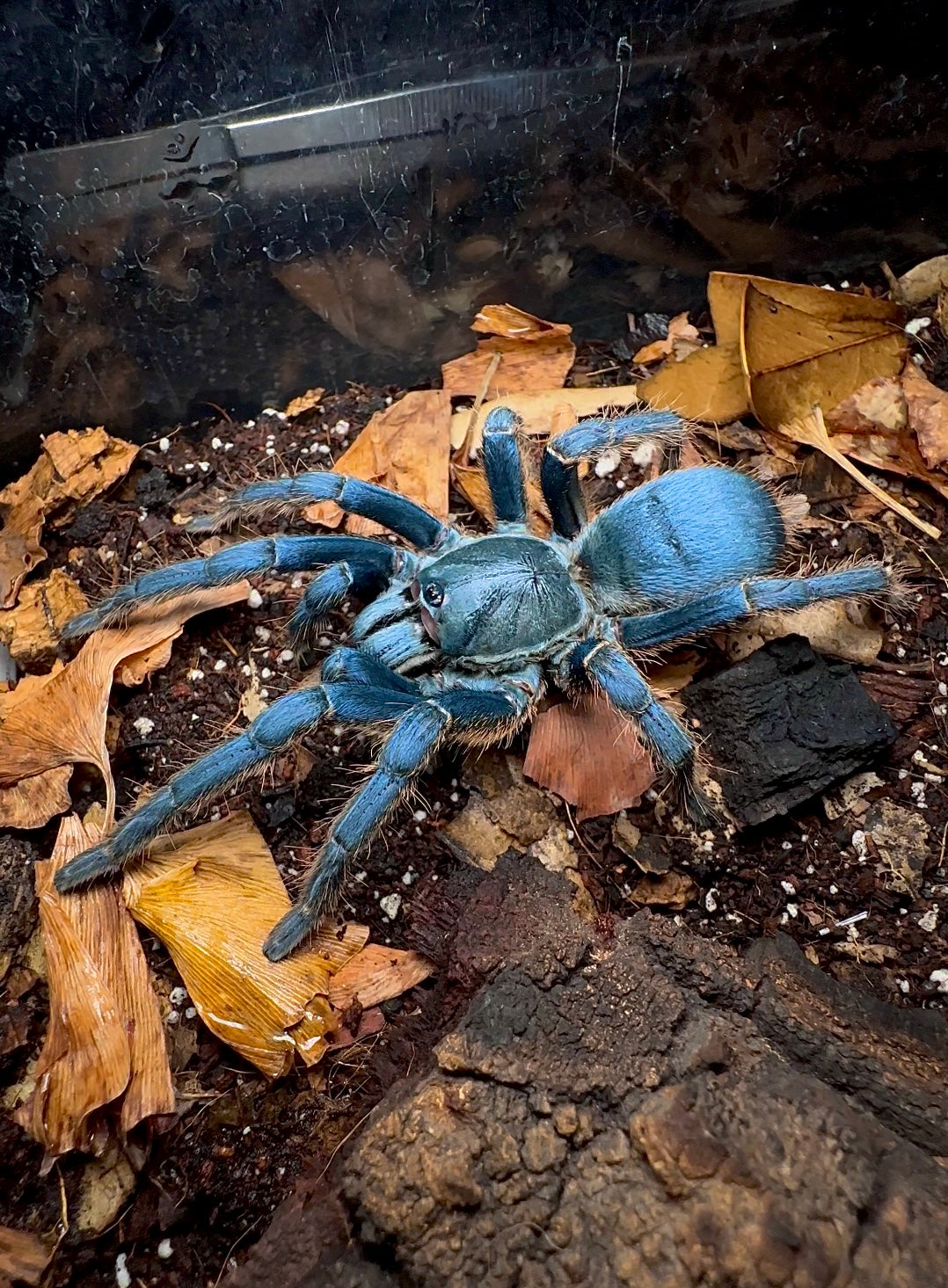
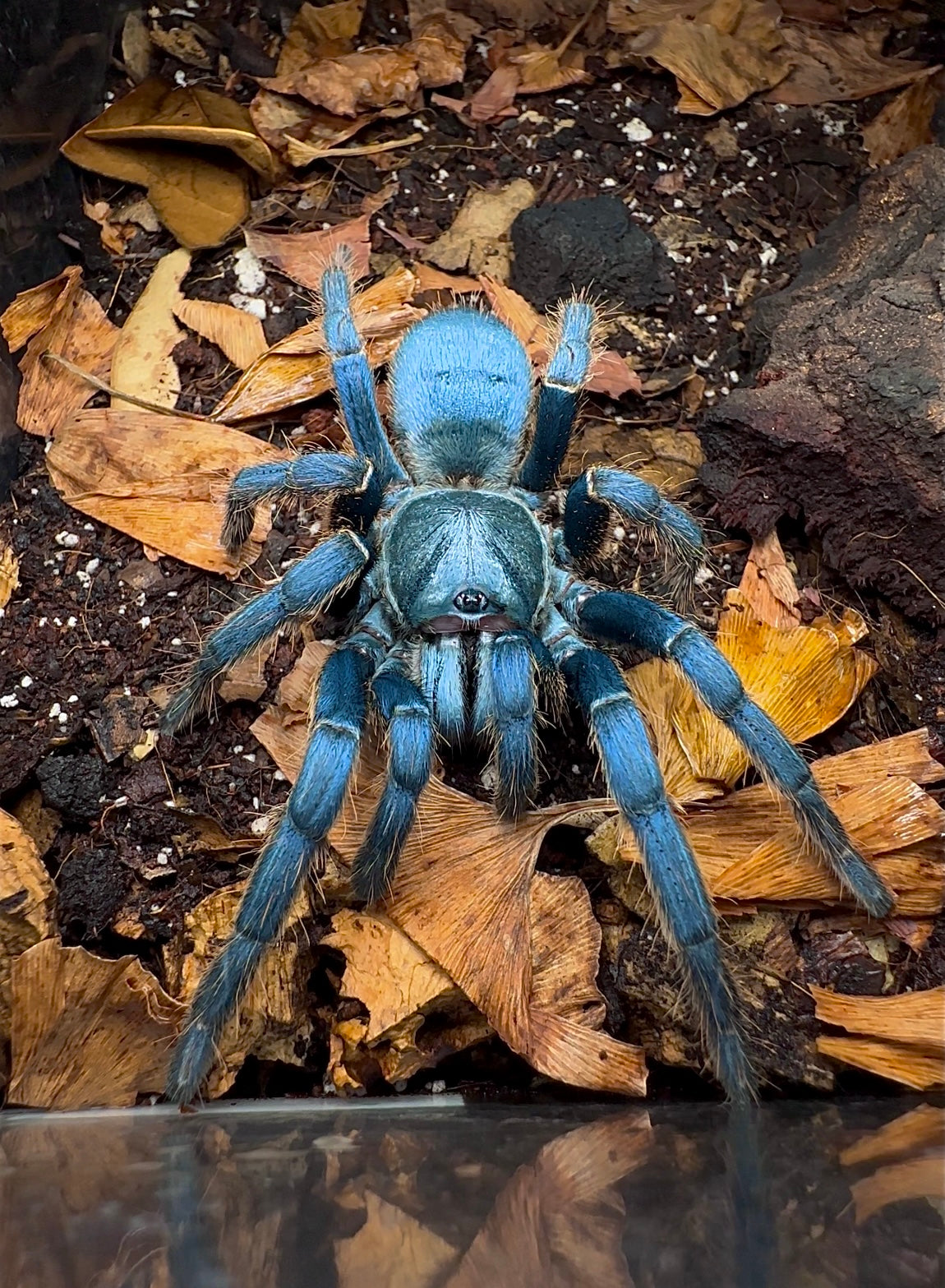
The Metallic Silver Earth Tiger (Orithoctinae sp. Vietnam Silver) 

A Surreal Metallic Tarantula 

Orithoctinae sp. Vietnam Silver is easily one of the most breathtaking Old World species to ever hit the hobby. With its surreal, almost mirror-like metallic silver-blue sheen, this tarantula looks less like a spider and more like a polished rare metal brought to life. As it matures, the coloration only becomes more vivid—an icy, electric blue glow that no camera can truly capture. From the velvety shimmer of its carapace to the full-body frost that coats its thick legs and abdomen, this species radiates a luxury presence that demands attention! 

Exotic and Exclusive

What truly elevates this species is its rarity. Virtually unheard of just a few years ago, the Vietnam Silver has only recently entered the exotic pet trade in extremely limited numbers. This isn’t just another pretty Old World tarantula—it’s a high-end collectible that may not circulate widely again. For those who like to own the rarest of the rare, this is one of those unicorn species you’ll regret passing up. 

Surprisingly Docile!

As a true Earth Tiger, this species is fossorial as slings, meaning it enjoys a deep burrow and will create a dense web tunnel system over time. That said, Adult Females are highly visible as once they reach that 5 to 6 inch legspan they become very confident, even acting more like a terrestrial than a fossorial, making them excellent display animals for Old World fans. While this species can be defensive, (especially as juveniles) they really calm down as adults!  Mature females tend not to be flighty, and with proper care/respect, they’re easy to manage With that being said, the Vietnam Silver is truly a showstopper in every sense—rare, radiant, docile and unlike anything else in the tarantula world. Whether you’re building a premium collection or just want something that drops jaws, this stunning female delivers on all fronts. Secure yours before they vanish from the market once again.

View full details
WESTSIDE TARANTULAS

Species Profile

Everything You Need To Know At A Glance.
Experience Level
Intermediate-Advanced
Temperament
Confident, Fast & Retreat-Oriented
Type
Fossorial / Old World / Earth Tiger
DLS
Adult Size
6-7” DLS
Country of Origin
Vietnam
Life Span
♀15+ Years

Care & Husbandry Guide

🏠 Enclosure & Substrate

Give Vietnam Silvers a deep fossorial enclosure with several inches of compactable substrate. Starting a burrow against the side using cork bark or a pre-dug tunnel can increase your chances of seeing the animal underground. They don’t need climbing space, so focus on substrate depth and a secure, escape-proof enclosure—these guys can move incredibly fast when disturbed.

🌡️ Temperature & Humidity

Keep this species around 72–80°F with moderate moisture and good ventilation. I prefer letting the surface dry somewhat while keeping the deeper layers of substrate slightly moist. This allows the tarantula to choose the moisture level it wants inside its burrow. Avoid both completely bone-dry conditions and soaking-wet, stagnant substrate.

 🍽️ Feeding & Water 

Vietnam Silvers have an extremely strong feeding response and can launch out of their burrow the second prey gets close. Growing specimens can be offered an appropriately sized cricket or roach about once a week, while larger animals can be fed every 7–14 days depending on body condition. Provide a clean water dish for larger specimens. If the burrow becomes sealed, don’t disturb it—the tarantula may simply be preparing to molt.

🕷️ Species-Specific Care 

Vietnam Silver Earth Tigers are hardy fossorial Old World tarantulas that are fairly straightforward to maintain once they have a proper burrow. Give them deep, compactable substrate that retains some moisture below the surface and they’ll do most of the work themselves. Once established, they spend much of their time underground or sitting right at the entrance waiting for prey.