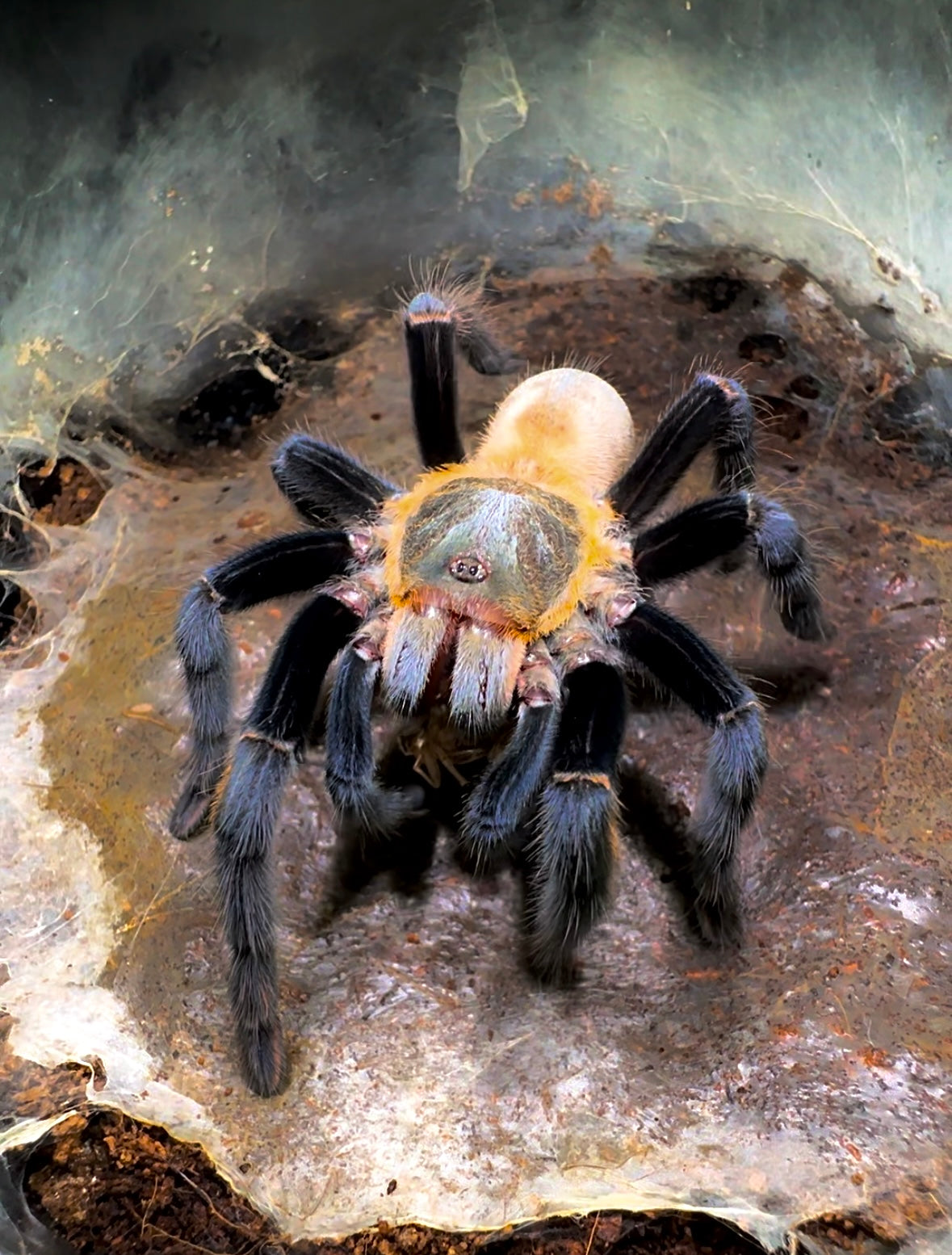
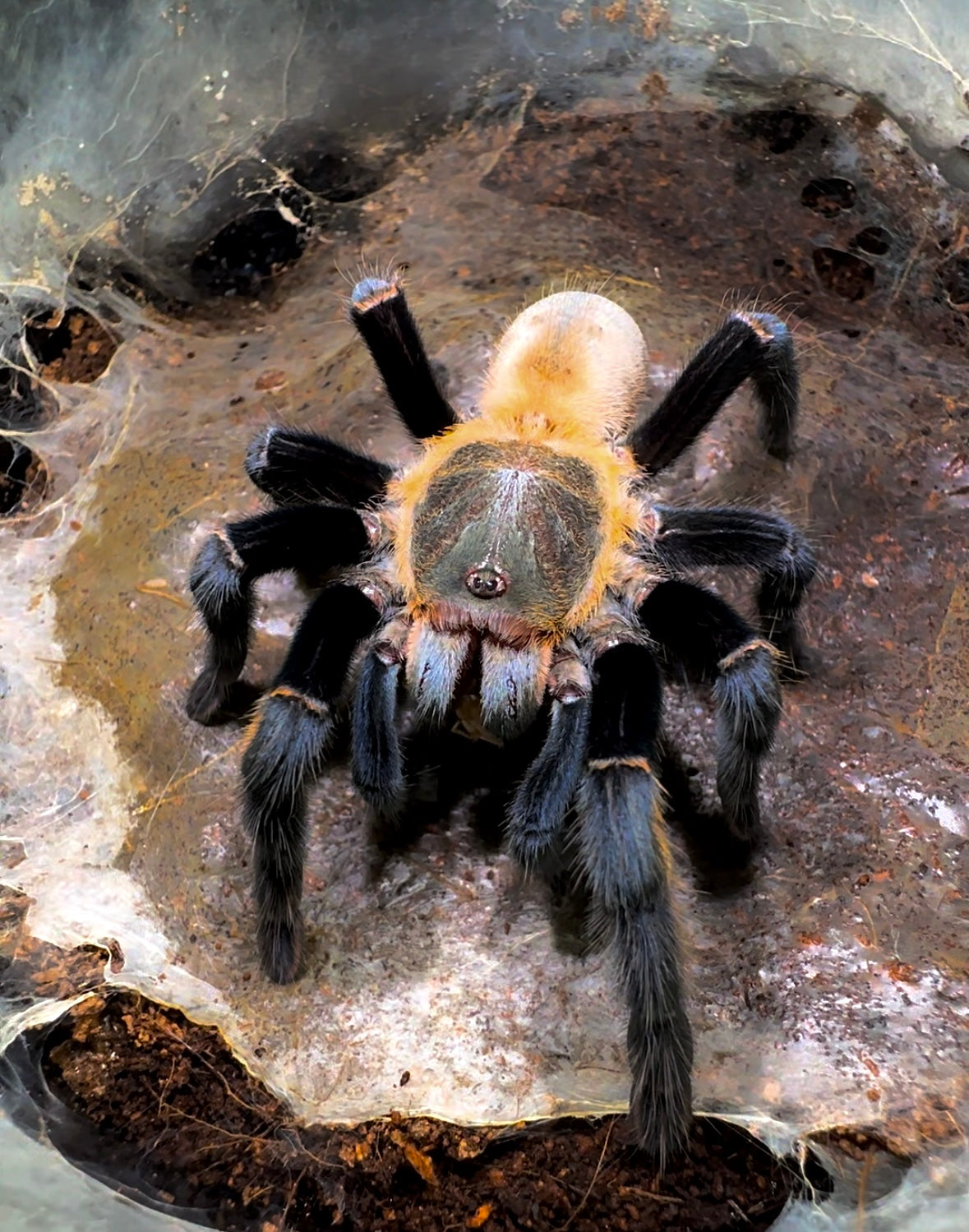
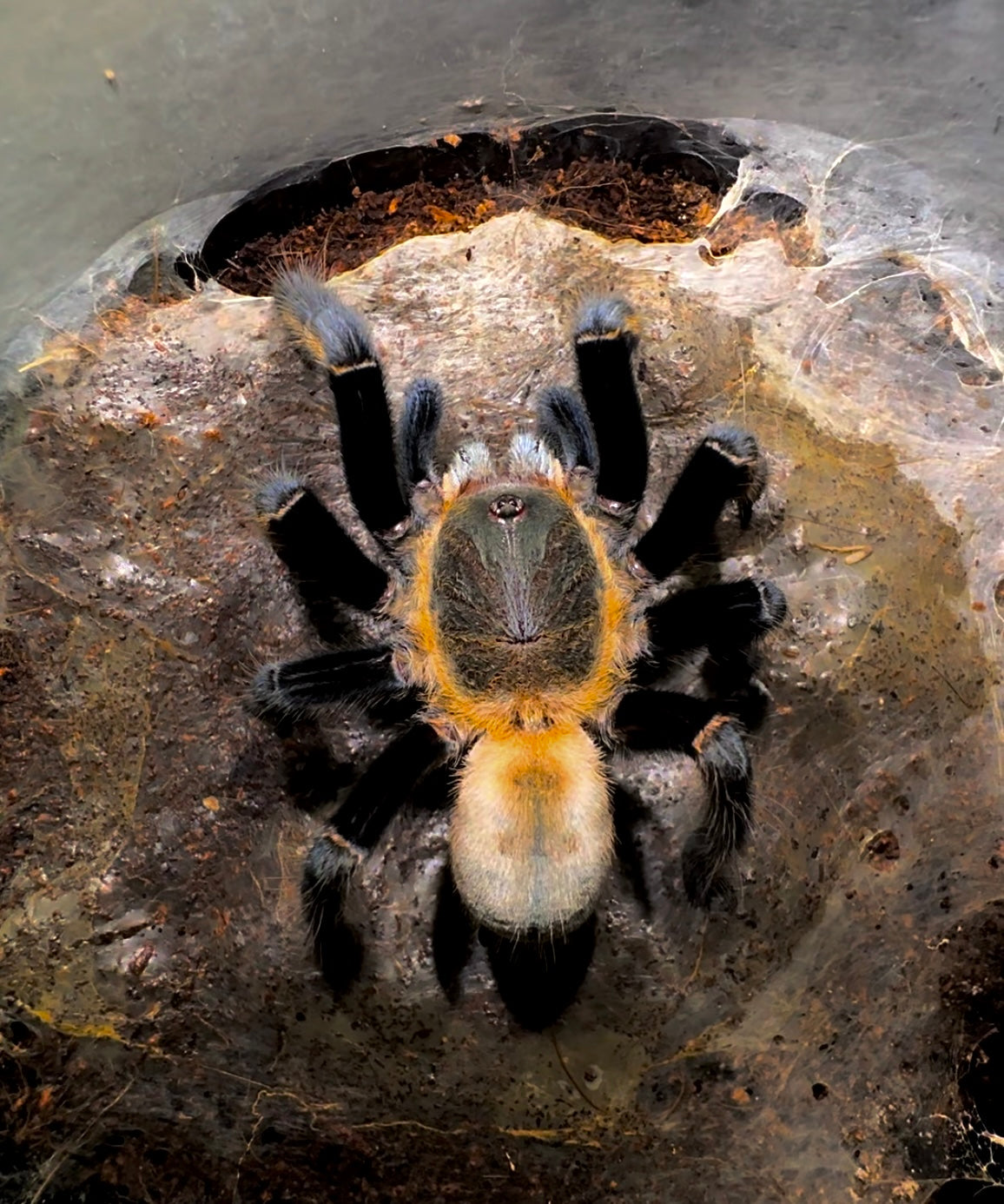
Give this species a deep fossorial enclosure with several inches of compactable substrate. Starting a burrow against the side of the enclosure with cork bark or a pre-dug tunnel can increase your chances of seeing the animal underground. They don’t need climbing space, so prioritize substrate depth and a secure enclosure—this is a fast Old World species when disturbed.Give this species a deep fossorial enclosure with several inches of compactable substrate. Starting a burrow against the side of the enclosure with cork bark or a pre-dug tunnel can increase your chances of seeing the animal underground. They don’t need climbing space, so prioritize substrate depth and a secure enclosure—this is a fast Old World species when disturbed.Give this species a deep fossorial enclosure with several inches of compactable substrate. Starting a burrow against the side of the enclosure with cork bark or a pre-dug tunnel can increase your chances of seeing the animal underground. They don’t need climbing space, so prioritize substrate depth and a secure enclosure—this is a fast Old World species when disturbed.Give this species a deep fossorial enclosure with several inches of compactable substrate. Starting a burrow against the side of the enclosure with cork bark or a pre-dug tunnel can increase your chances of seeing the animal underground. They don’t need climbing space, so prioritize substrate depth and a secure enclosure—this is a fast Old World species when disturbed.Give this species a deep fossorial enclosure with several inches of compactable substrate. Starting a burrow against the side of the enclosure with cork bark or a pre-dug tunnel can increase your chances of seeing the animal underground. They don’t need climbing space, so prioritize substrate depth and a secure enclosure—this is a fast Old World species when disturbed.Give this species a deep fossorial enclosure with several inches of compactable substrate. Starting a burrow against the side of the enclosure with cork bark or a pre-dug tunnel can increase your chances of seeing the animal underground. They don’t need climbing space, so prioritize substrate depth and a secure enclosure—this is a fast Old World species when disturbed.Give this species a deep fossorial enclosure with several inches of compactable substrate. Starting a burrow against the side of the enclosure with cork bark or a pre-dug tunnel can increase your chances of seeing the animal underground. They don’t need climbing space, so prioritize substrate depth and a secure enclosure—this is a fast Old World species when disturbed.Give this species a deep fossorial enclosure with several inches of compactable substrate. Starting a burrow against the side of the enclosure with cork bark or a pre-dug tunnel can increase your chances of seeing the animal underground. They don’t need climbing space, so prioritize substrate depth and a secure enclosure—this is a fast Old World species when disturbed.