
Skip to product information
1 of 4

Westside Tarantulas

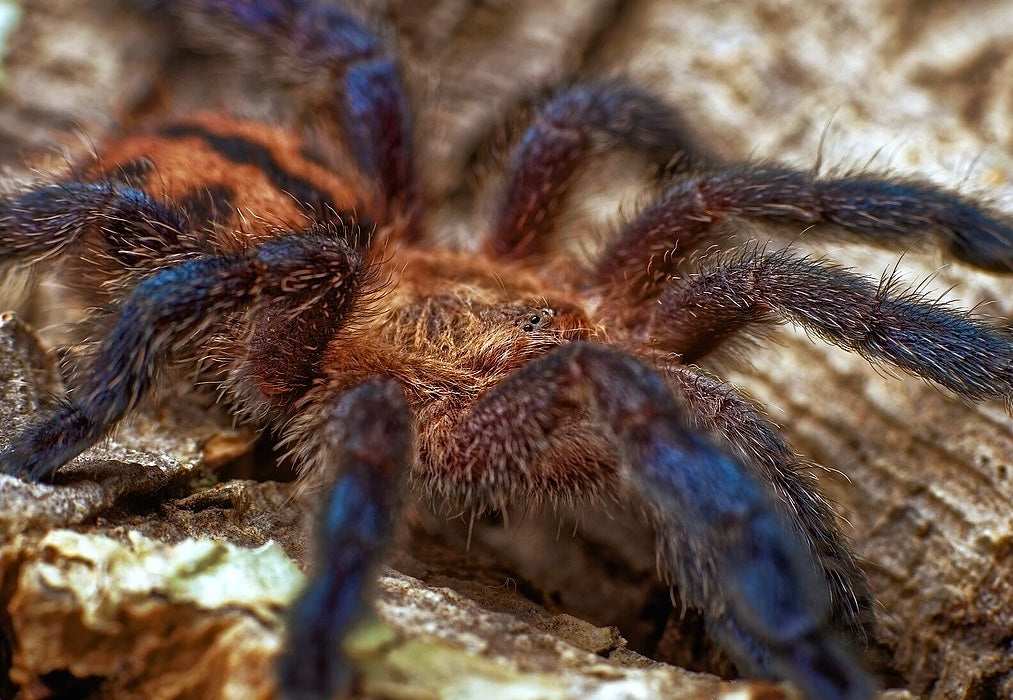
Pachistopelma bromelicola - Phantom Flare Pink Toe - Extremely Rare!

Pachistopelma bromelicola - Phantom Flare Pink Toe - Extremely Rare!

Regular price $1,750.00
Regular price Sale price $1,750.00
Sale Sold out
Shipping calculated at checkout.
Size and Sex

Phantom Flare Pink Toe Tarantulas - Pachistopelma bromelicola

The Phantom Flare Pink Toe (Pachistopelma bromelicola) is one of the rarest and most visually mesmerizing members of the Aviculariinae subfamily. Native to the bromeliad-rich Atlantic forests of Brazil, this ultra-scarce arboreal species is a true collector’s gem thats nearly impossible to find in the U.S. hobby and revered for its dramatic, multi-stage color transformation that puts even the flashiest Pinktoe relatives to shame.

A Living Firework of Color

From sling to adult, P. bromelicola undergoes one of the most striking and complex ontogenetic color shifts in the tarantula world:

- As spiderlings, they emerge with a ghostly pale blue shimmer, almost translucent in tone.

- Within a few molts, they darken into a dazzling blue and purple tarantula, with vibrant red patterned abdomen.

- As juveniles, they take on an alien appearance—midnight blue legs, a gleaming gold carapace, and a fiery orange-banded abdomen.

- By adulthood, they reveal their final form: deep royal purple legs, a frosty white head, and a bright crimson abdomen that flares like a burning ember against dark foliage.

Rare, Refined, and Easy to Keep

Despite their exotic appearance and rarity, P. bromelicola is surprisingly hardy and beginner-friendly. Their care mimics that of most Aviculariinae: high humidity, good cross ventilation, and vertical climbing space. They are fast-growing, light webbers, and moderately active, often displaying a calm temperament with occasional bursts of speed when startled. Whether you’re a serious Aviculariinae collector or simply want to own one of the most underrated and visually stunning species in the tarantula hobby, the Phantom Flare Pink Toe is a must-have that turns every molt into a show-stopping transformation. That said i only have two of these remarkably rare tarantulas in my collection… and once they’re gone, they’ll be gone for good! As this is one of those species that reappears seemingly out of nowhere before disappearing for another 5 to 10 years in only a couple of weeks time! Plus, it doesn’t help how small their egg sacks are- only producing 30 to 40 babies per sack!

View full details
WESTSIDE TARANTULAS

Species Profile

Everything You Need To Know At A Glance.
Experience Level
Beginner
Temperament
Docile, Skittish & Non-Defensive
Type
Arboreal / New World / Pinktoe
DLS
Adult Size
4”+ DLS
Country of Origin
Brazil
Life Span
♀15+ Years

Care & Husbandry Guide

🏠 Enclosure & Substrate

Use a vertical arboreal enclosure with cork bark, artificial or live foliage, and plenty of tight spaces and anchor points. Because this species naturally lives around bromeliads, I like creating several elevated pockets where the tarantula can choose to establish its retreat. Prioritize usable structure and cross ventilation over excessive open space.

🌡️ Temperature & Humidity

Keep this species around 70–78°F with moderate moisture and plenty of airflow. I wouldn’t keep the enclosure constantly wet just because they’re associated with bromeliads. Instead, provide localized moisture through occasional light misting while allowing good ventilation to prevent stagnant conditions. Think humid microclimate with fresh airflow, not a soaking-wet enclosure.

 🍽️ Feeding & Water 

P. bromelicola are reliable eaters and can be offered an appropriately sized cricket or roach about once a week while growing. Larger specimens can be fed every 7–14 days depending on body condition. Keep a small water dish available once they’re large enough, and lightly mist part of the webbing 1–2 times per week so droplets are available for drinking.

🕷️ Species-Specific Care 

Phantom Flare Pink Toes are rare Brazilian arboreals with very different habits from your typical Avicularia. This species is naturally associated with bromeliads, so I like giving them a smaller vertical setup with excellent ventilation, cork or foliage, and plenty of tight anchor points where they can build a secure webbed retreat. Once established, they’re relatively straightforward to maintain.