
Skip to product information
1 of 3

Westside Tarantulas

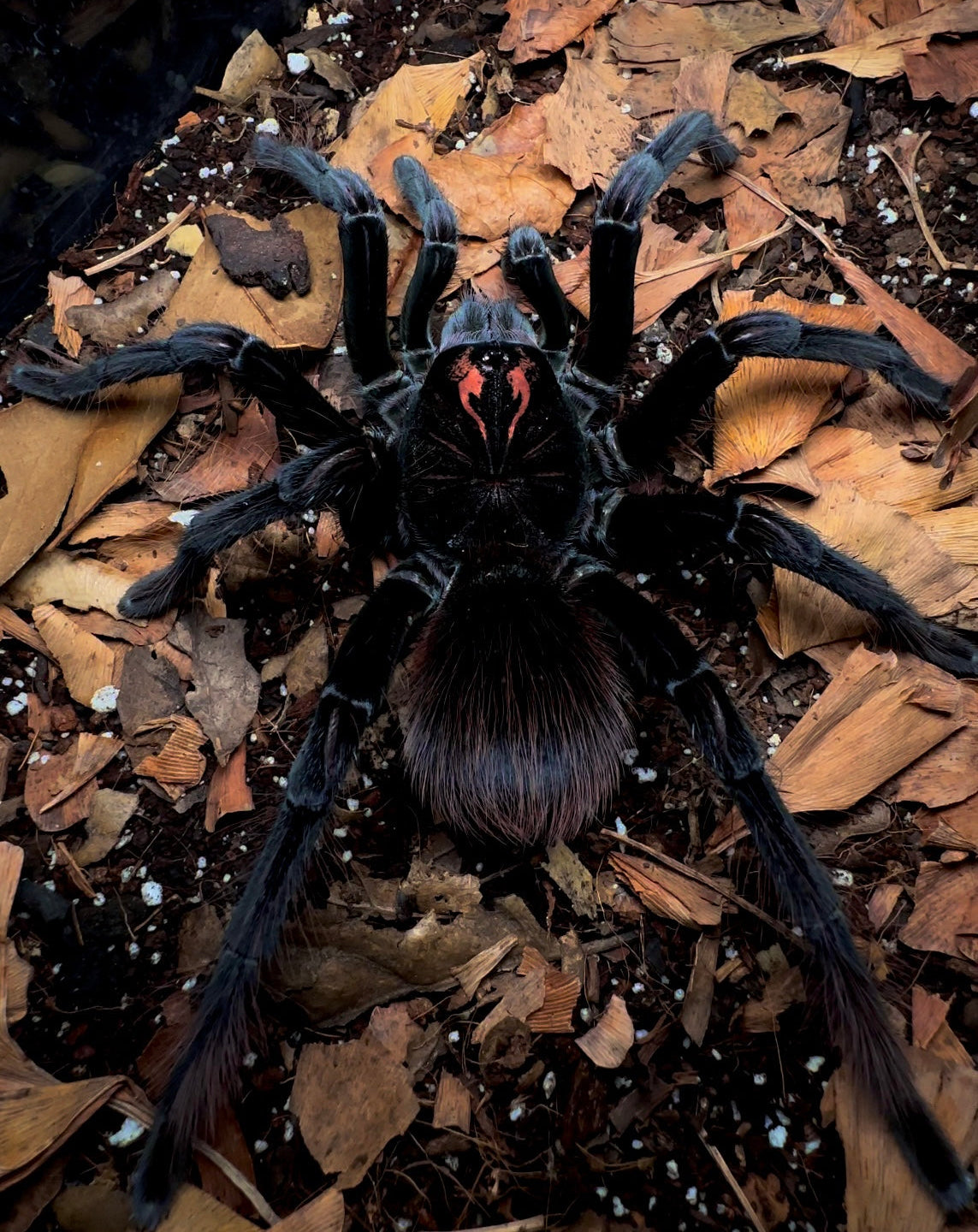
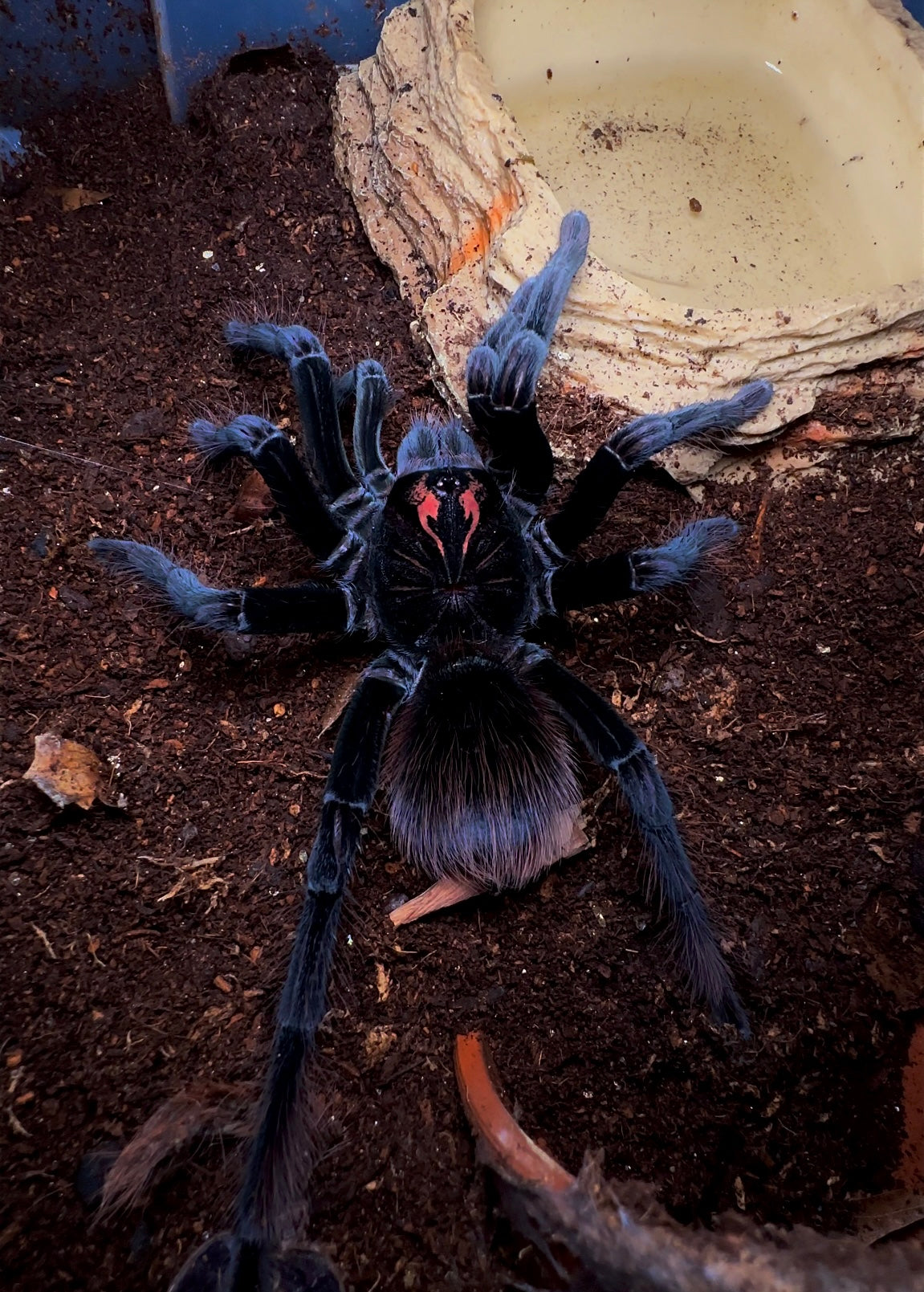
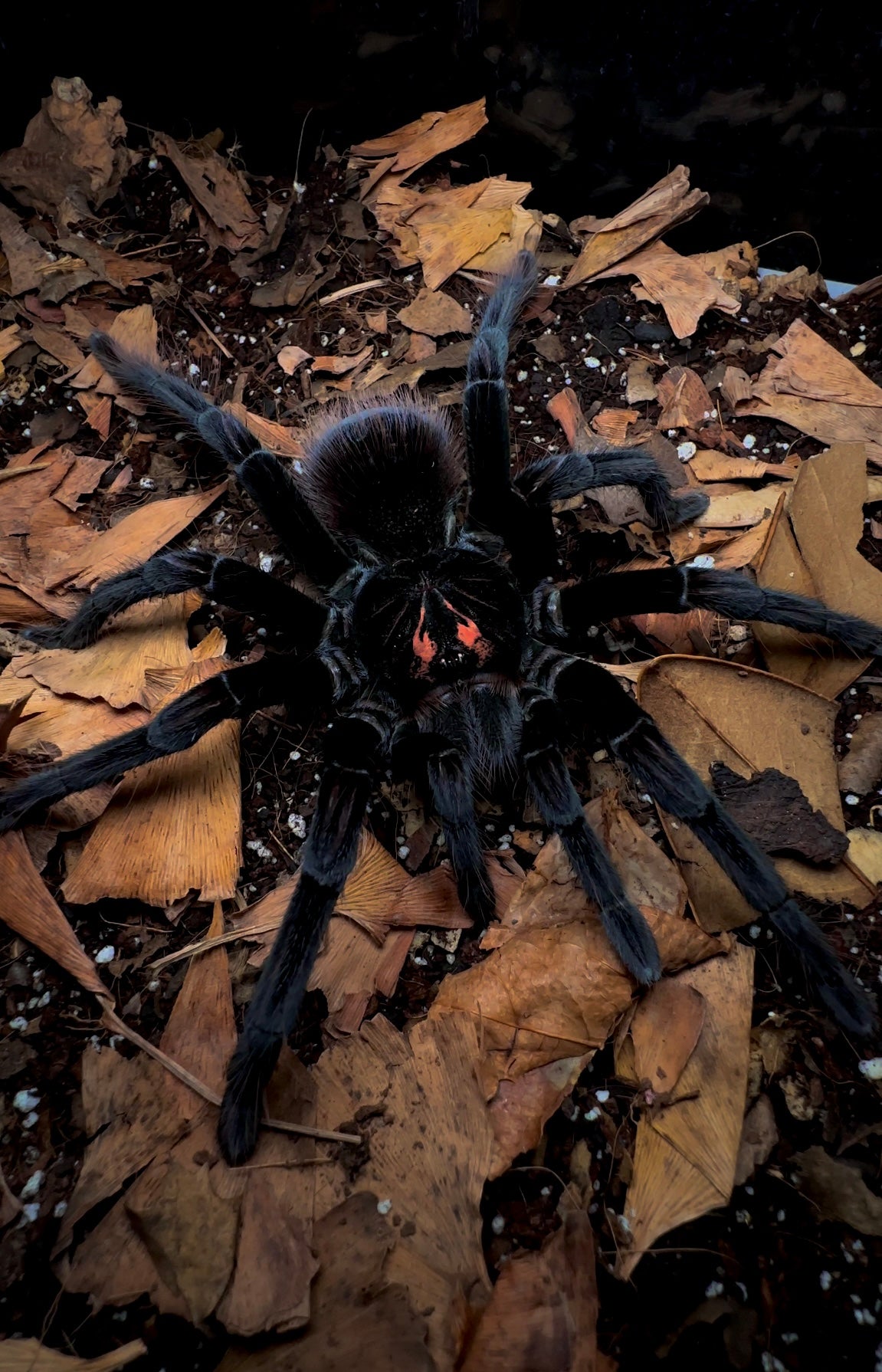
Pamphobeteus affinis nigricolor - Phantom Pink Bird Eater - For Sale

Pamphobeteus affinis nigricolor - Phantom Pink Bird Eater - For Sale

Regular price $5,000.00
Regular price Sale price $5,000.00
Sale Sold out
Shipping calculated at checkout.
Size and Sex

Phantom Pink Bird Eater (Pamphobeteus affinis nigricolor)

The True Columbian Nigricolor

Introducing the Phantom Pink Birdeater (Pamphobeteus affinis nigricolor) This remarkable species isn’t just another tarantula—it’s a legend in the making. Native to the highlands of Colombia, this ultra-rare New World giant is one of the most visually striking and misunderstood members of the Pamphobeteus genus. Reaching a jaw-dropping 9+ inches in diagonal leg span, this species stands as a colossus of the hobby with elegance, beauty, and grace.

True Identity, True Beauty

Often mistaken for the drab and common Pamphobeteus sp. nigricolor from Ecuador, the Phantom Ember Titan can be distinguished in both sling and adult form. While Ecuadorian slings flaunt that stereotypical Halloween themed Christmas tree pattern, true Pamphobeteus affinis nigricolor slings are nearly colorless—ghost-like, mysterious, and unique. As adults, there’s no comparison. Where the Ecuadorian imposter fades into muddy browns, the Colombian Phantom Pink Birdeater ignites with a silky jet-black body, blazing red abdominal setae, and a vibrant pink to rose-hued carapace that glows like a burning ember beneath the surface.

Shockingly Docile, Surprisingly Bold

Despite its massive size and intimidating presence, this species is among the calmest in the genus. My adult female has never kicked a single hair or shown defensive posturing—she’s more docile than some Aphonopelma! This makes the Phantom Pink Bird Eater not only a show-stopping display species, but one of the few giant tarantulas that seasoned keepers may feel comfortable interacting with more directly. Unlike many Pamphobeteus species that love to burrow and vanish from sight, the Phantom Ember Titan defies the norm by staying out in the open, allowing hobbyists to admire her full glory year-round. Whether perched like a queen atop her webbed fortress or charging a roach like a wrecking ball, this species delivers non-stop entertainment.

A Vanishing Rarity

This isn’t just a tarantula—it’s a ticking clock. Due to strict Colombian wildlife export bans, this species is no longer entering the trade, making each specimen in captivity part of a dwindling population. With only a handful of confirmed adults in the U.S. hobby, owning one of these titans isn’t just a flex—it’s a commitment to preserving living art.

View full details
WESTSIDE TARANTULAS

Species Profile

Everything You Need To Know At A Glance.
Experience Level
Beginner
Temperament
Confident & Tolerant of Handling
Type
Terrestrial / New World / Bird-Eater
DLS
Adult Size
7–8+” DLS
Country of Origin
Colombia
Life Span
♀25-30 Years

Care & Husbandry Guide

🏠 Enclosure & Substrate

Give Phantom Pink Bird Eaters a spacious terrestrial enclosure with several inches of compactable substrate and a cork-bark hide or starter retreat. Younger animals may dig considerably more, while larger specimens often become increasingly comfortable sitting out in the open. Because these become big, heavy-bodied tarantulas, prioritize floor space and keep excessive climbing height low.

🌡️ Temperature & Humidity

Keep this species around 70–78°F with moderate moisture and good ventilation. I prefer allowing the surface to dry somewhat between watering while keeping a little moisture deeper in the substrate. Larger specimens are fairly forgiving, but I wouldn’t keep them completely bone dry or constantly soaking wet. A water dish and occasional localized moisture work very well.

 🍽️ Feeding & Water 

These guys have the monster feeding response Pamphobeteus are known for. Growing specimens can be offered an appropriately sized cricket or roach about once a week, while larger juveniles and adults can be fed every 7–14 days depending on body condition. Keep a clean water dish available at all times and reduce feeding once the abdomen becomes noticeably plump or the animal enters premolt.

🕷️ Species-Specific Care 

Phantom Pink Bird Eaters are large, fast-growing South American terrestrials that are surprisingly straightforward to care for. Give them plenty of floor space, deep substrate, a hide, and consistent access to water. Like most Pamphobeteus, they grow quickly, eat incredibly well, and become seriously impressive animals as they mature. Despite their rarity, the actual husbandry is relatively simple.