
Skip to product information
1 of 3

Westside Tarantulas

Pamphobeteus solaris - The Colombian Supernova - For Sale! - EXTREMELY RARE!!!

Pamphobeteus solaris - The Colombian Supernova - For Sale! - EXTREMELY RARE!!!

Regular price $999.00
Regular price Sale price $999.00
Sale Sold out
Shipping calculated at checkout.
Sex and Size

The Colombian Supernova - (Pamphobeteus solaris)

The Crown Jewel of the Tarantula Hobby

There are rare tarantulas… and then there is Pamphobeteus solaris, the legendary Colombian Supernova. Widely regarded as The most desired and talked-about species in the entire hobby, this is not just another colorful Pamphobeteus. This is the species that collectors build entire collections around. Native to Colombia, P. solaris embodies everything hobbyists dream about in a showpiece tarantula: massive size, explosive coloration, bold personality, and extreme scarcity. When people say “grail species,” this is the spider they’re talking about.

A Tarantula so Breathtaking it’s Named After The Explosion Of a Star! 

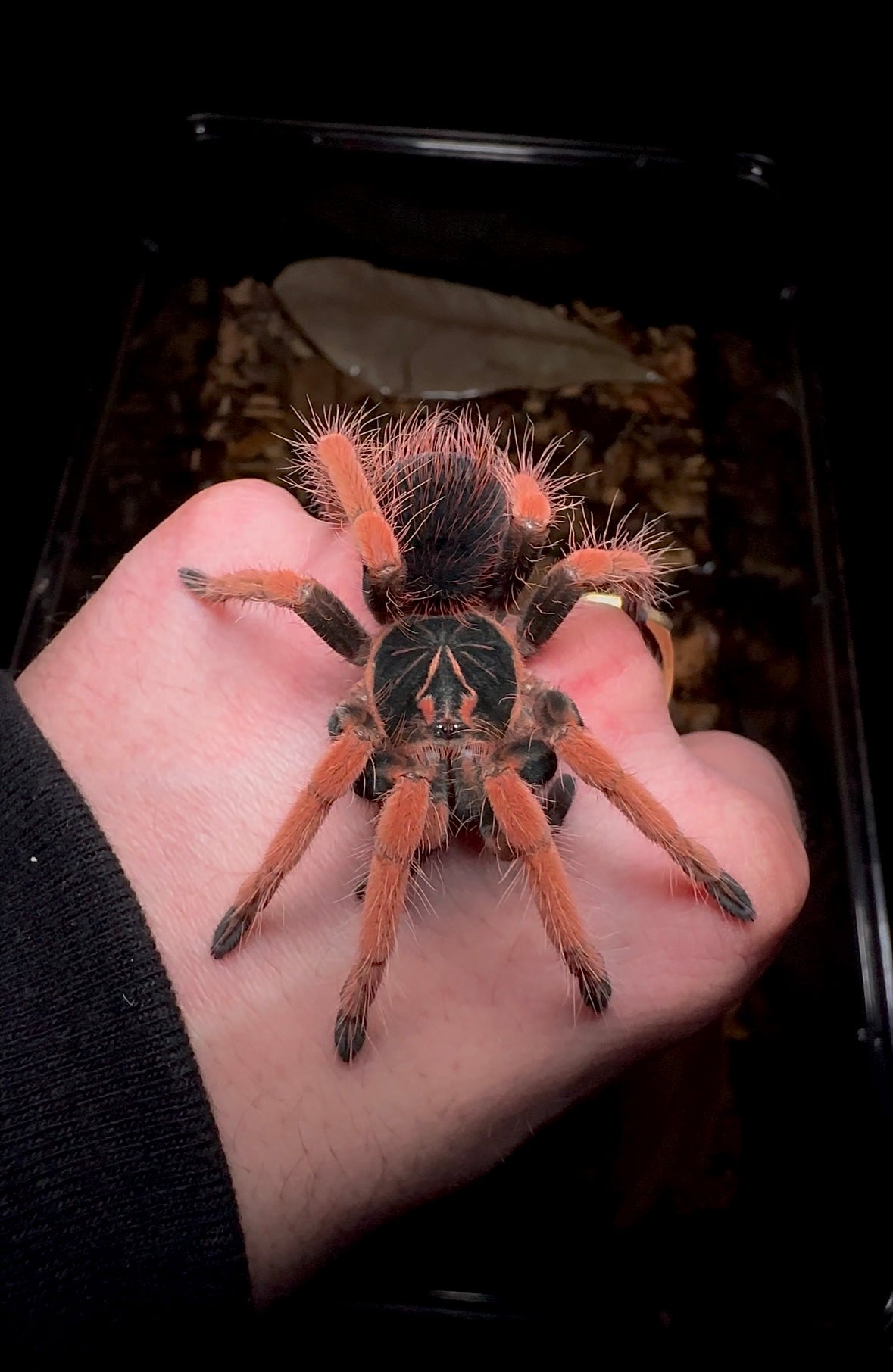
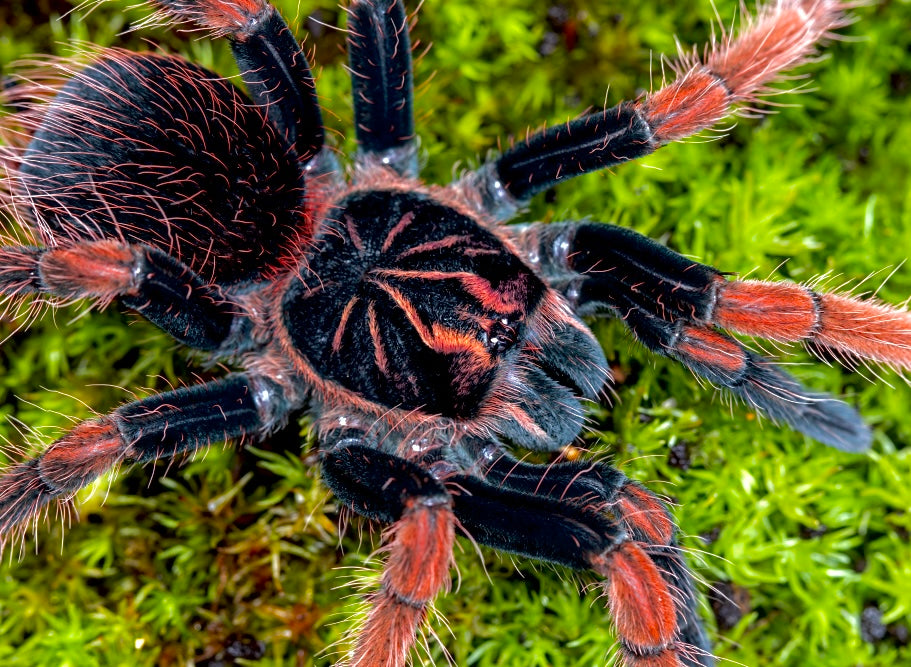
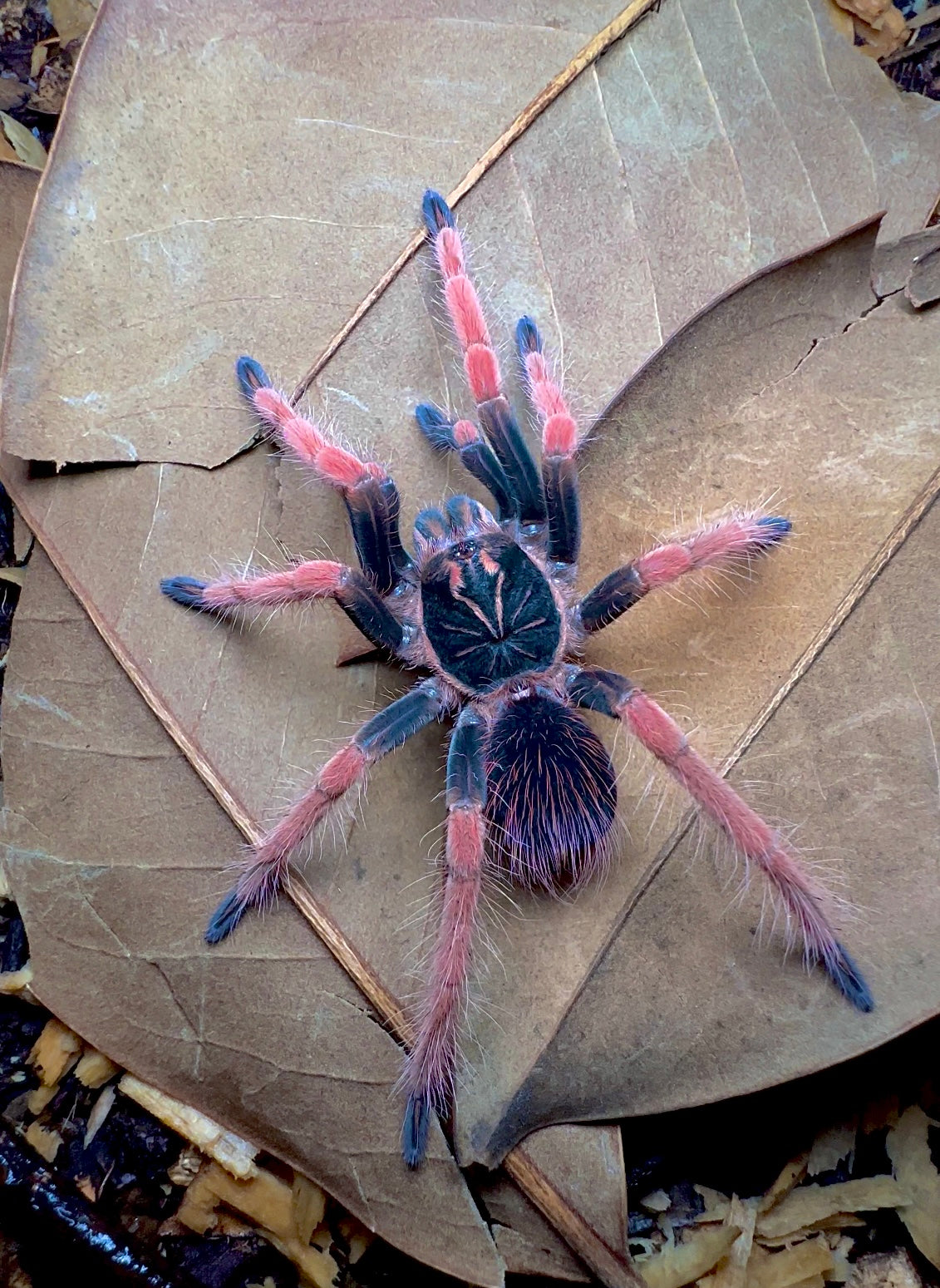
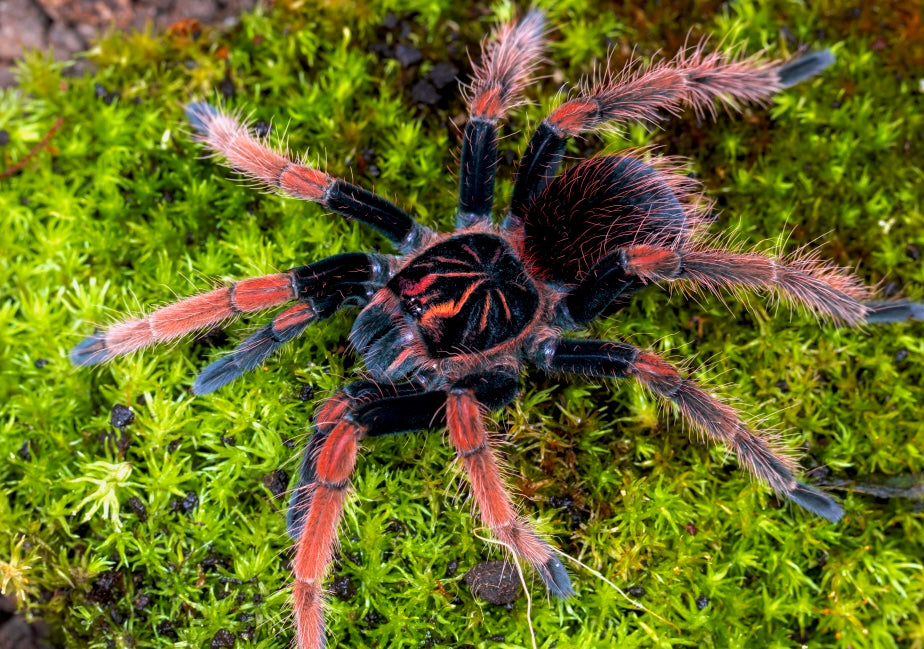
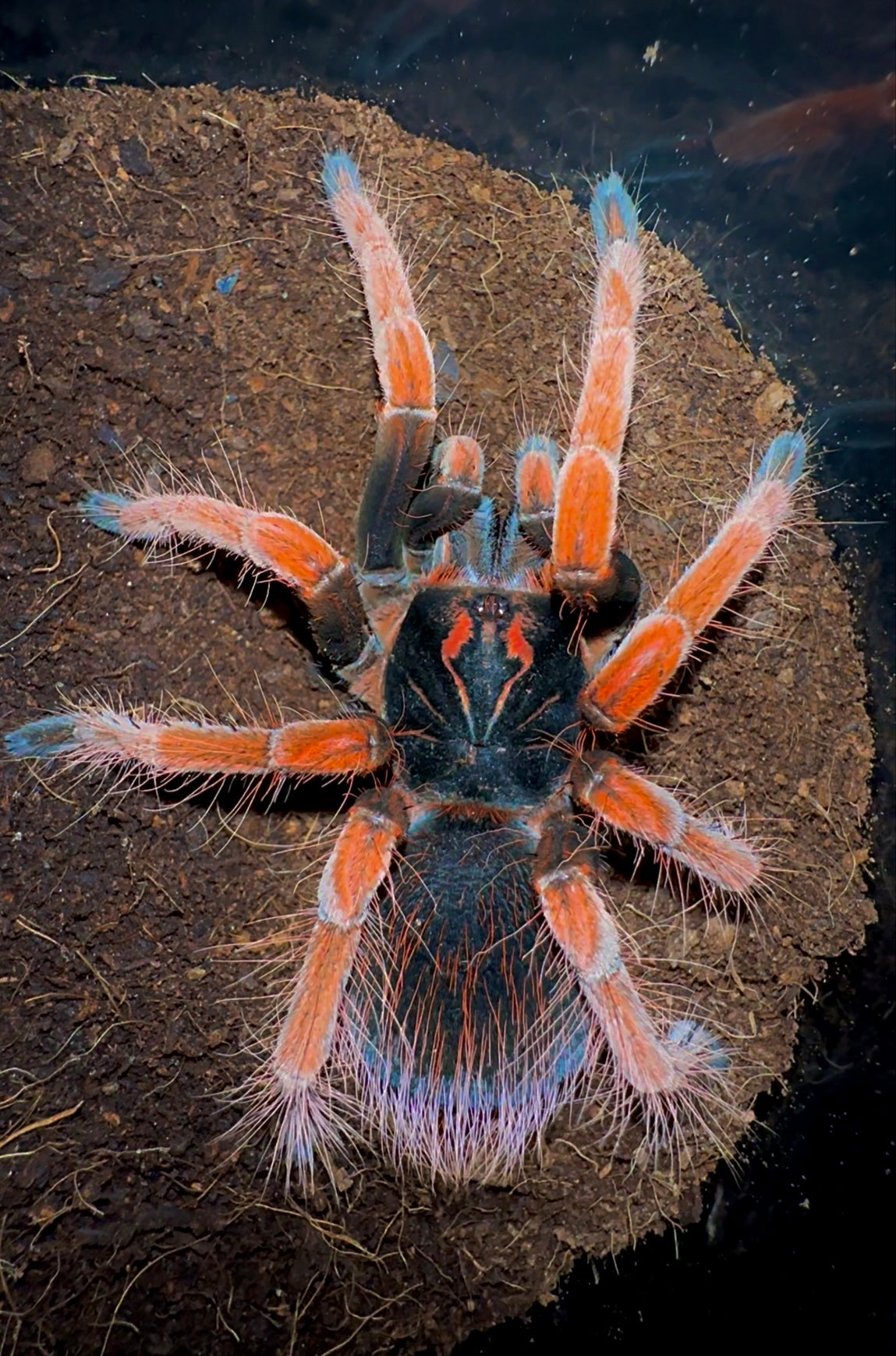
The Colombian Supernova (Pamphobeteus solaris) is a true legend among tarantulas, an elusive titan native to Colombia’s remote rainforests. This species is mythical in rarity, sought after not only for its massive size but also for its otherworldly coloration, making it a crown jewel in the tarantula-keeping community. This colossal predator is adorned with bold orange legs, a jet-black carapace with a striking pink starburst pattern, while its abdomen glows with fiery mahogany hues, reminiscent of a blazing ember in the jungle undergrowth. Getting its Latin name from the Sun its self, P. solaris radiates an aura of raw power and cosmic elegance, as if forged from pure solar energy! 

💎 Rarity & Desirability

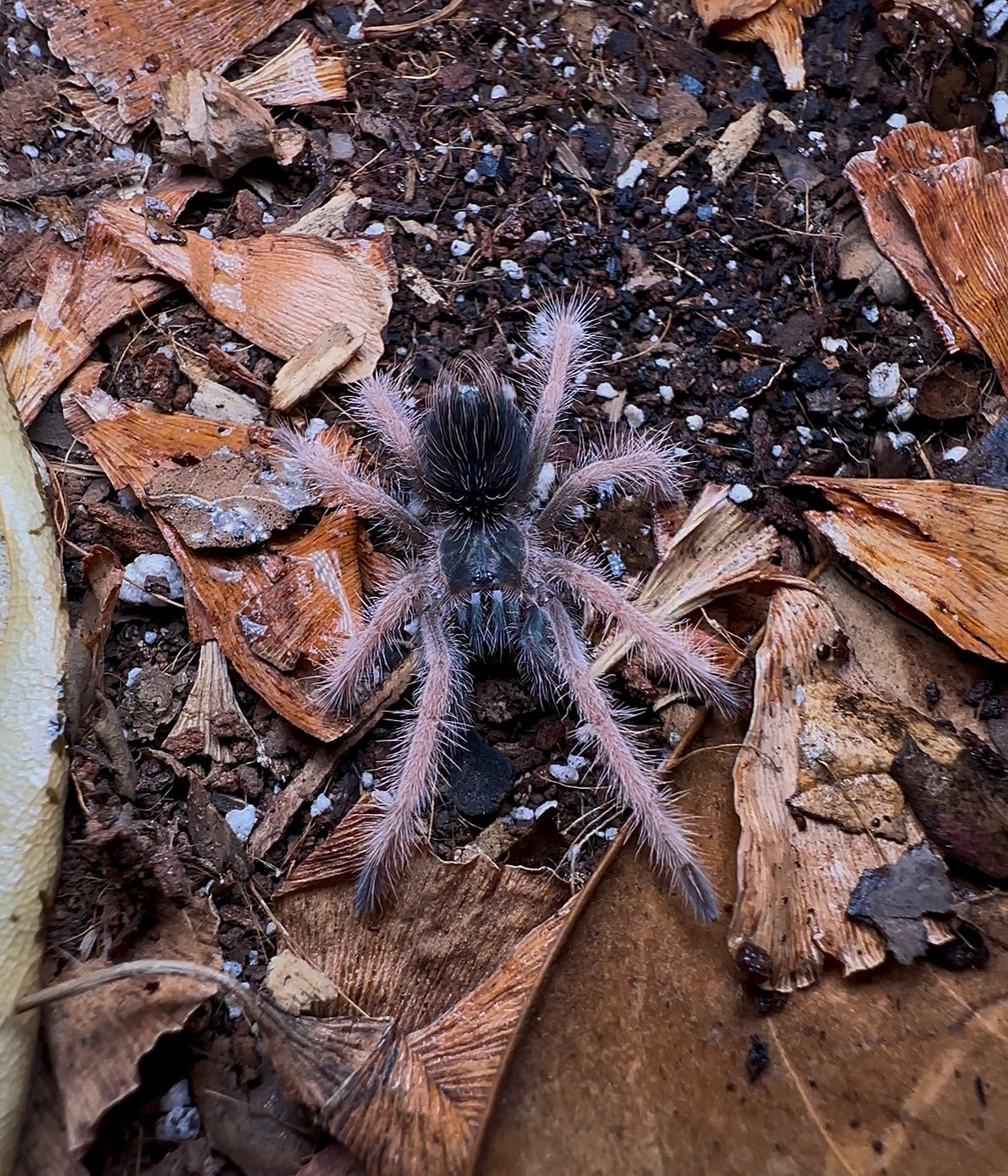
Let’s be clear: Pamphobeteus solaris is extremely rare in the U.S. hobby. Availability is practically non-existent! Import restrictions, limited breeding projects, and overwhelming demand make this species nearly impossible to obtain. When they surface, they disappear fast, often into long-term private collections. Among Pamphobeteus enthusiasts, solaris sits at the very top of the hierarchy and getting your hands on a female feels like the final boss of tarantula keeping! Unlike most Pamphobeteus species, which are often nervous hair-kickers, the Colombian Supernova is surprisingly docile and tolerant of handling! This makes it one of the most impressive and rewarding giant tarantulas for both novice and seasoned collectors. 

Why Choose Pamphobeteus solaris?

  • Rarest Pamphobeteus in the hobby
  • Massive 8+ inch adult size
  • Adult Females Display Explosive black and Orange Coloration
  • Not a Big, Brown, Pamphobeteus
  • Bold, Confident and Docile Personality 
  • True centerpiece species
  • Always out on Display 
  • Ferocious Feeding response & Fast Growing 

Opportunities to acquire Pamphobeteus solaris are few and far between. And when they appear… they don’t last.

View full details
WESTSIDE TARANTULAS

Species Profile

Everything You Need To Know At A Glance.
Experience Level
Beginner
Temperament
Confident, Bold & Food-Motivated
Type
Terrestrial / New World / Bird-Eater
DLS
Adult Size
8”+ DLS
Country of Origin
Colombia
Life Span
♀25-30 Years

Care & Husbandry Guide

🏠 Enclosure & Substrate

Give the Colombian Supernova a large terrestrial enclosure with several inches of compactable substrate and plenty of floor space. A cork-bark hide or starter retreat should be offered, especially for younger animals that may dig more. As they grow, they often become increasingly comfortable sitting completely out in the open. Keep climbing height low since these become massive, heavy-bodied tarantulas.

🌡️ Temperature & Humidity

Keep this species around 70–78°F with moderate moisture and good ventilation. I prefer allowing the surface of the substrate to dry somewhat between watering while keeping some moisture deeper down. They don’t need swampy conditions, but I also wouldn’t keep them completely bone dry. A water dish with occasional localized moisture works extremely well.

 🍽️ Feeding & Water 

P. solaris have an insane feeding response and rarely hesitate when prey hits the enclosure. Growing specimens can be offered an appropriately sized cricket or roach about once a week, while larger juveniles and females can be fed every 7–14 days depending on body condition. Keep a large clean water dish available at all times and reduce feeding whenever the abdomen becomes noticeably plump or the animal enters premolt.

🕷️ Species-Specific Care 

Colombian Supernovas are large, fast-growing, and surprisingly straightforward to care for despite being one of the rarer Pamphobeteus in the hobby. They do best in a spacious terrestrial setup with deep substrate, a hide, and constant access to fresh water. Like other Pamphobeteus, they grow quickly, eat extremely well, and become massive display animals as they mature.