
Skip to product information
1 of 4

Westside Tarantulas

Pamphobeteus sp. Aquatica – Frozen Flame Back Bird Eater - For Sale!

Pamphobeteus sp. Aquatica – Frozen Flame Back Bird Eater - For Sale!

Regular price $10,000.00
Regular price Sale price $10,000.00
Sale Sold out
Shipping calculated at checkout.
Size and Sex

The Frozen Flame Bird Eater - (Pamphobeteus sp. Aquatica)

A Newly Emerged Blue Behemoth! 

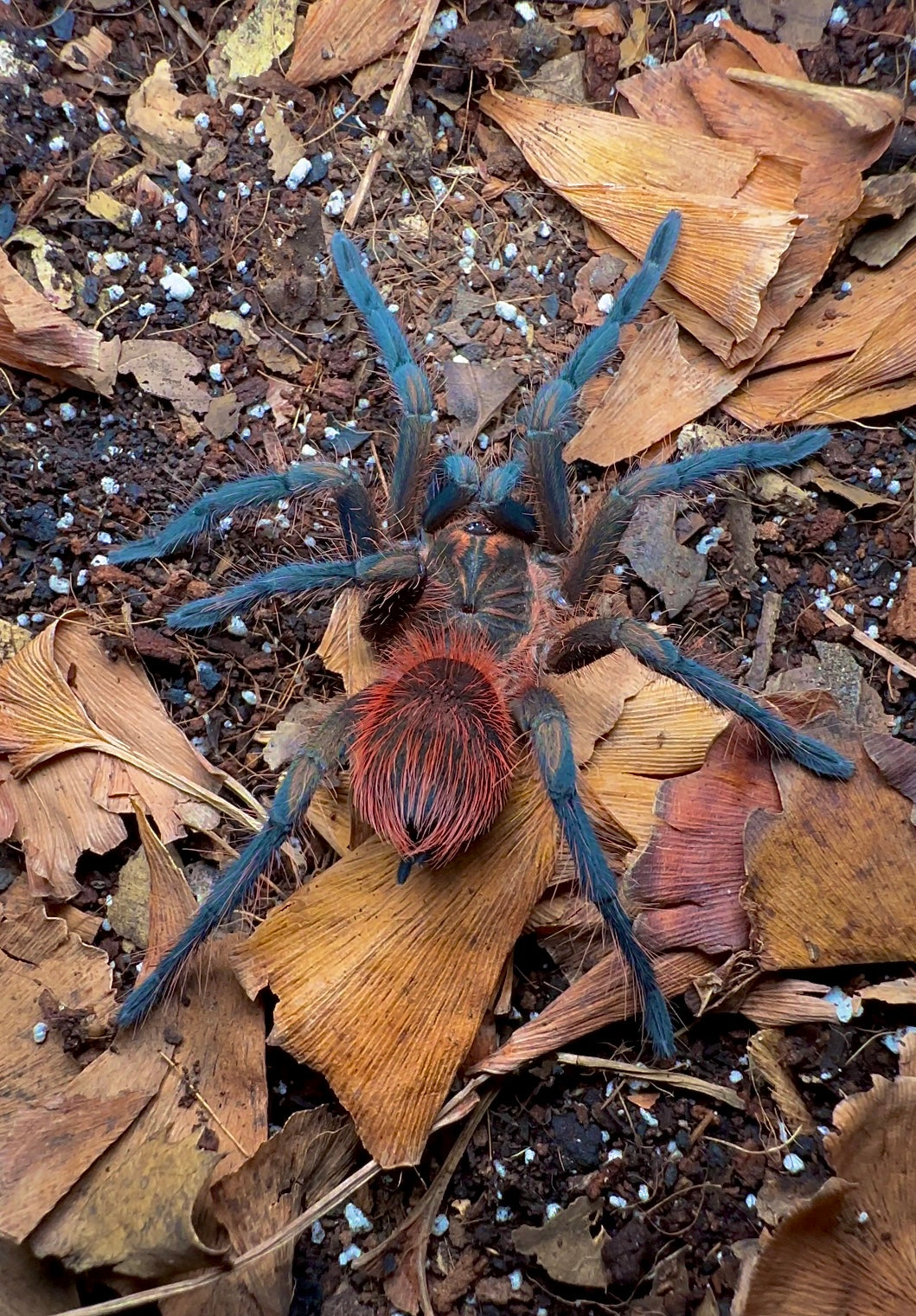
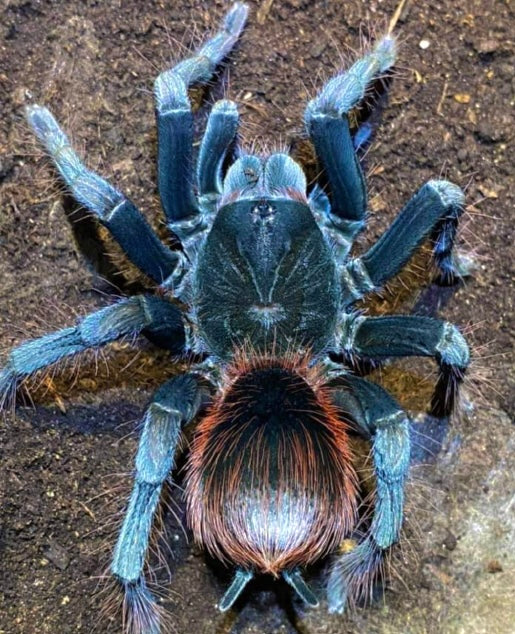
Introducing Pamphobeteus sp. aquatica, affectionately referred to as the Frozen Flame Bird Eater—a newly introduced and still scientifically undefined member of the Pamphobeteus genus that has recently made its way into the U.S. hobby. What sets this species apart is its surreal, oceanic blue coloration that glows vividly under light—a trait that inspired the name “Aquatica,”

Unrivaled Color Transformation

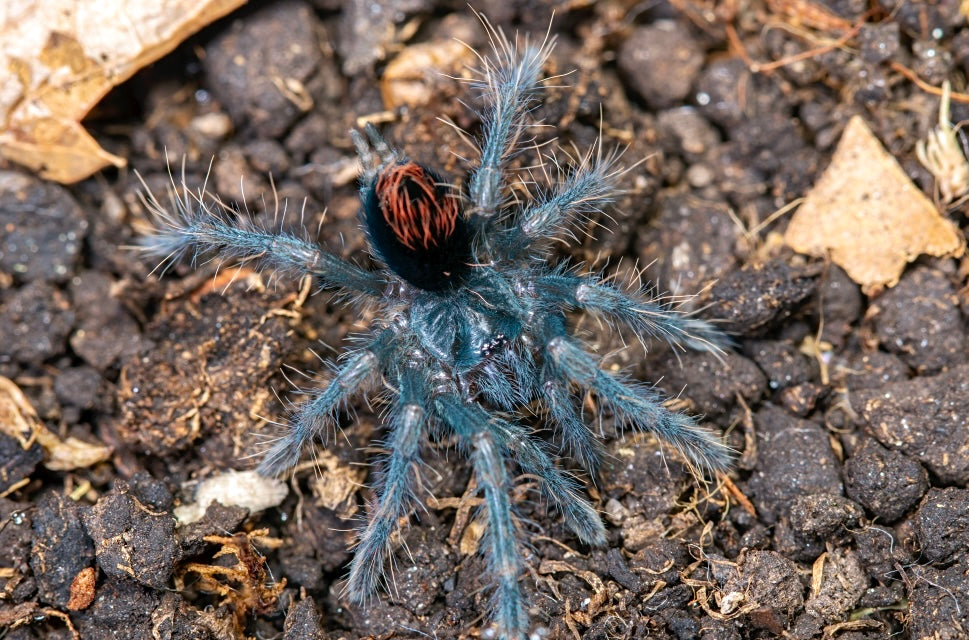
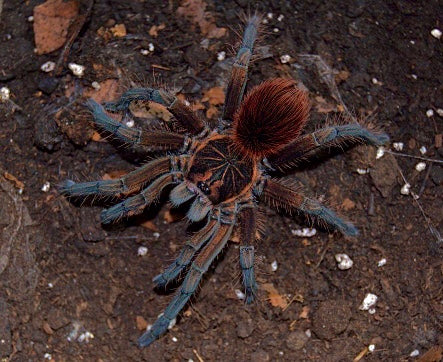
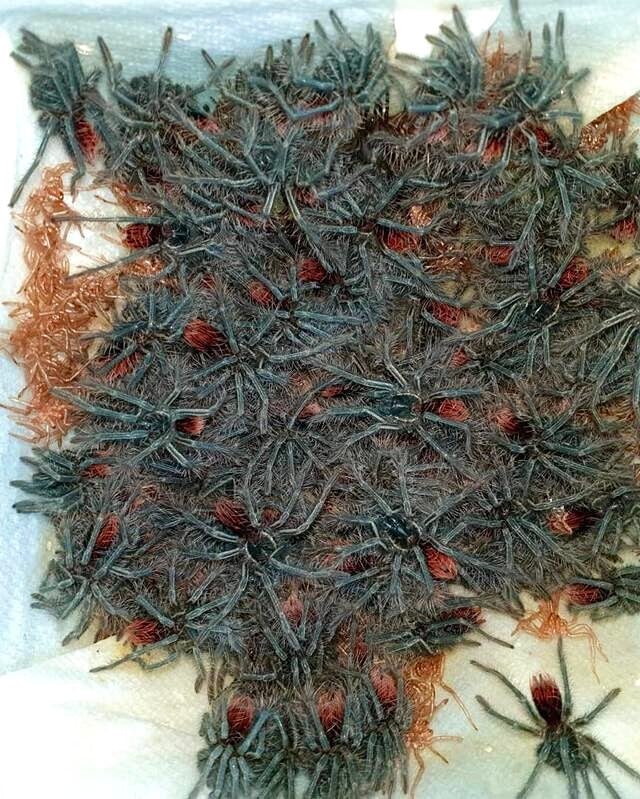
What makes Pamphobeteus sp. Aquatica truly stand out is its bold/breathtaking color evolution. As slings and young juveniles, they flaunt a metallic teal-blue coat with a fiery, blood-red abdomen—already hinting at their future magnificence. As they grow into larger juveniles, this blue deepens and transitions into a darker bronze-magenta hue that shimmers with iridescence. Eventually, in young adulthood, their carapace and legs darken, giving off an elegant, almost obsidian tone. But upon maturity, Pamphobeteus sp. Aquatica undergoes its final transformation—that legendary aquatic blue returns in full force, now enriched by shimmering Aquamarine undertones, making adult female’s one of the most photogenic Pamphobeteus species ever documented and the only Pamphobeteus with true blue coloration! 

Size, Care, and Temperament

As you can imagine, The Aquatica is a large terrestrial tarantula, expected to reach a full leg span of 7+ inches. They are voracious feeders, fast growers, and display bold but generally manageable behavior. Slings and juveniles are definitely on the skittish side… but once they reach 4+ inches DLS they really mellow out and are particularly tolerant of handling! I recommend keeping this species in a terrestrial setup with slightly humid conditions and a spacious layout! Keep in mind, the Frozen Flame Back Bird Eater Doesn’t build burrows in captivity allowing for those gorgeous colors to stay out on display all day! I personally provide 3 inches of substrate along with a water dish. If you provide all this, they’ll reward you with an incredible growth rate, a relaxed temperament, and jaw-dropping color changes at every stage of development.

Why This Species Is a Must-Have

Weather you’re a collector of the Pamphobeteus genus or someone fascinated by giant tarantulas, or maybe simply a keeper who loves vibrant, transformative coloration… Pamphobeteus aquatica hits on all fronts. With its docile personality, dramatic color shifts, and large size, this species embodies everything a serious enthusiast looks for—rarity, unparalleled coloration, and untapped potential. Secure this pair now before this aquatic blue marvel becomes the next big thing in the tarantula world!

View full details
WESTSIDE TARANTULAS

Species Profile

Everything You Need To Know At A Glance.
Experience Level
Beginner-Intermediate
Temperament
Confident, Food-Responsive & Bold
Type
Terrestrial / New World / Bird-Eater
DLS
Adult Size
7–8+” DLS
Country of Origin
Colombia
Life Span
♀25-30 Years

Care & Husbandry Guide

🏠 Enclosure & Substrate

Terrestrial enclosure with generous floor space and several inches of compactable coco fiber/soil-based substrate. Provide a cork-bark hide and water dish, with minimal open climbing height.

🌡️ Temperature & Humidity

Maintain approximately 70–75°F with moderate humidity. Slight moisture in the lower substrate is beneficial, but avoid saturated or stagnant conditions. Good ventilation is essential.

 🍽️ Feeding & Water 

Feed juveniles 1–2 appropriately sized prey items weekly. Larger specimens can be offered large crickets or appropriately sized roaches every 7–10 days. Keep a clean water dish available at all times.

🕷️ Species-Specific Care 

Provide a spacious terrestrial setup with deep, compactable substrate, a hide, and a large water dish. Keep the lower substrate slightly moist while maintaining strong ventilation. As a large, heavy-bodied tarantula, keep climbing distance minimal to reduce the risk of injury from falls.Provide a spacious terrestrial setup with deep, compactable substrate, a hide, and a large water dish. Keep the lower substrate slightly moist while maintaining strong ventilation. As a large, heavy-bodied tarantula, keep climbing distance minimal to reduce the risk of injury from falls.