
Skip to product information
1 of 7

Westside Tarantulas

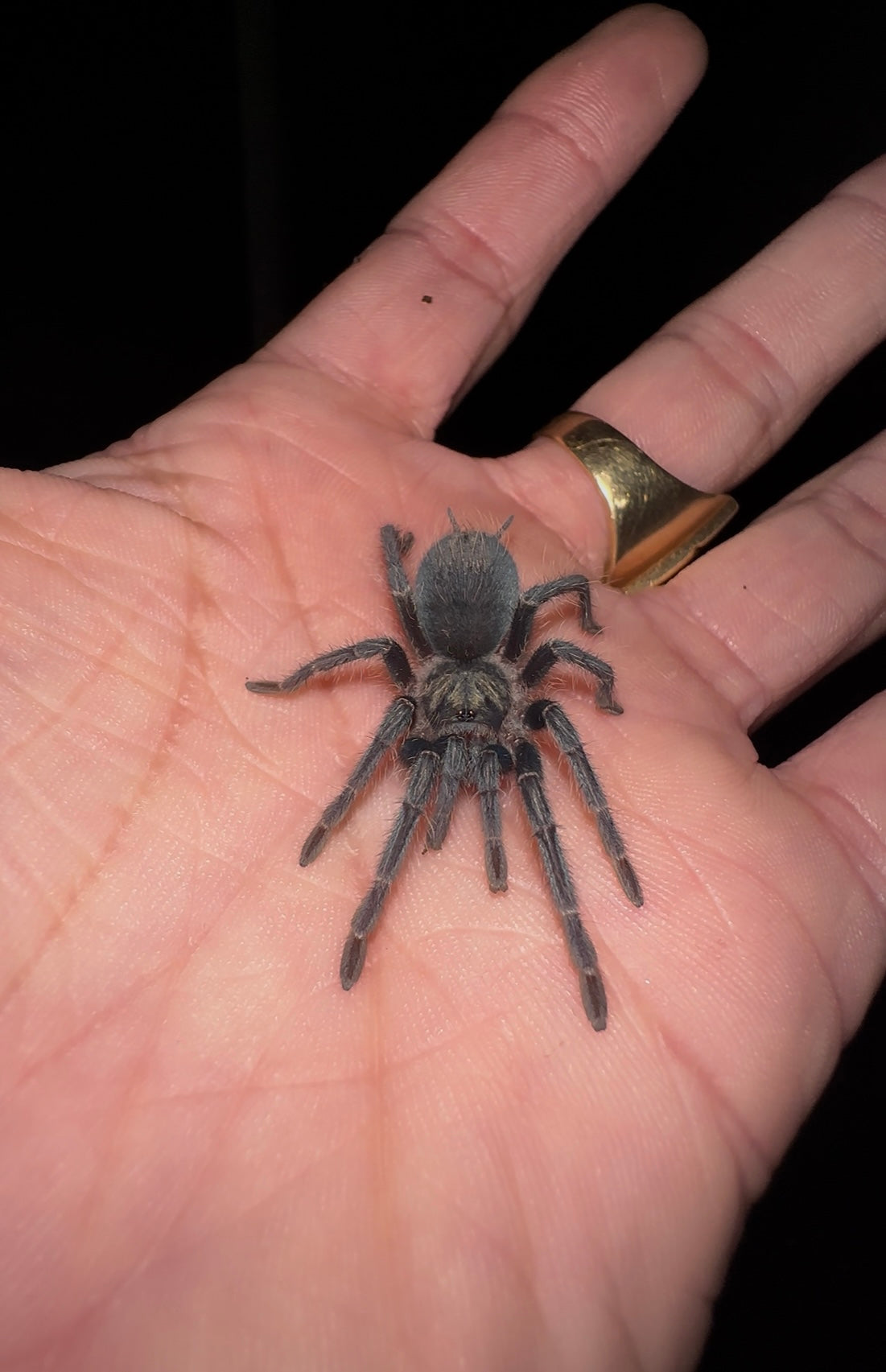
Phormictopus sp. Dominican Purple - Gargantuan Purple Giant - For Sale

Phormictopus sp. Dominican Purple - Gargantuan Purple Giant - For Sale

Regular price $750.00
Regular price Sale price $750.00
Sale Sold out
Shipping calculated at checkout.
Size and Sex

The Gargantuan Purple Giant (Phormictopus sp. Dominican Purple)

Looking for your next standout showpiece? Meet the Dominican Purple — a massive New World terrestrial from the Phormictopus genus that brings size, shimmer, and serious hunger to the table. This isn’t your average big brown spider. As they mature, these tanks of the tarantula world develop a rich, metallic purple glow over their carapace and femurs that looks straight-up radioactive under the right light. Add in their powerful build and gluttonous appetite, and you’ve got one of the most visually and behaviorally satisfying tarantulas in the hobby.

Metallic Majesty in Motion

While slings and juveniles start out looking solid Blue, but don’t be fooled — each molt brings more saturated purples, glossy gunmetal tones, and deep inky hues that shimmer across their body like oil on asphalt. Adult females often look like they’ve been airbrushed in liquid violet, especially right after a molt., Under natural sunlight or LED, their true beauty explodes into view.

A Bold and Beefy Terrestrial Powerhouse

This species doesn’t just look powerful—it embodies it. The Dominican Purple is large, leggy, and bold, regularly reaching 8 to 9 inches in DLS. They are active bulldozers that will happily rearrange their enclosure, taking down food like a machine. Feeding time is where they shine—expect explosive feeding responses and a “no prey left behind” attitude. You’ll be captivated by how confidently they stalk and subdue their prey.

Fast Growing with a Wild Appetite

Unlike many of their slow-growing New World cousins, Phormictopus are notorious for their fast growth rates—especially when kept warm and fed regularly. This makes them an excellent candidate for hobbyists who love watching their tarantulas evolve quickly from sling to beast. Just be sure to keep those tongs handy—this species has zero patience when it feels the presence of food!

View full details
WESTSIDE TARANTULAS

Species Profile

Everything You Need To Know At A Glance.
Experience Level
Beginner
Temperament
Bold, Confident, Extremely Food-Responsive & Docile
Type
Terrestrial / New World / Giant Species
DLS
Adult Size
7–8”+ DLS
Country of Origin
Dominican Republic
Life Span
♀25-30+ Years

Care & Husbandry Guide

🏠 Enclosure & Substrate

Give this species a wide terrestrial enclosure with 4–6+ inches of compactable substrate, particularly for younger specimens that may burrow extensively. Add partially buried cork bark to create a starter retreat. Adults need considerably more floor space than height, and established specimens often become more visible as they mature. Keep climbing distance low because these become extremely large, heavy-bodied tarantulas. 

🌡️ Temperature & Humidity

Keep Dominican Purples around 72–82°F. Instead of trying to maintain an exact humidity percentage, focus on a moisture gradient—slightly moist substrate in one portion of the enclosure with another area allowed to become noticeably drier. This gives the tarantula control over where it wants to sit while avoiding a constantly saturated enclosure. Good ventilation is important whenever you’re maintaining moist substrate. 

 🍽️ Feeding & Water 

This species has the monster appetite Phormictopus are famous for. Slings and juveniles can be offered appropriately sized crickets or roaches about once a week, while larger specimens can be fed every 7–14 days depending on body condition. Keep a large clean water dish available at all times. They’re quick-growing animals, and keepers specifically report strong feeding and rapid development in Dominican Purple. 

🕷️ Species-Specific Care 

Dominican Purples are big, fast-growing terrestrial tarantulas that appreciate more moisture than the drier Caribbean Phormictopus forms. Give them deep substrate, a secure cork-bark retreat, and plenty of floor space. Keep a portion of the substrate consistently slightly moist while allowing the upper surface and opposite side to dry somewhat between waterings. They can dig considerably when young, so don’t skimp on substrate just because they’re terrestrial.