
Skip to product information
1 of 3

Westside Tarantulas

Phormictopus sp. Sierra Del Borocco - Goliath Midnight Nebula - For Sale

Phormictopus sp. Sierra Del Borocco - Goliath Midnight Nebula - For Sale

Regular price $950.00
Regular price Sale price $950.00
Sale Sold out
Shipping calculated at checkout.
Size and Sex

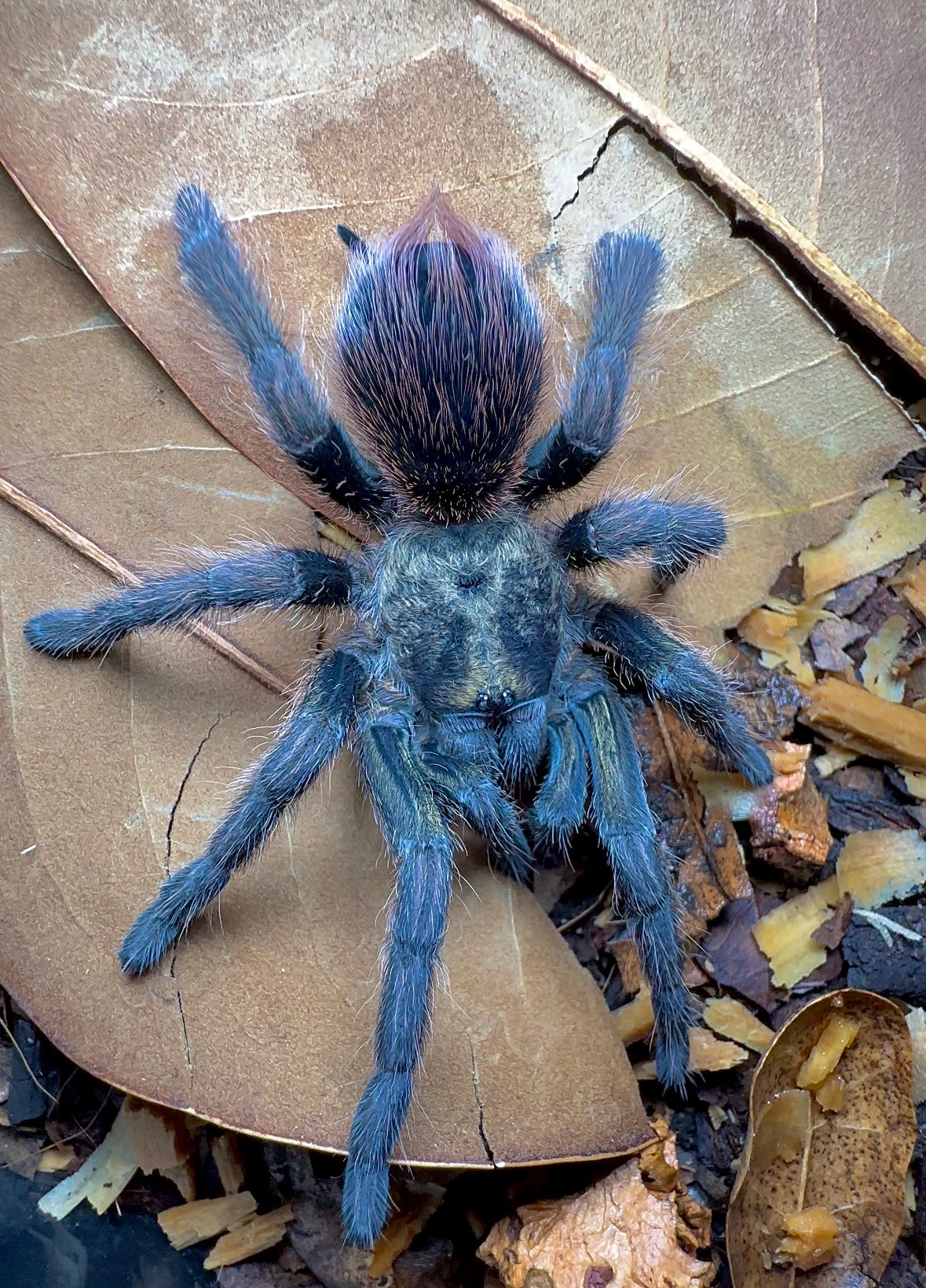
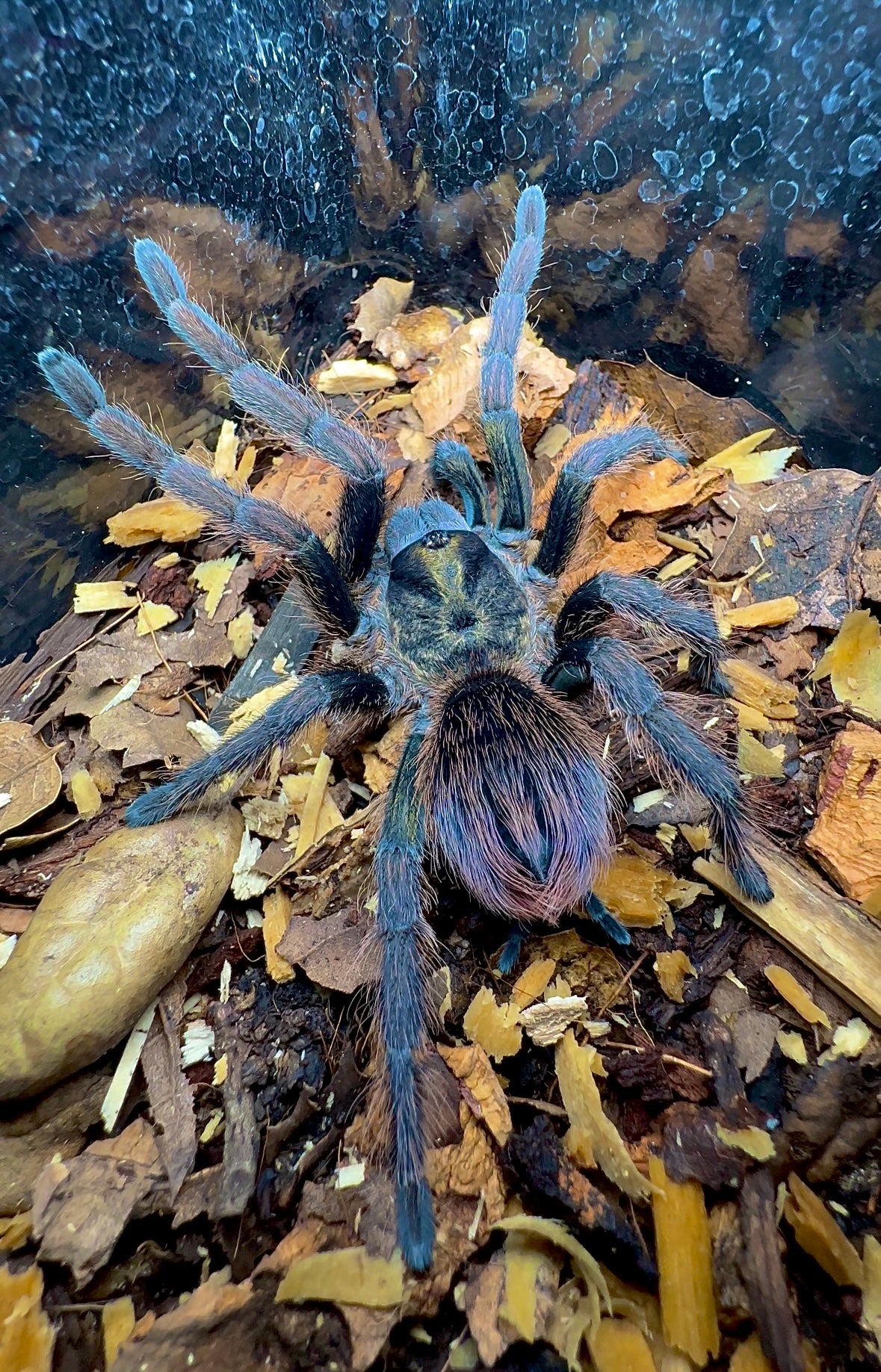
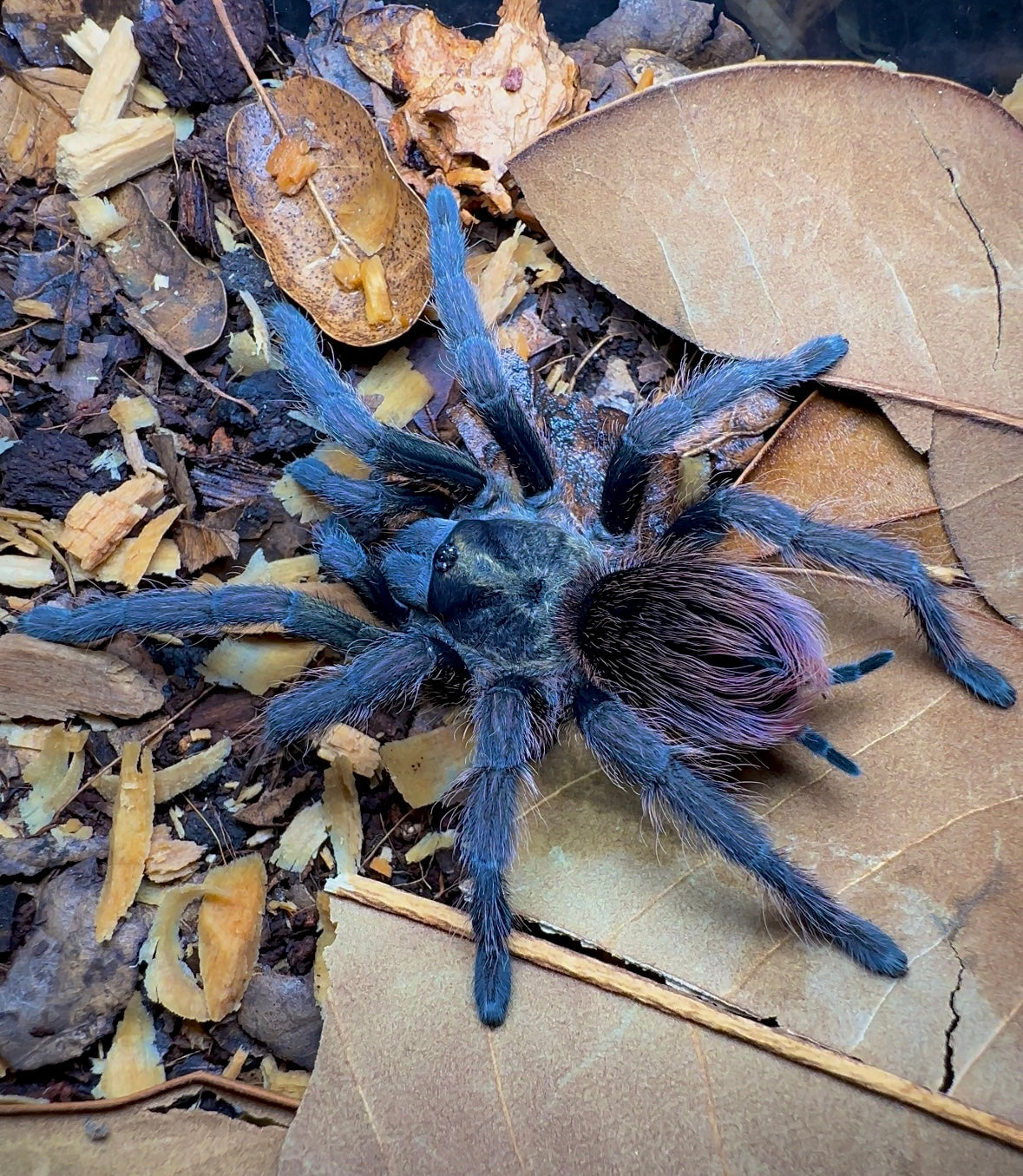
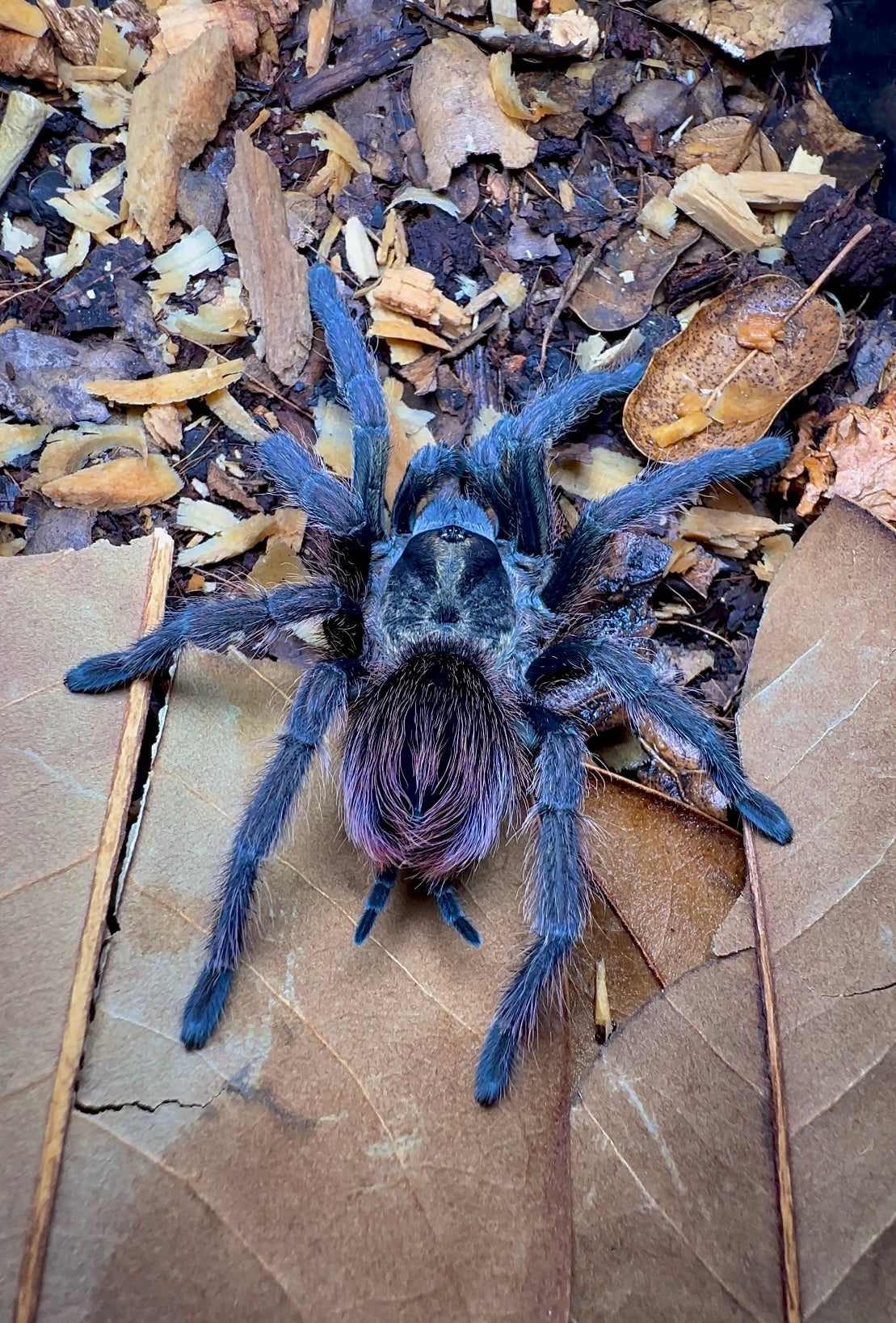
The Goliath Midnight Nebula (Phormictopus sp. Sierra Del Borocco)

A One of a Kind New World Giant 

The Midnight Nebula (Phormictopus sp. Sierra Del Borocco) is an extraordinary New World terrestrial tarantula native to the Dominican Republic. This species is brand new to the U.S. hobby, making it one of the rarest and most exciting Phormictopus species available today! Showcasing dark green and purple hues with subtle iridescence, this species is visually striking and unique. Due to its recent introduction to the hobby, adult female images are nonexistent and owning this tarantula means discovering its full beauty firsthand! Like most Phormictopus species, the Goliath Midnight Nebula is always hungry and will never refuse a meal, making feeding time a spectacle! Additionally, this species is said to reach over 8 inches DLS and unlike every other Phormictopus, they don’t look like solid blue baby spiders! 

This 4.5 inch Female exhibits a rich dark green and purple iridescence, setting her apart from any other Phormictopus species. Since no confirmed photos of mature females exist online, this tarantula is a true mystery waiting to be unraveled! As slings, they display a deep purple body and a bright red patch of hairs on their abdomen, gradually developing their signature dark green and purple hues as they develop. Unlike burrowing species, this tarantula spends most of its time out in the open. For those interested in breeding this one of a kind tarantula i have two males for sale! One is 3.5 inches DLS and the other is 2.5 inches DLS making it the perfect option for a future breeding project! Plus you’ll have the chance of being the first person in the country to produce this stunning species! That said, don’t wait, and add the Midnight Nebula to your collection today! 

View full details
WESTSIDE TARANTULAS

Species Profile

Everything You Need To Know At A Glance.
Experience Level
Beginner
Temperament
Bold, Confident, Extremely Food-Responsive & Docile
Type
Terrestrial / New World / Giant Species
DLS
Adult Size
8+” DLS
Country of Origin
Dominican Republic — (Sierra de Bahoruco)
Life Span
♀25–30+ Years

Care & Husbandry Guide

🏠 Enclosure & Substrate

Provide a wide terrestrial enclosure with plenty of usable floor space, a water dish, and a cork-bark retreat. My established Sierra de Bahoruco specimens have not behaved like dedicated burrowers and spend much of their time exposed, so I use roughly 2–3+ inches of substrate rather than building the enclosure like a fossorial setup. Interestingly, another keeper reports substantial burrowing in this form, so providing enough compactable substrate to allow excavation is still worthwhile. Keep climbing height low as the spider develops its massive adult build. 

🌡️ Temperature & Humidity

Maintain approximately 72–82°F. Don’t chase an exact humidity percentage; instead, provide access to both moist and comparatively dry substrate. Current husbandry information suggests this form handles relatively high moisture well, while my own specimens have also proven extremely tolerant of dry conditions. A moisture gradient therefore gives the animal considerably more control over its preferred microclimate. 

 🍽️ Feeding & Water 

This species has the incredible appetite expected from a giant Phormictopus. Growing specimens can be offered appropriately sized crickets or roaches approximately once per week, while large adults can be fed according to body condition. Keep a clean water dish available at all times. When adding additional moisture, concentrate it on one section of the substrate rather than saturating the entire enclosure.

🕷️ Species-Specific Care 

The Goliath Midnight Nebula is a hardy terrestrial Phormictopus from the Sierra de Bahoruco region of the Dominican Republic. In my experience, this species tolerates relatively dry conditions extremely well but shows a preference for having access to moist substrate. Rather than keeping the entire enclosure wet, provide a moisture gradient with one portion kept moderately moist and the remaining substrate allowed to dry substantially. Always provide a water dish and good ventilation. Larger specimens in my collection spend considerable time exposed rather than remaining hidden underground.