


Westside Tarantulas
Phrixotrichus vulpinus - Chilean Orange Burst - Very Docile & RARE! - For Sale
Phrixotrichus vulpinus - Chilean Orange Burst - Very Docile & RARE! - For Sale
Couldn't load pickup availability
The Chilean Orange Burst (Phrixotrichus vulpinus)
One of the Most Unique Tarantulas in the Entire Hobby
The Phrixotrichus vulpinus, commonly known as the Chilean Orange Burst, is without question one of the most unusual and misunderstood tarantulas available to hobbyists today. Native to the cooler regions of Chile, this extraordinary species has developed a reputation as both mysterious and highly sought after due to its rarity, distinctive behavior, and breathtaking coloration. Strict export regulations, years of incorrect husbandry information, and the difficulty of breeding this species have made P. vulpinus extremely rare within the U.S. hobby. For more than a decade, many keepers unknowingly maintained this species incorrectly, which prevented successful captive breeding projects and further contributed to its scarcity. As a result, finding healthy, properly raised specimens today is incredibly difficult.
A Halloween-Themed Masterpiece
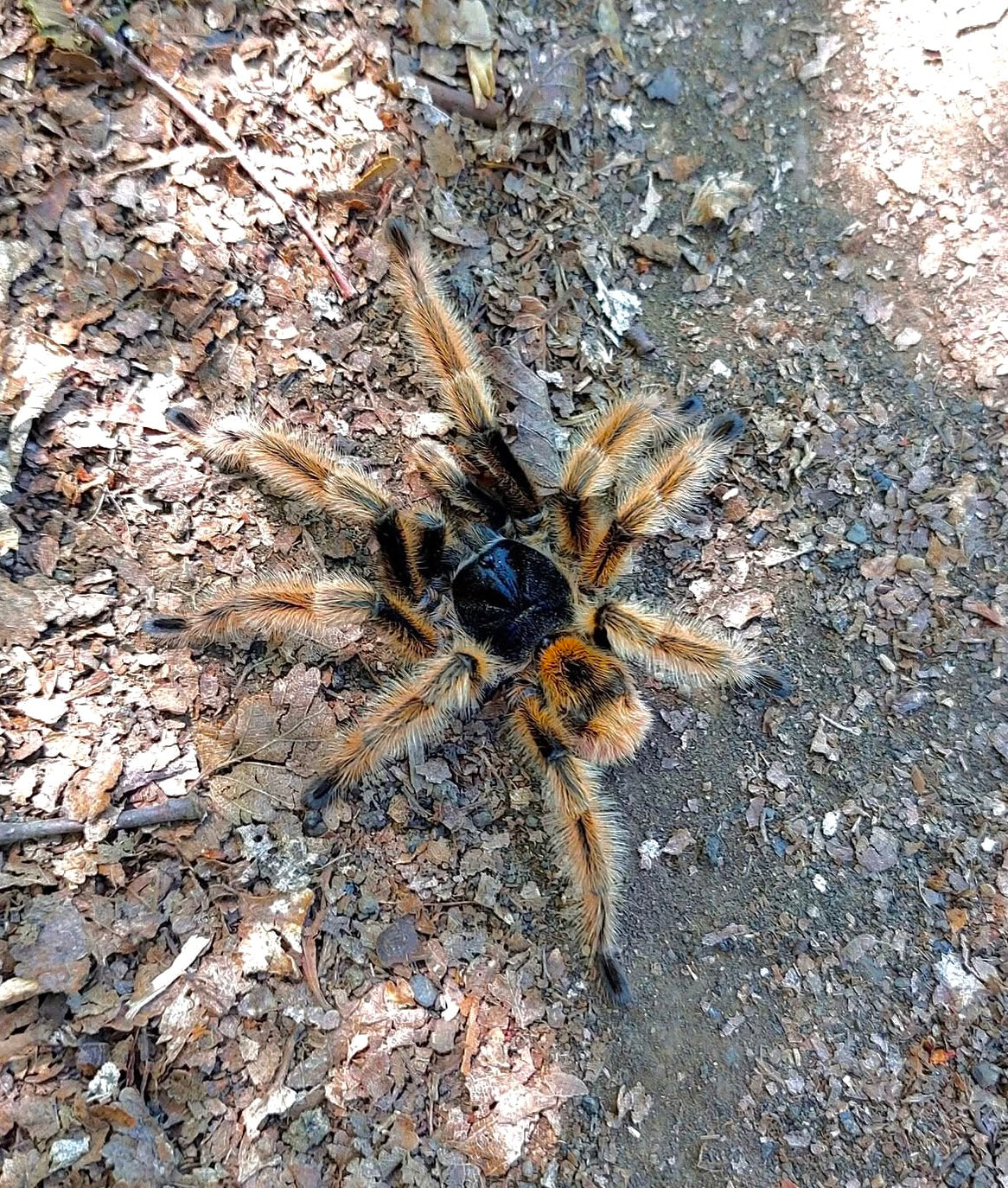
Visually, the Chilean Orange Burst is unlike anything else in the tarantula world. displaying a dense coat of fluffy orange and golden setae contrasted against a dark black body, creating a striking “Halloween” color palette. The abdomen glows with fiery orange hairs while the legs show alternating bands of warm copper, amber, and charcoal tones. Up close, the spider almost resembles a living ember-soft, fuzzy, and glowing with warm color. Mature specimens become even more impressive as the orange intensifies with age, transforming into one of the most visually distinct Chilean tarantulas ever discovered. Adding to its appeal is its impressive size for a Chilean species, reaching 6–7 inches in diagonal leg span, making it a large and commanding display tarantula.
One Of A Kind Personality
What truly separates Phrixotrichus vulpinus from nearly every other tarantula species is its behavior. Instead of hiding away in burrows or covering its enclosure in webbing, the Chilean Orange Burst behaves more like a curious explorer. Many keepers describe it as almost jumping-spider-like in personality—constantly wandering, investigating its surroundings, and remaining visible in the enclosure. Despite this energetic curiosity, the species is famously docile, calm, and extremely handleable, often more tolerant than even classic beginner species like Grammostola or arboreal pinktoes. Their confident feeding response and constant activity make them a fascinating tarantula to observe day after day.
Phrixotrichus vulpinus Care Guide
The Secret to Proper Care
The Chilean Orange Burst gained a reputation for being delicate in the past, but that reputation stems almost entirely from misunderstood husbandry requirements.
Unlike most terrestrial tarantulas, P. vulpinus should be housed with:
- Excellent cross ventilation
- Constant access to fresh water via a water dish
- Dry substrate with good airflow
- An enclosure with some vertical space to explore
- Temps between 62°F to 75°F
This setup closely mirrors the requirements seen in certain Avicularia-type species. You see, the most common cause of death for P. vulpinus historically has been stagnant air and lack of water access after molting, not fragility of the species itself. Temperature is also extremely important. Coming from cooler regions of Chile, this species thrives at lower temperatures than most tarantulas. Ideal conditions range from 68–72°F, though they can tolerate temperatures as low as 62°F. Temperatures above 75°F should be avoided.
Starting Size Matters
Another important factor when keeping this species is starting size. Extremely tiny 0.25 inch slings have historically shown lower survival rates, which led to the myth that the species is fragile. In reality, once they pass those earliest stages and are given correct husbandry, they become hardy, long-lived, and extremely rewarding tarantulas to keep.
A True Collector’s Tarantula
For keepers who appreciate rare Chilean species, the Chilean Orange Burst is a dream tarantula. Between its fluffy orange coloration, wandering personality, gentle demeanor, and fascinating husbandry requirements, it stands apart from almost every other tarantula available in the hobby. It is rare. It is unique. And it is incredibly rewarding when kept correctly. With its docile temperament, curious nature, impressive 6–7 inch size, and unforgettable Halloween-inspired colors, Phrixotrichus vulpinus is truly one of the most special tarantulas a keeper can own. For collectors searching for something genuinely different, the Chilean Orange Burst is a species that will quickly become the centerpiece of any tarantula collection.
Share


Species Profile
Care & Husbandry Guide
🏠 Enclosure & Substrate
Give them a spacious terrestrial enclosure with mostly dry substrate, excellent cross ventilation, a water dish, and some safe vertical structure to explore. Unlike a typical heavy-bodied terrestrial that rarely leaves the ground, P. vulpinus naturally climbs tree trunks and is frequently described as semi-arboreal in behavior. I like giving them plenty of floor space with cork or branches they can safely climb without creating dangerous fall distances.
🌡️ Temperature & Humidity
This is where P. vulpinus is completely different from most tarantulas in the hobby. I recommend 62–75°F, with roughly 68–72°F being ideal. Avoid prolonged temperatures above 75°F. Their native southern Chilean habitat averages only about 51.8°F annually and experiences temperatures below freezing during winter, so this is a genuinely cool-climate tarantula. Don’t chase a humidity percentage—provide fresh water and excellent ventilation instead.
🍽️ Feeding & Water
These have a slower metabolism than many tropical tarantulas and don’t need to be power-fed. Growing specimens can be offered appropriately sized prey roughly once a week, while adults can comfortably eat every 2–3 weeks depending on body condition. A clean water dish should always be available. With this species, I consider reliable access to drinking water more important than keeping the substrate constantly damp.
🕷️ Species-Specific Care
The biggest secret with P. vulpinus is cool temperatures, constant access to water, and excellent airflow. Despite coming from a very rainy region, I don’t recommend keeping them in a stagnant, soaking-wet enclosure. Mine do extremely well with mostly dry substrate, a clean water dish, and strong cross ventilation. Give them some branches or cork to explore as well—wild adults have actually been documented climbing tree trunks, so their unusually exploratory behavior isn’t just something we see in captivity.