
Skip to product information
1 of 5

Westside Tarantulas

Poecilotheria metallica – Gooty Sapphire Ornamental – For Sale

Poecilotheria metallica – Gooty Sapphire Ornamental – For Sale

Regular price $135.00
Regular price Sale price $135.00
Sale Sold out
Shipping calculated at checkout.
Size and Sex

Poecilotheria metallica – Gooty Sapphire Ornamental

One of the Most Iconic Tarantulas Ever Kept

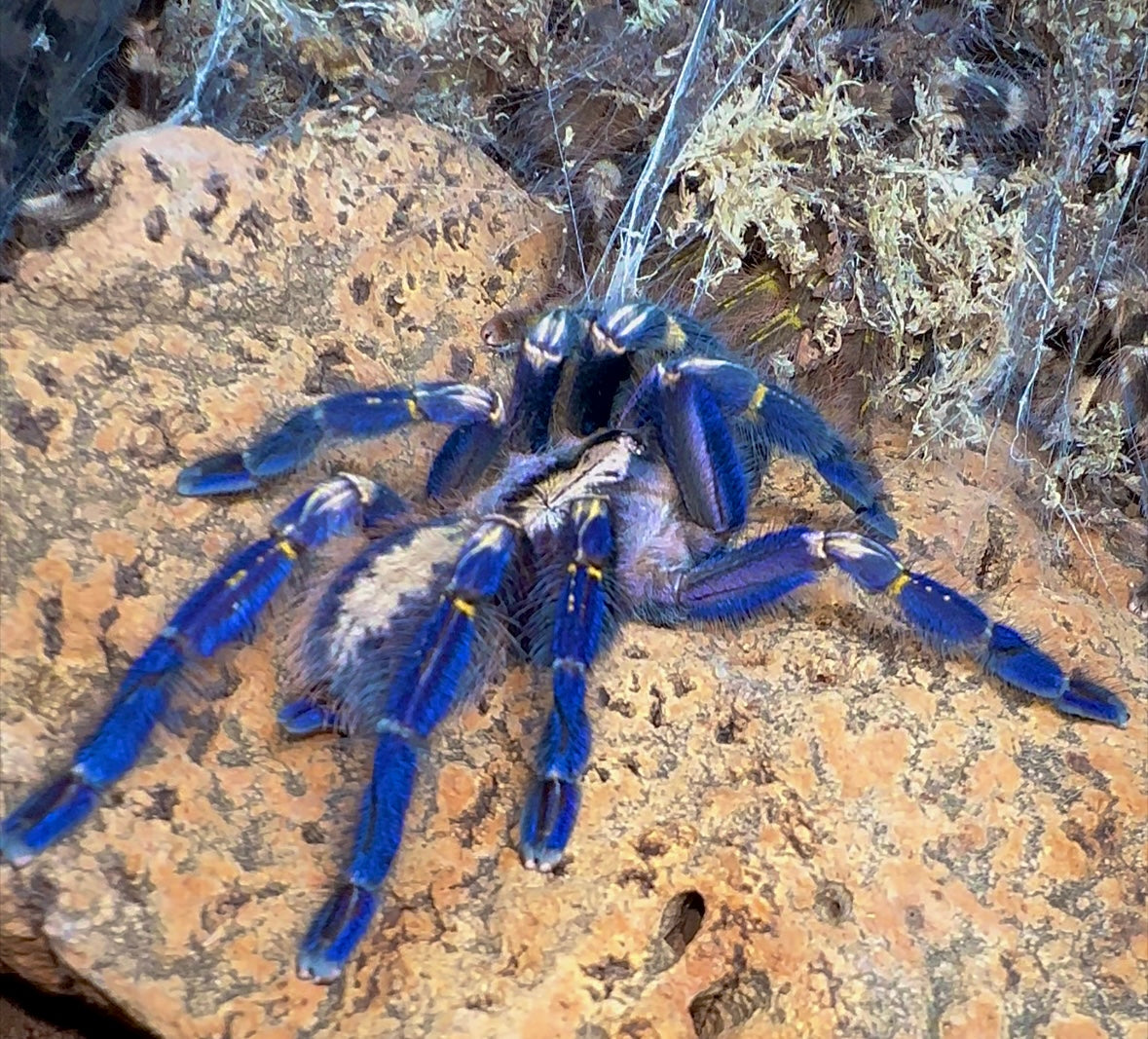
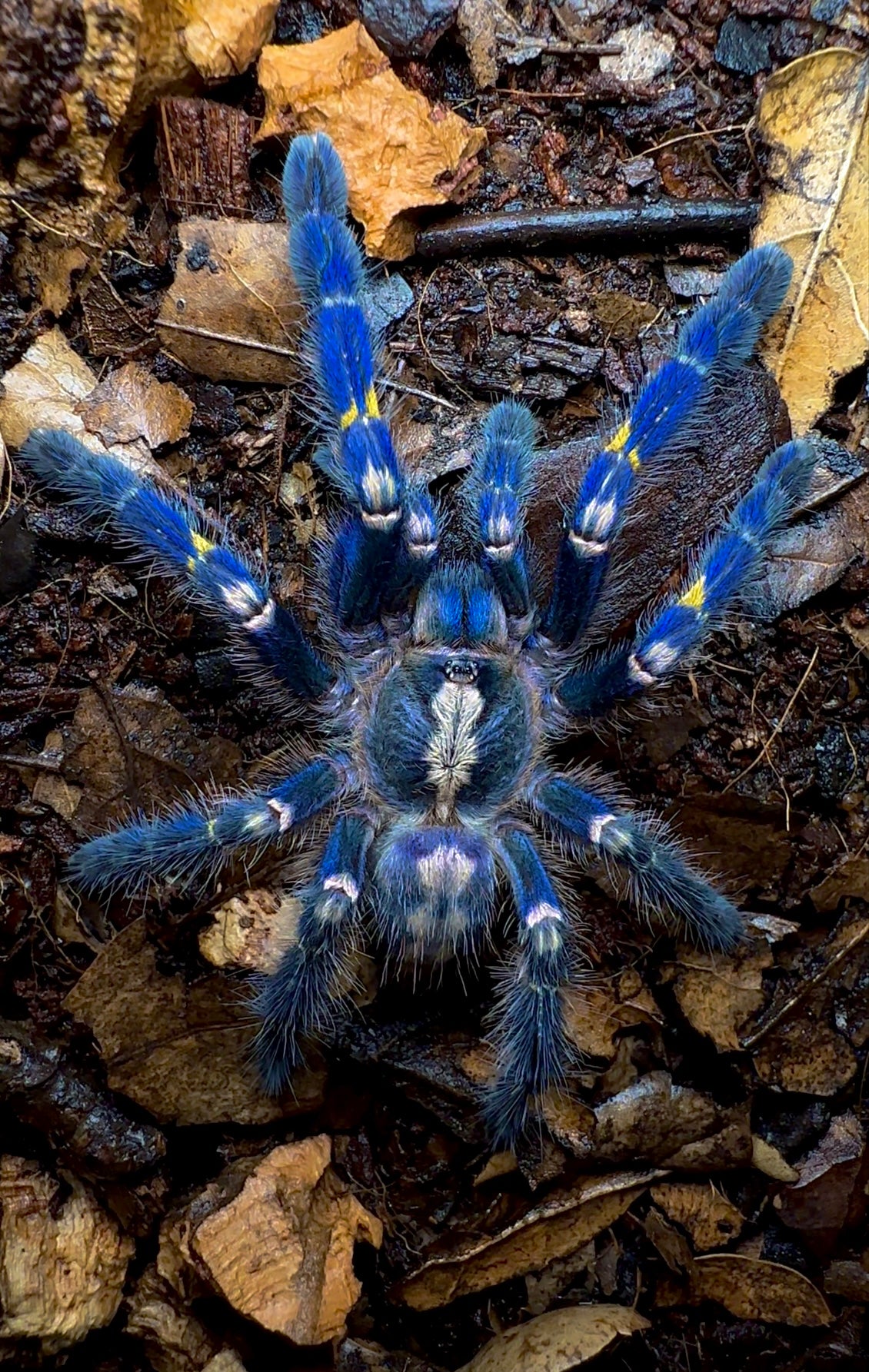
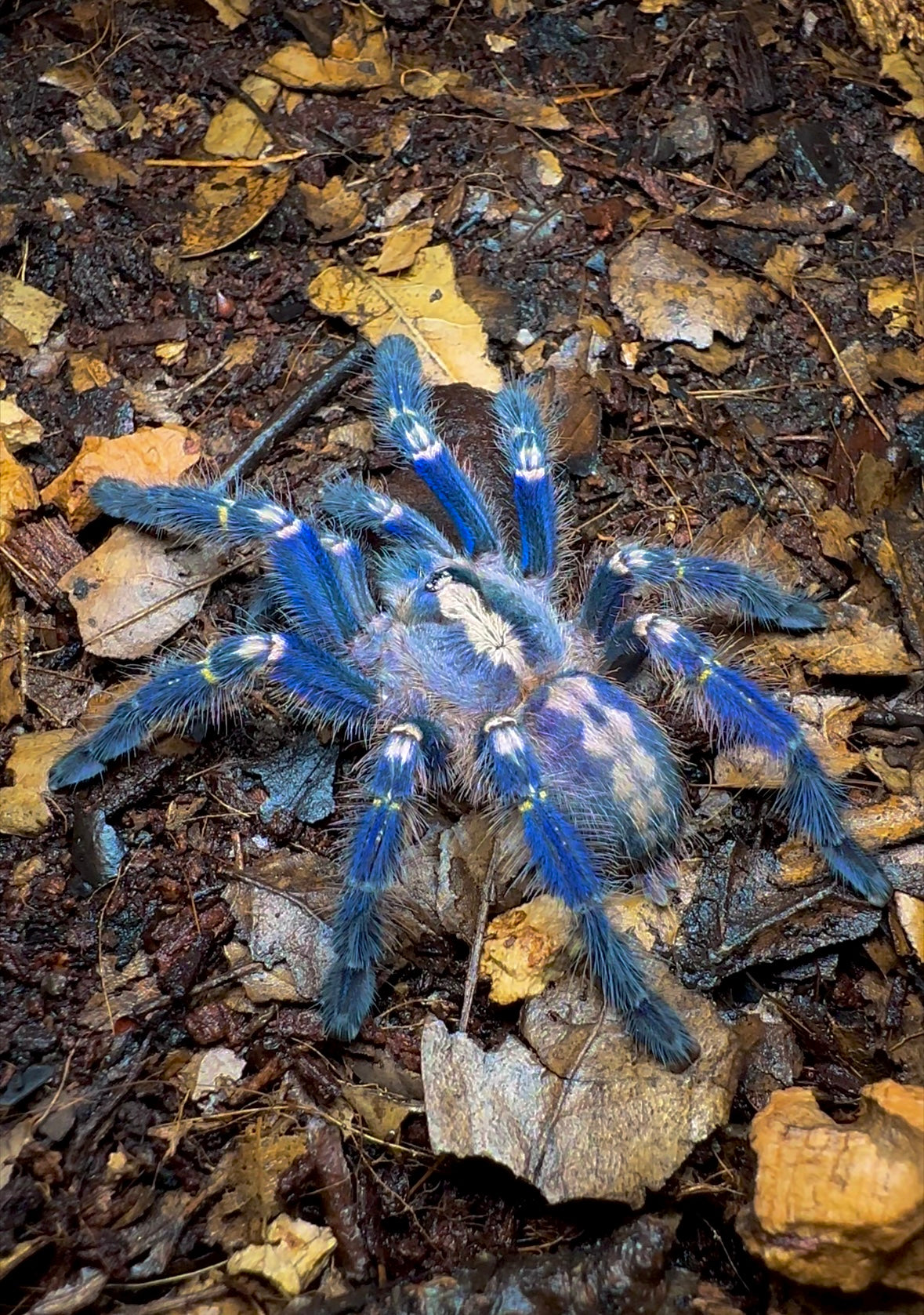
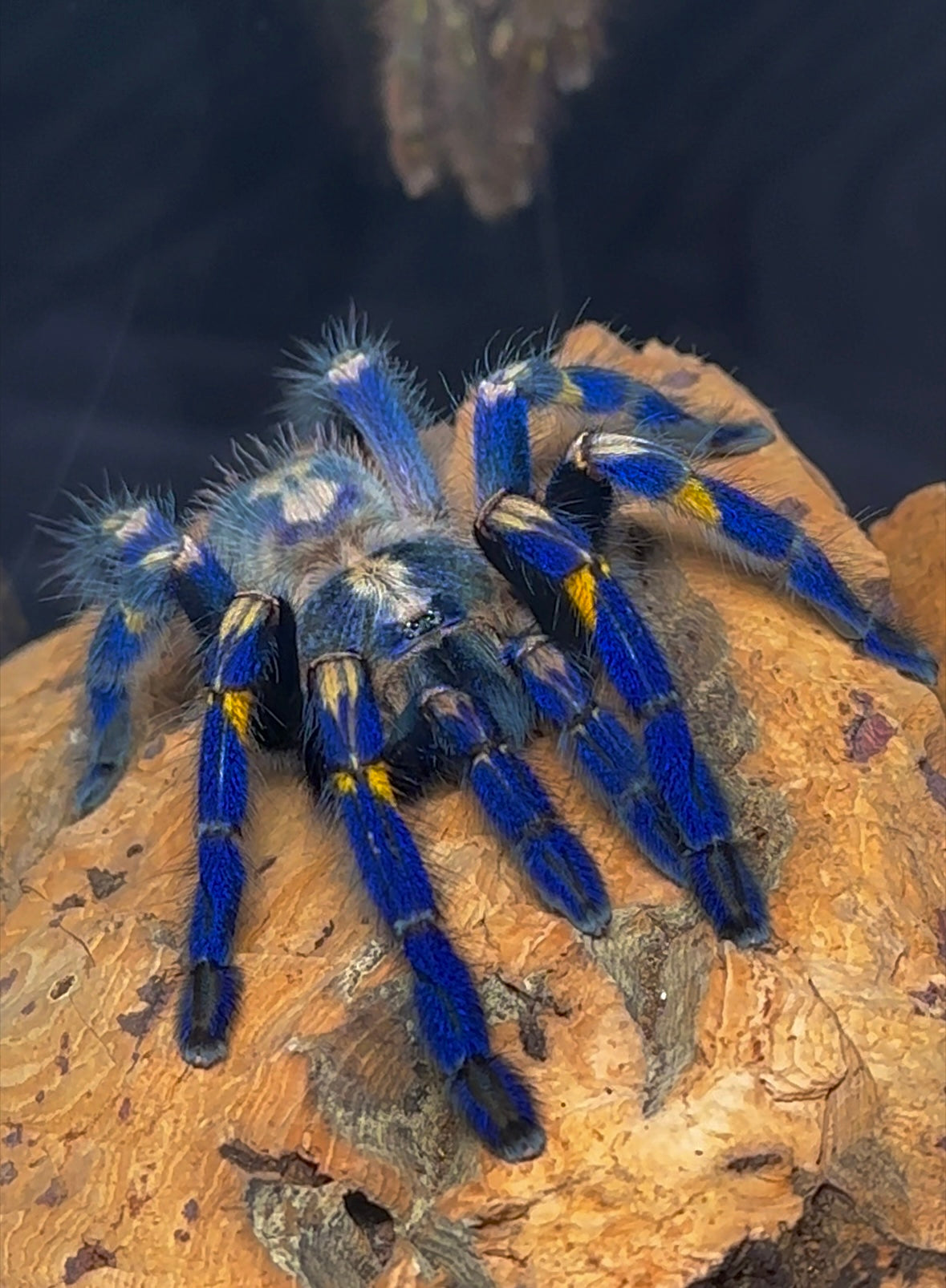
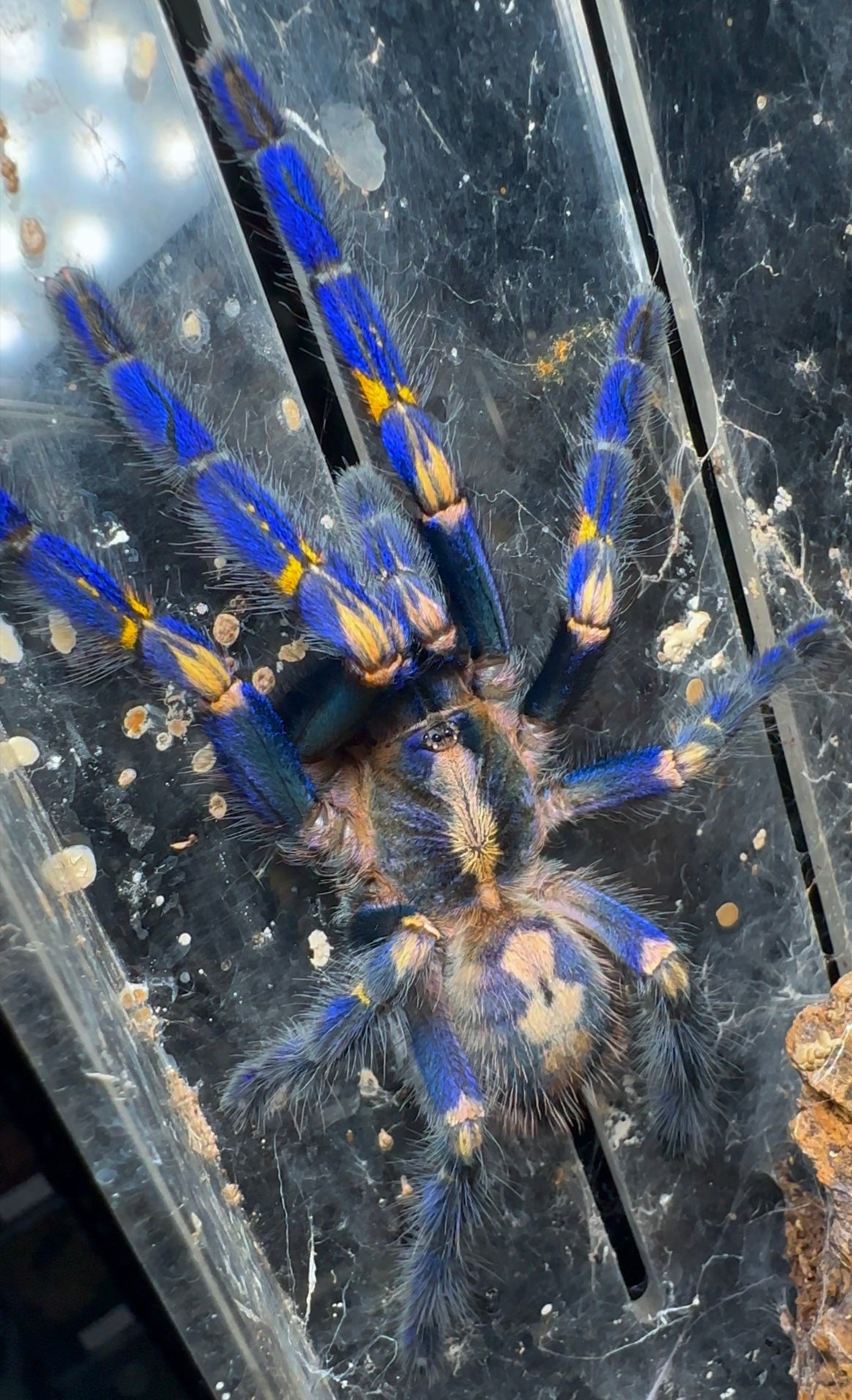
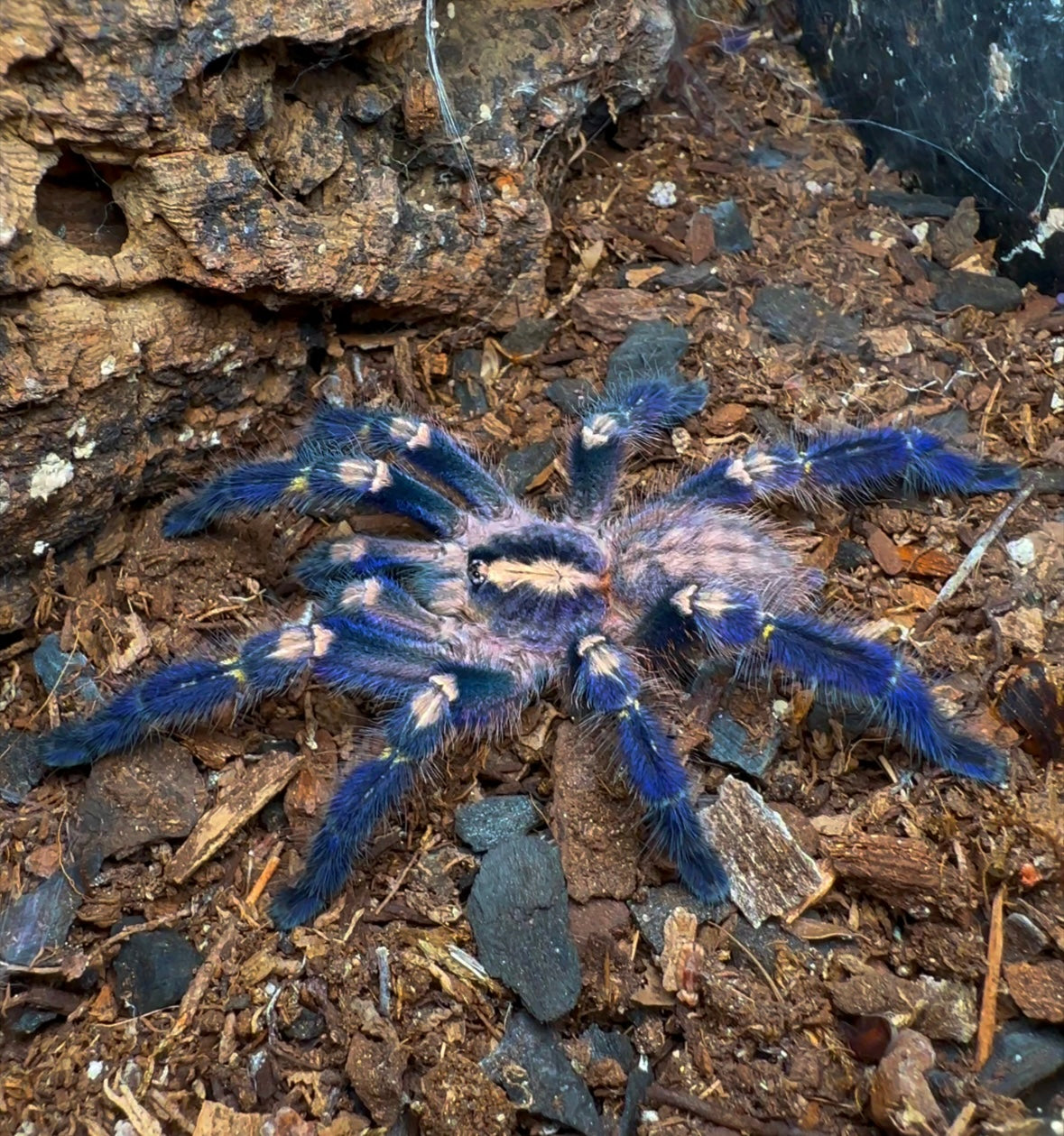
Few tarantulas have achieved the legendary status of Poecilotheria metallica. Better known as the Gooty Sapphire Ornamental, this species is instantly recognizable for its metallic blue coloration, sharp white banding, intricate black patterning, and unmistakable ornamental appearance. Even among rare and highly colorful tarantulas, P. metallica stands apart as one of those species almost every serious collector eventually wants in their collection.

Electric Blue Coloration That Only Gets Better

The coloration on this species is truly on another level. As they mature, the legs develop increasingly rich shades of metallic sapphire and cobalt blue, contrasted by bright white markings and deep black patterning throughout the body. Under proper lighting, established specimens can look almost unreal. Larger juveniles and adult females are especially impressive and easily become centerpiece display animals in even the most advanced collections.

Fast Growing and Extremely Rewarding to Raise

One of the best parts about keeping Poecilotheria metallica is watching the transformation that occurs as they grow. Younger specimens develop quickly when kept warm and consistently fed, and each molt brings more size, stronger patterning, and increasingly intense coloration. Compared with many slower-growing New World species, Poecilotheria offer a much more noticeable progression from sling to impressive juvenile and eventually into a large ornamental tarantula.

An Incredible Display Species Once Established

Although P. metallica naturally prefers having a secure arboreal retreat, established specimens will often become surprisingly visible within their enclosure. Giving them a large vertical piece of cork bark allows them to construct a webbed retreat while still providing opportunities to observe them climbing, hunting, and resting along the enclosure walls or bark. Their long legs, flattened arboreal build, and brilliant coloration make them one of the most visually impressive display tarantulas available.

A True Collector Species

Poecilotheria metallica has remained highly desirable for good reason. It combines size, coloration, rarity, fast growth, and the unmistakable appearance of the Poecilotheria genus into one incredible species. Whether you are building an ornamental collection or simply looking for one truly unforgettable blue tarantula, P. metallica is a species that deserves a place in any serious collection.

View full details
WESTSIDE TARANTULAS

Species Profile

Everything You Need To Know At A Glance.
Experience Level
Beginner-Intermediate
Temperament
Calmest Poecilotheria
Type
Arboreal / Old World
DLS
Adult Size
6–7+” DLS
Country of Origin
India
Life Span
♀15–20+ Years

Care & Husbandry Guide

🏠 Enclosure & Substrate

Use a tall arboreal enclosure with strong cross ventilation, several inches of moisture-retentive substrate, and a large vertical piece of cork bark that provides both climbing space and a dark retreat behind it. Add additional branches or foliage for webbing and climbing. P. metallica naturally utilizes tree hollows and elevated retreats, so prioritize vertical usable space rather than floor space.

🌡️ Temperature & Humidity

72–78°F works extremely well for individually housed P. metallica. Keep the lower substrate slightly moist while allowing the surface to partially dry between waterings. Strong cross ventilation is extremely important. Avoid constantly saturated substrate or stagnant humidity—moisture + airflow is much more important than chasing a specific humidity percentage.

 🍽️ Feeding & Water 

These are fast-growing, extremely food-responsive tarantulas. Feed juveniles appropriately sized crickets or roaches around once per week, with larger specimens fed every 7–14 days depending on body condition. Always provide a clean water dish. Lightly overflowing the dish occasionally is an easy way to hydrate the lower substrate without soaking the entire enclosure.

🕷️ Species-Specific Care 

P. metallica is an arboreal species that does best with plenty of vertical structure, a secure retreat, good airflow, and access to moisture without being kept constantly wet. Give them tall cork bark extending nearly the full height of the enclosure, along with branches or foliage for additional anchor points. They will often web behind the cork and create a secure vertical retreat where they spend much of the day.