
Skip to product information
1 of 3

Westside Tarantulas

Scolopendra aztecorum - Aztec Blue Centipede - For Sale - Captive Bred

Scolopendra aztecorum - Aztec Blue Centipede - For Sale - Captive Bred

Regular price $350.00
Regular price Sale price $350.00
Sale Sold out
Shipping calculated at checkout.
Size and Maturity

The Aztec Blue Centipede - Scolopendra aztecorum

A Color-Changing Predator Like No Other

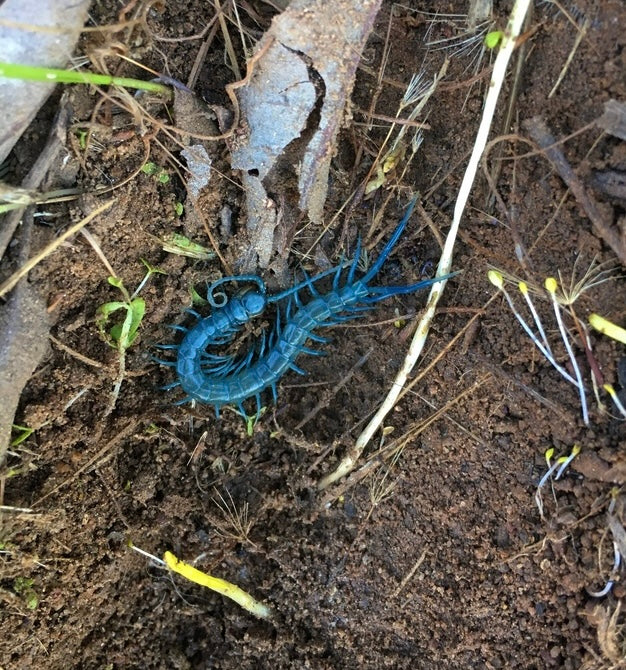
If you’re looking for something truly eye-catching and different from the norm, the Aztec Blue Centipede (Scolopendra aztecorum) is in a league of its own. This species starts off as one of the most insanely vibrant electric-blue invertebrates you will ever see, with glowing neon-blue legs and body that almost look unreal in person. As they mature, they undergo an incredible transformation—developing into a deep, rich emerald green adults. This dramatic color shift alone makes S. aztecorum one of the most desirable centipede species in the hobby. Whether you prefer the intense, almost radioactive blue of juveniles or the darker, jewel-toned green of adults, this species delivers unmatched visual appeal at every stage.

Hardy, Fast, and Built to Thrive

Native to Mexico and parts of the southern United States, the Aztec Blue Centipede is a hardy and adaptable species that does very well in captivity when provided with basic husbandry. They thrive in a simple setup with slightly moist substrate, a hide, and proper ventilation, making them a great choice for keepers looking to branch into centipedes without dealing with overly delicate species. These centipedes grow to an impressive size, developing into large, powerful predators with strong feeding responses and lightning-fast movement. Their bold nature and active behavior make them incredibly fun to observe, especially during feeding time.

Captive Bred — The Best Choice

The specimens offered here are captive bred, which is a huge advantage when it comes to both sustainability and survivability. Captive bred centipedes are typically hardier, more acclimated to enclosure life, and free from the stress of wild capture, making them far better long-term additions to your collection. Supporting captive bred animals also helps reduce pressure on wild populations while promoting responsible breeding within the hobby something that is becoming increasingly important as demand for rare invertebrates continues to grow.

A True Standout Species

Between their unmatched electric-blue juvenile coloration, emerald green adult transformation, impressive size of 7+ inches, and hardy nature, the Aztec Blue Centipede is easily one of the most unique and rewarding centipedes you can own. This is not your average invertebrate, this is a living color-shifting predator that demands attention. If you’re looking to add something bold, rare, and visually unforgettable to your collection… Scolopendra aztecorum delivers.

View full details
WESTSIDE TARANTULAS

Species Profile

Everything You Need To Know At A Glance.
Experience Level
Beginner
Temperament
Fast, Active & Extremely Food-Responsive
Type
New World / Medium Sized / Centipede
DLS
Adult Size
6-7”
Country of Origin
Mexico – Baja California
Life Span
♀10+ Years in Captivity

Care & Husbandry Guide

🏠 Enclosure & Substrate

Use a secure terrestrial enclosure with several inches of compactable substrate, cork bark or another tight ground-level retreat, and enough floor space for the animal to explore. A locking or extremely secure lid is important—Scolopendra are incredibly strong escape artists and can exploit surprisingly small gaps.

🌡️ Temperature & Humidity

Keep approximately 70–78°F. Maintain one portion of the lower substrate slightly moist while allowing a substantial portion of the enclosure to remain comparatively dry. Always provide access to water, but avoid creating a constantly saturated enclosure. Good ventilation is especially important.

 🍽️ Feeding & Water 

These are powerful predators with an excellent feeding response. Juveniles can receive appropriately sized crickets or roaches 1–2 times per week, while larger specimens can be fed approximately once weekly depending on body condition. Remove uneaten prey, particularly when the centipede is preparing to molt.

🕷️ Species-Specific Care 

S. aztecorum comes from Baja California Sur, and the original specimens were actually collected beneath decaying cacti. This is important because I would not keep this species like a tropical Asian Scolopendra. Give it plenty of substrate, a secure hide, and a moisture gradient rather than keeping the entire enclosure constantly wet.