Euathlus sp. “Manquehua” – Chilean Royal Flame
A Beautiful Mix of Cool & Warm Color
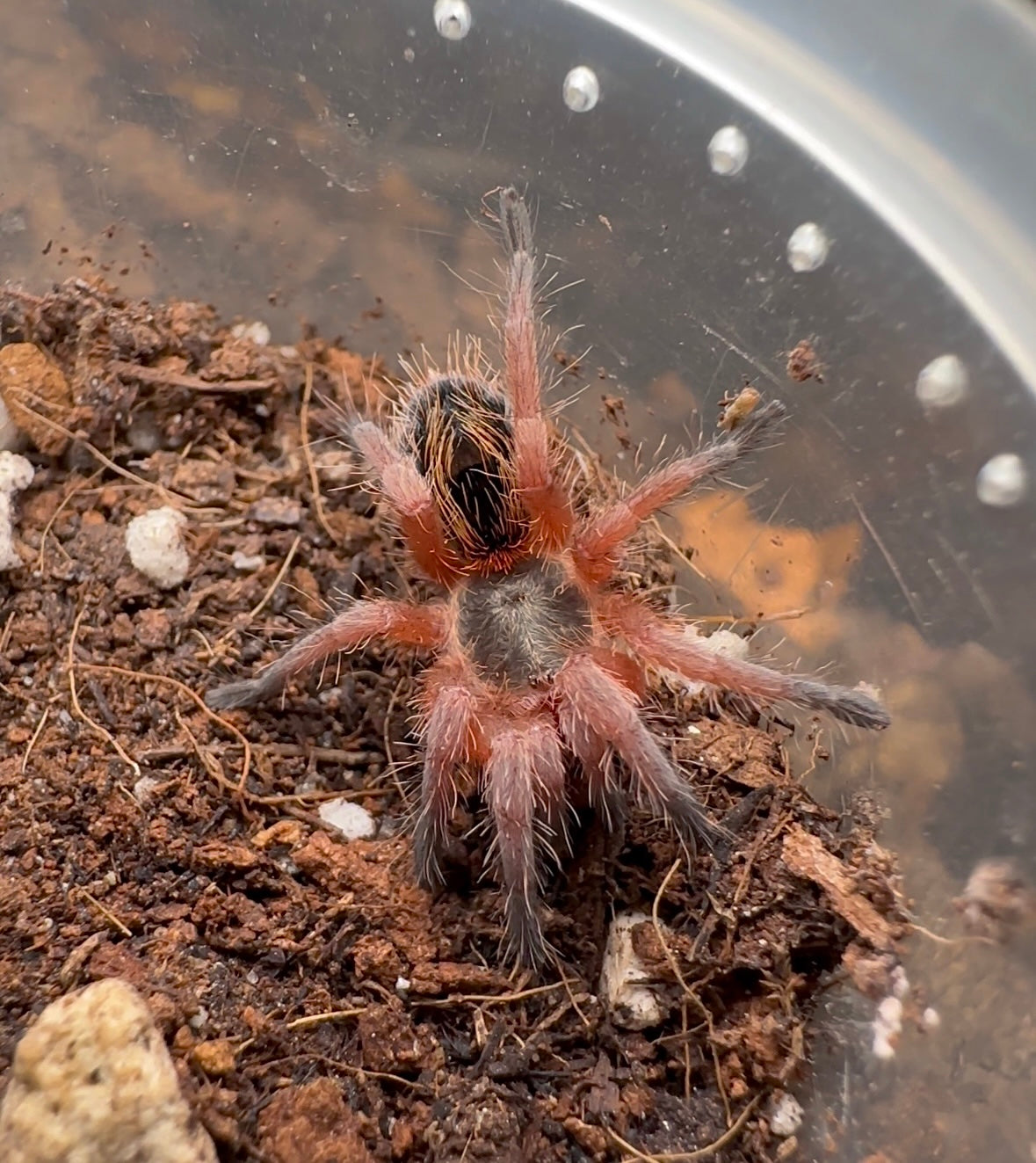
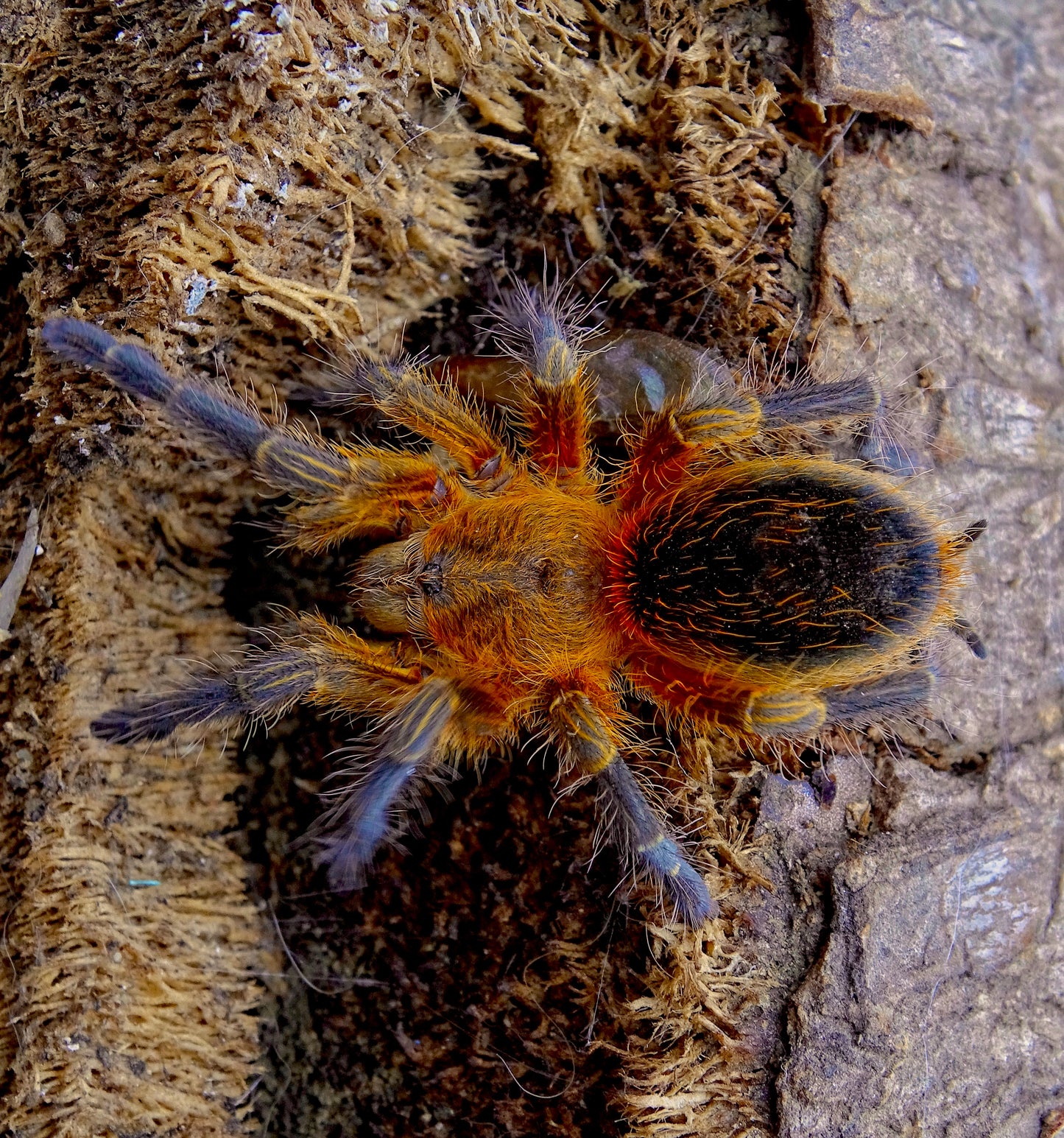
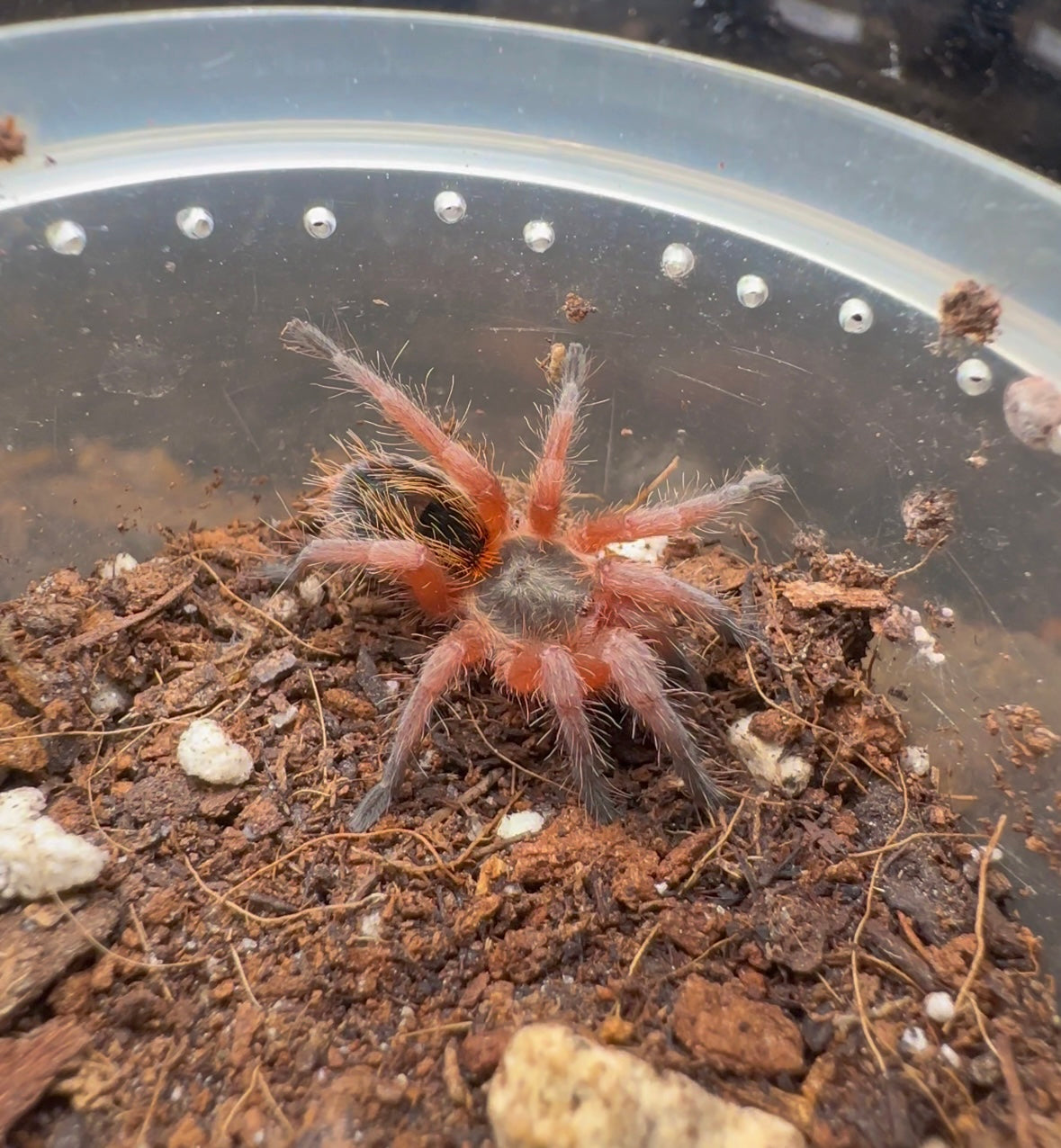
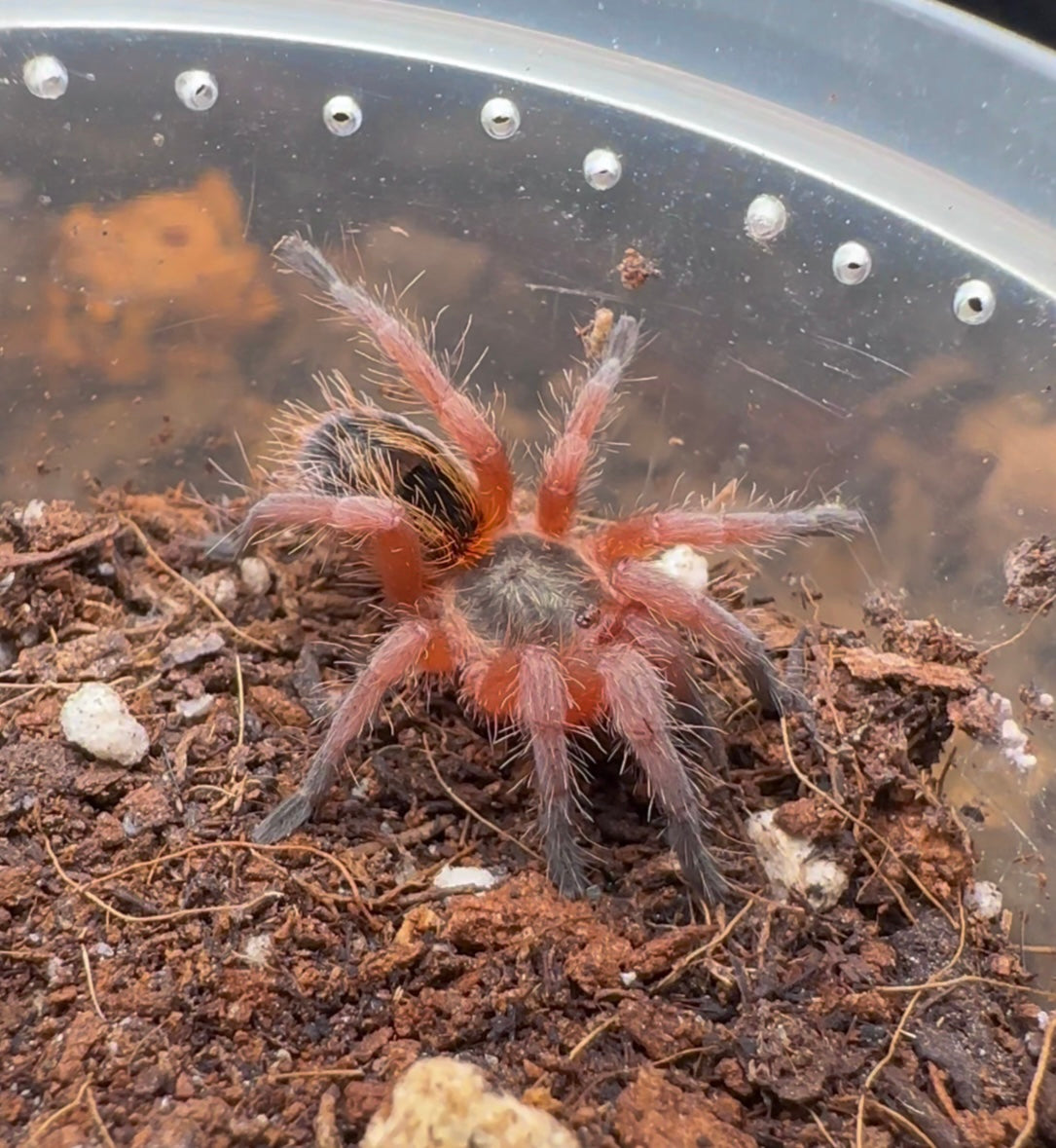
Euathlus sp. “Manquehua,” the Chilean Royal Flame, is another perfect example of why I’ve become so obsessed with this genus. Adults develop a beautiful mixture of cool blue and violet tones mixed with warm copper, pink, and fiery orange coloration. Depending on the lighting and how recently they’ve molted, completely different colors can come through. It’s one of those tarantulas that looks good in photos but is considerably more impressive when you actually see one moving around in person.
Think of a Smaller, More Colorful Grammostola
The easiest way I can explain Euathlus to someone who has never owned one is to imagine a Grammostola that stays a little smaller, develops more color, and somehow manages to be even more curious. You still get that hardy, relaxed, slow-moving personality that makes Grammostola so enjoyable, but Euathlus seem much more interested in what’s happening around them.
That combination is exactly why they’ve become some of my favorite tarantulas to keep.
Extremely Docile & Curious
My Manquehua have been extremely docile, curious, and tolerant of gentle handling. Rather than immediately running for cover when the enclosure is opened, they’ll often slowly walk around and investigate what’s going on. Individual temperament can always vary, but this is one of those species where their personality is genuinely one of their biggest selling points.
Always Out on Display
Manquehua are also fantastic display tarantulas. Even younger specimens are surprisingly comfortable sitting completely out in the open, and mine regularly wander around and explore their enclosure throughout the day. That’s something I really appreciate about Euathlus. You can own an incredibly rare tarantula without staring at an empty enclosure 99% of the time.
Hardy & Incredibly Easy to Keep
Despite their rarity, Manquehua are extremely straightforward to care for. Mine do best cool and mostly dry, generally anywhere from the low 60s through the mid-70s°F. Give them a water dish, mostly dry substrate, good ventilation, and plenty of room to explore. I also like adding low cork and branches because they’ll surprisingly use some vertical space when it’s available. My animals are so comfortable sitting in the open that I don’t consider a traditional hide necessary.
The Only Thing You Need Is Patience
Like practically every Euathlus, Manquehua are VERY slow growers. These aren’t tarantulas that explode in size after a few molts. Raising one is a long-term project, and it can take years before a small specimen develops into a larger juvenile or adult. But that’s also part of what makes them special. Every molt matters, and established specimens represent years of growth that you simply can’t rush.
An Extremely Rare Piece of Chilean Tarantula Diversity
Chile is home to an incredible diversity of Euathlus, including both formally described species and additional hobby forms that still aren’t scientifically described. Research on the genus is continuing even today; a new Chilean Euathlus was formally described as recently as 2024. Many Chilean Euathlus also have very limited known distributions, and several described species have been assigned threatened conservation categories within Chile. That makes maintaining healthy captive populations especially important. Once one of these rare bloodlines disappears from the U.S. hobby, there’s no guarantee we’ll simply be able to replace it.
Exactly Why I Keep So Many Euathlus
Manquehua checks practically every box I look for in a tarantula: beautiful coloration, an incredibly docile personality, simple care, manageable adult size, long lifespan, and genuine rarity. They aren’t impressive because they’re enormous or defensive. They’re impressive because they’re these beautiful little Chilean tarantulas that will sit completely out in the open, calmly explore their enclosure, and actually seem interested in what’s going on around them. That’s what makes the Chilean Royal Flame such a special species to keep.