
Skip to product information
1 of 2

Westside Tarantulas

Theraphosidae sp. Azul – The Peruvian Jeweled Azul Tarantula - EXTREMELY RARE!

Theraphosidae sp. Azul – The Peruvian Jeweled Azul Tarantula - EXTREMELY RARE!

Regular price $399.00
Regular price Sale price $399.00
Sale Sold out
Shipping calculated at checkout.
Size and Sex

Theraphosidae sp. Azul – Peruvian Jeweled Azul

One of the Rarest New World Tarantulas in the United States!

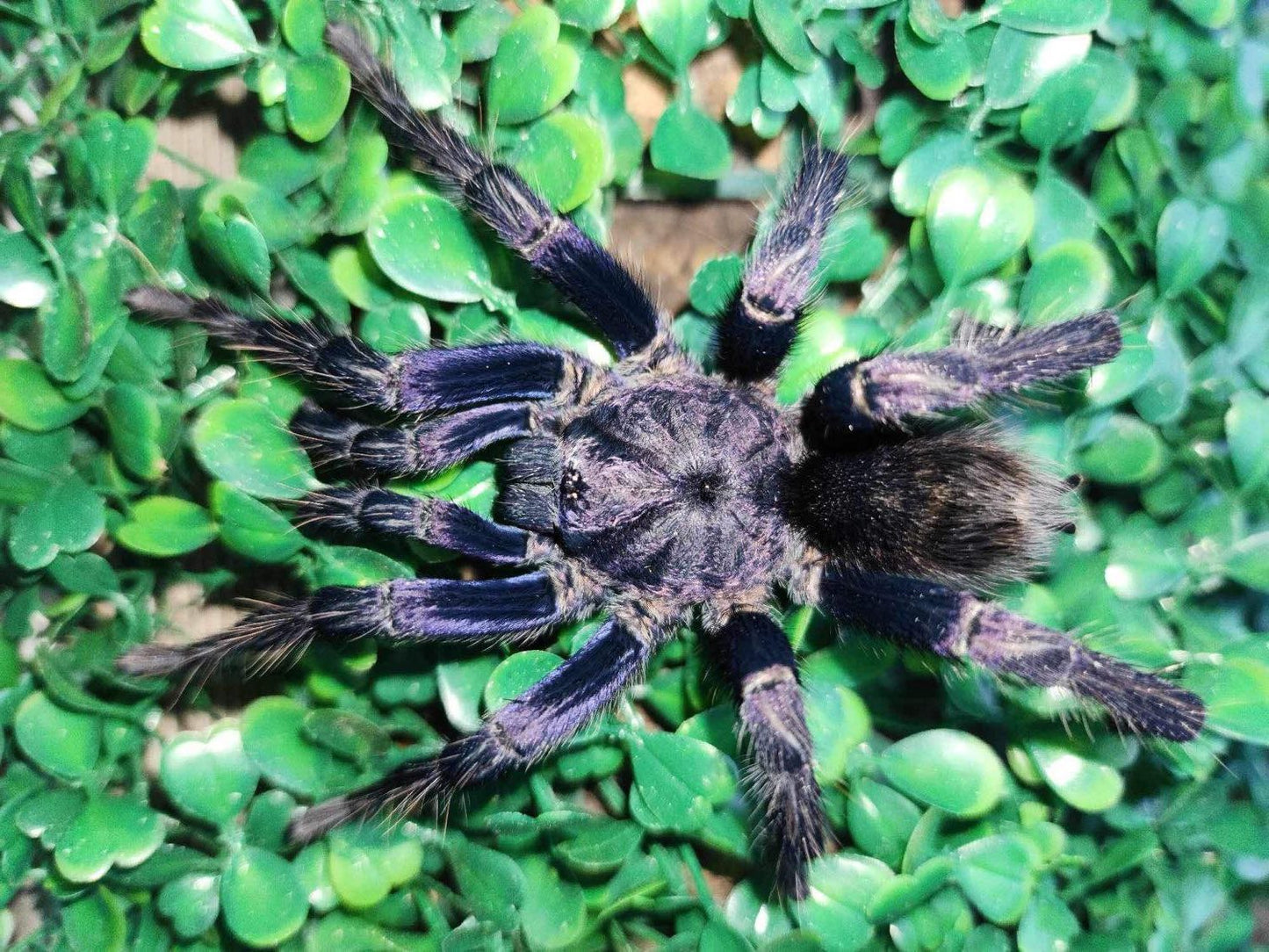
Some tarantulas are uncommon… others are genuinely almost impossible to own. Theraphosidae sp. Azul, the Peruvian Jeweled Azul, falls firmly into the second category. Imported into the United States in extremely limited numbers, this remarkable species has remained virtually unavailable to hobbyists. After carefully raising these imports for nearly a year, I have only 10 specimens remaining, and at 1.25–1.5 inches DLS, these are believed to be the largest individuals currently available anywhere in the U.S. If your goal is to own something that virtually nobody else has, this is your opportunity. Once these are gone, there is absolutely no telling when—or if—they’ll ever become available again.

A Shiny, Solid Blue Azul Tarantula!

The moment you see the Peruvian Jeweled Azul, you understand exactly why collectors have been searching for this species. Unlike many “blue” tarantulas that only display hints of color in certain lighting, this species develops an incredible solid violet-blue “Azul” sheen across nearly its entire body. Rich royal violet, electric blue, and metallic lavender tones blend together to create an appearance unlike anything else in the hobby. Every molt intensifies the color, transforming this already beautiful dwarf species into a true living jewel. Even at a relatively small adult size, this spider commands attention from across the room.

Small in Size… Legendary in Rarity

One of the things that makes the Peruvian Jeweled Azul so desirable is its perfect combination of rarity and practicality. Reaching only 4–4.5 inches DLS, this dwarf species remains compact while delivering the same visual impact as tarantulas twice its size. Their manageable adult size, incredible coloration, and fascinating personality make them ideal showcase animals for collectors who appreciate unusual species rather than simply large ones. This isn’t a tarantula you buy because it’s common—it’s one you buy because opportunities like this simply don’t come around often.

A Once-in-a-Lifetime Opportunity

It’s incredibly rare to offer a species that is larger than almost every other specimen currently in the country. These spiders have already been established, feeding consistently, and growing beautifully under my care for nearly a year. Instead of starting with tiny imports, you’re receiving exceptionally well-started juveniles that are well past the fragile stage and already beginning to display the breathtaking Azul coloration that made this species famous. For serious collectors, this is exactly the kind of opportunity that defines a collection for years to come.

View full details
WESTSIDE TARANTULAS

Species Profile

Everything You Need To Know At A Glance.
Experience Level
Beginner
Temperament
Curious, active, hardy and excellent feeding response
Type
New World / Terrestrial
DLS
Adult Size
4.5+ inches
Country of Origin
Peru
Life Span
♀15-20 Years

Care & Husbandry Guide

🏠 Enclosure & Substrate

A secure terrestrial enclosure with several inches of compactable substrate, cork bark, and some climbing structure is a reasonable starting setup. Because its natural habits are not well documented, provide opportunities for both retreating and exploring until its preferred behavior becomes clear.

🌡️ Temperature & Humidity

A conservative starting range is 70–76°F, pending more reliable locality and husbandry information. Maintain a moisture gradient with good airflow rather than chasing a specific humidity percentage. Avoid prolonged excessive heat or saturated, stagnant conditions.

 🍽️ Feeding & Water 

Offer appropriately sized crickets or roaches approximately once weekly for established juveniles, adjusting according to feeding response and body condition. Keep a clean water dish available at all times. Remove uneaten prey during premolt.

🕷️ Species-Specific Care 

Because this is an undescribed species with limited documented husbandry information, I recommend a setup that offers multiple microclimates rather than forcing consistently wet or dry conditions. Provide compactable substrate, a secure cork-bark retreat, and good ventilation. Keep one section slightly moist while allowing another to remain drier. Monitor the specimen's burrowing, climbing, and moisture preferences as it establishes itself.