Skip to product information
1 of 3

My Store

Theraphosidae sp. Kingfisher - Royal Blue Beauty - For Sale!

Theraphosidae sp. Kingfisher - Royal Blue Beauty - For Sale!

Regular price $850.00
Regular price Sale price $850.00
Sale Sold out
Shipping calculated at checkout.
Size and Sex

Theraphosidae sp. “Kingfisher” – Royal Blue Beauty

One of the Craziest Color Combinations I’ve Ever Seen!

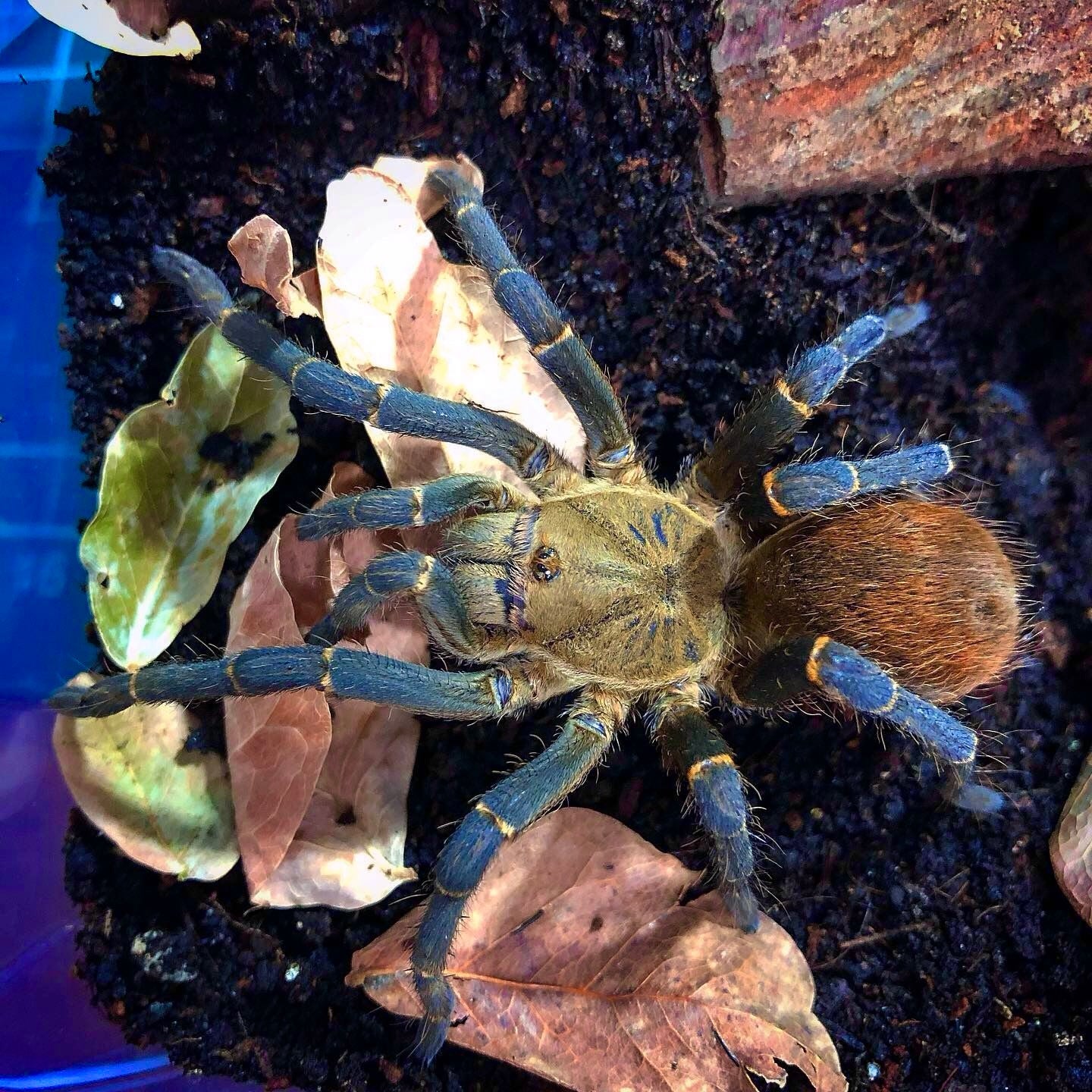
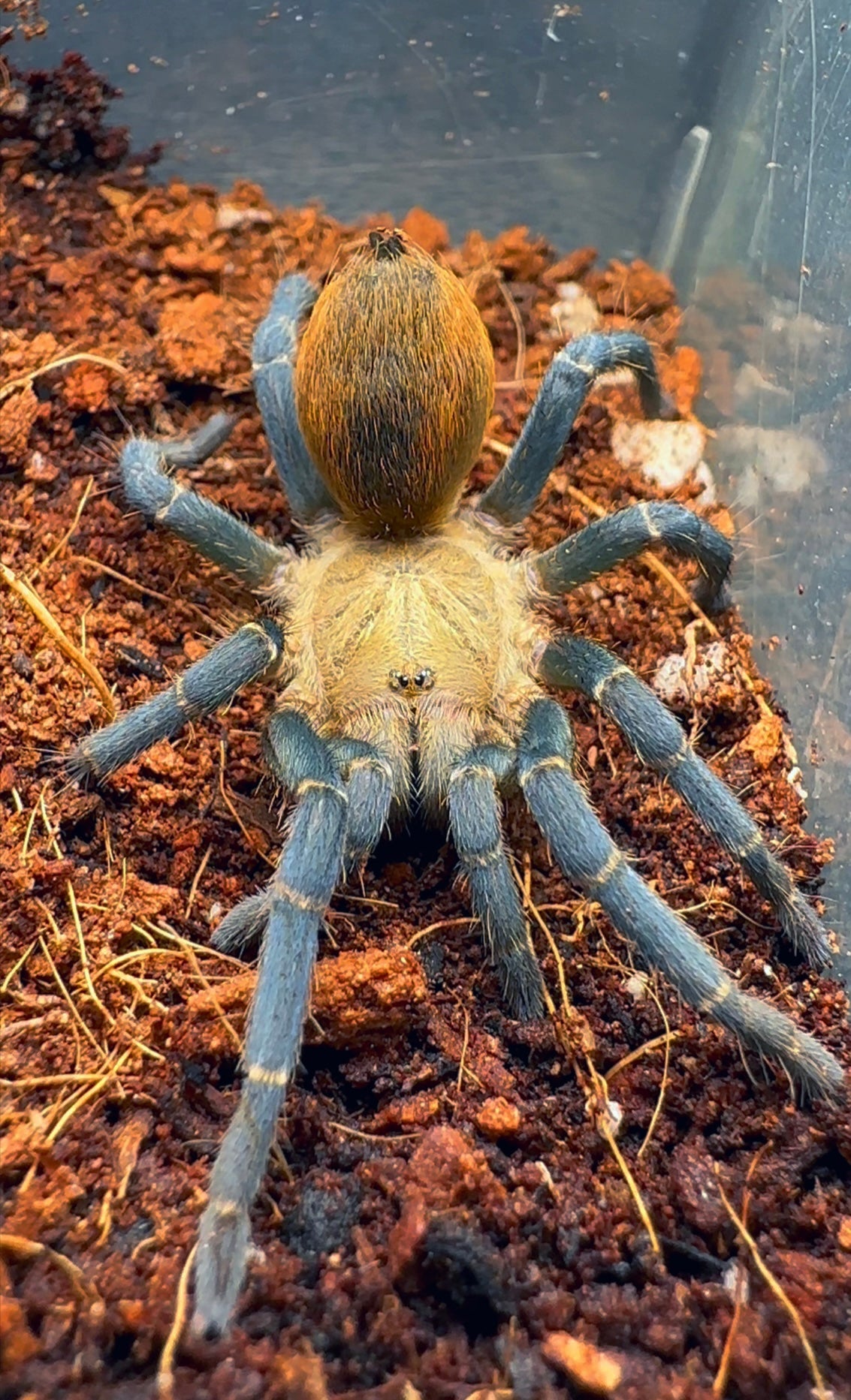
The Royal Blue Beauty is one of those tarantulas that genuinely doesn’t look real. Imagine a spider covered in pastel blues, soft yellows, fiery oranges, and velvety dark tones, all packed into one little animal. The colors almost look painted on, and they only get better as the spider matures.

And the craziest part? This species is practically unheard of in the U.S. hobby!

A True Collector’s Rarity

Theraphosidae sp. “Kingfisher” is a relatively new addition to American collections, and finding an established specimen is no easy task.

Unlike the commonly available blue tarantulas, Kingfisher has an unusual mixture of colors that makes it completely different from anything else I’ve worked with. At approximately 3.5+” DLS as adults, you get incredible coloration without needing a massive enclosure.

From Eating Springtails to This!

This is probably my favorite part about this particular female.

I’ve personally raised her since she was so tiny that I was literally feeding her springtails. After all that time raising her, she’s finally developed the incredible coloration that makes this species so special.

She’s now a well-established female with a great appetite and a surprisingly relaxed personality. All those months of raising a tiny, delicate sling have already been done for you!

Rare Doesn’t Mean Difficult

Despite how exotic she looks, this female has been docile, slow-moving, and surprisingly easy to care for.

One interesting thing I’ve noticed while raising this species is how its behavior changes with age. Slings and smaller juveniles prefer digging and spending time underground, but as they mature, they become much more comfortable living out in the open.

That means you get to watch this species transform in both appearance and behavior as it grows!

An Absolute Oddball Worth Owning

There are plenty of blue tarantulas in the hobby, but very few combine pastel blue, yellow, and orange coloration quite like Kingfisher.

Add in its rarity, manageable adult size, and unusually calm personality, and you’ve got one seriously cool collector species.

And this particular female has already made it through the tiny sling stage, with her beautiful coloration on full display!

View full details
WESTSIDE TARANTULAS

Species Profile

Everything You Need To Know At A Glance.
Experience Level
Beginner
Temperament
Bold, Prey motivated & On Display
Type
Terrestrial / New World / Dwarf
DLS
Adult Size
3.5+“ DLS
Country of Origin
South America
Life Span
♀15+ Years

Care & Husbandry Guide

🏠 Enclosure & Substrate

Give younger specimens a terrestrial enclosure with 3–4 inches of moist, compactable substrate so they can establish a proper burrow. As they grow, prioritize usable floor space while retaining enough substrate for digging if desired. Larger specimens tend to spend more time above ground, so a cork-bark retreat and clean water dish make great additions. Keep excessive climbing height low.

🌡️ Temperature & Humidity

A reasonable starting range is 70–76°F, although species-specific temperature requirements are not well documented. Unlike many dry-loving terrestrials, Kingfisher appear to appreciate consistently available moisture, especially while young. Keep the lower substrate moist while allowing some surface drying, and maintain good ventilation. Avoid completely dry or waterlogged conditions.

 🍽️ Feeding & Water 

Kingfisher start out incredibly tiny, sometimes requiring prey as small as springtails! As they grow, gradually introduce appropriately sized crickets or roaches about once a week. Established juveniles and adults can receive larger meals every 7–14 days depending on body condition. Keep a clean water dish available once they're large enough, and make sure smaller specimens have access to moisture within their substrate.

🕷️ Species-Specific Care 

Kingfisher have some interesting care requirements that change as they grow. As slings and juveniles, they prefer moist substrate and spend much of their time underground. As they mature, they gradually abandon their burrows and become more terrestrial, spending considerably more time out in the open. Keep moisture available throughout their development, provide good ventilation, and avoid allowing the substrate to dry out completely.