
Skip to product information
1 of 2

Westside Tarantulas

Theraphosinae sp. Black Gold - The Peruvian Gold - Female For Sale

Theraphosinae sp. Black Gold - The Peruvian Gold - Female For Sale

Regular price $550.00
Regular price Sale price $550.00
Sale Sold out
Shipping calculated at checkout.
Size and Sex


The Peruvian Gold - (Theraphosinae sp. Black Gold)

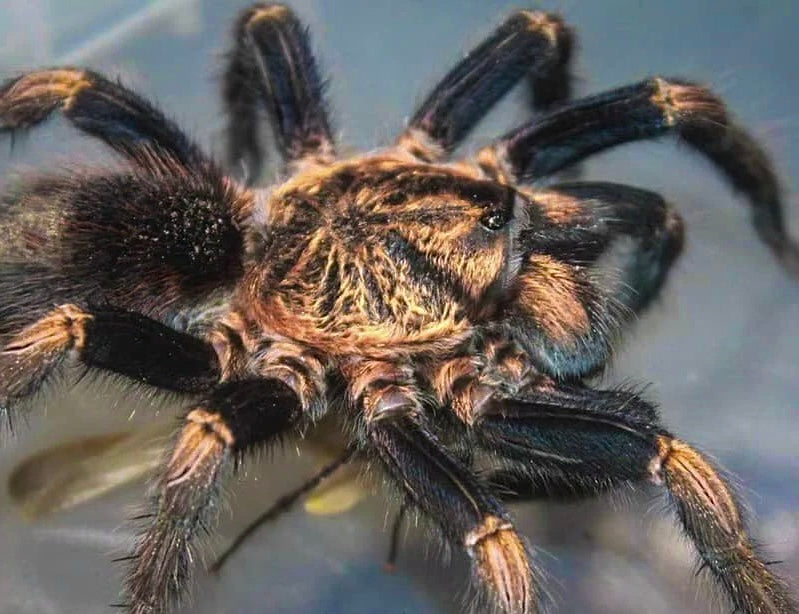
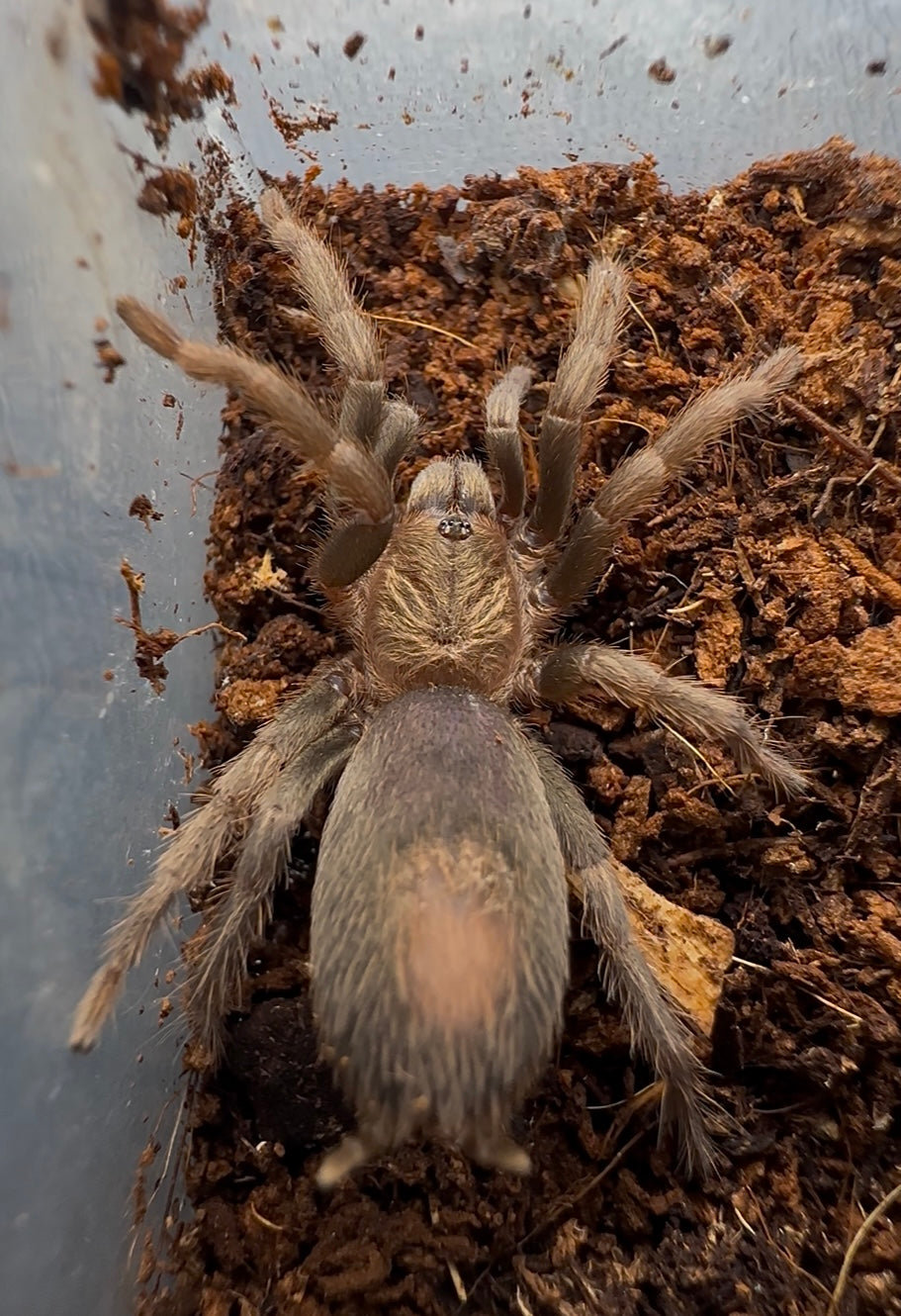
The Peruvian Gold (Theraphosinae sp. Black and Gold) is one of the most stunning and mysterious new-world tarantulas to emerge in recent years. This stunning un-described species is native to the high-altitude forests of northern Peru and is believed to belong to the Thrixopelma Genus. This species has only recently made its way into the U.S. hobby, with the first imports arriving less than 2 years ago. Extremely limited in availability, this species is still virtually unknown to most hobbyists, making it a rare gem for anyone looking to add something truly exclusive to their collection.

Glittering Coloration That Evolves With Age

As slings, Theraphosinae sp. “Black and Gold” appear fairly nondescript—but don’t be fooled. With every molt, this species develops a richer, more dazzling blend of black’s, gold’s, and steel-blue hues. Adult females are a visual masterpiece, showcasing a shimmering contrast between their velvet dark blue femurs, shiny golden carapace, and glittery iridescent sheen. 

Perfect Personality for Handling & Display

Despite their exotic appearance, the Peruvian Gold  is incredibly docile and slow-moving—traits that make them ideal for both beginner and seasoned keepers. In the two years I’ve raised this species, I’ve never seen any defensiveness or skittishness. In fact, their calm demeanor is on par with some of the more famously tame species like Grammostola or Aphonopelma.

Hardy, Forgiving, and Low-Maintenance

This species thrives in a semi-humid terrestrial setup but is incredibly tolerant of environmental fluctuations. Being from the harsh environment of the Andes, Theraphosinae sp. Black and Gold can thrive in both dry ambient air or higher humidity. I recommend providing a bit of moisture in one corner of the enclosure, ample space to explore, and a water dish for comfort. These spiders are naturally curious and love to wander, making them excellent display pets.

Experience level - Beginner 

Personality - very docile and slow moving (perfect for beginners) 

Lifespan - 20+ years 

Growth rate - Extremely Slow 

Adult size - 5.5 inches DLS

Theraphosidae sp. Black Gold Care - This species is tolerant of both humid and arid conditions… so keep her dry with a water dish or spray her down and or over fill her water dish once a week! Additionally give her a terrestrial enclosure 3 to 5 times her size! 

View full details
WESTSIDE TARANTULAS

Species Profile

Everything You Need To Know At A Glance.
Experience Level
Beginner
Temperament
Extremely Docile, Curious, Slow-Moving & Tolerant of Handling
Type
Terrestrial / New World
DLS
Adult Size
5.5” DLS
Country of Origin
Peru – Northern Andean Highlands
Life Span
♀20+ Years

Care & Husbandry Guide

🏠 Enclosure & Substrate

Use a terrestrial enclosure with several inches of compactable soil-based substrate, a cork-bark hide, and plenty of usable floor space. Keep excessive climbing height low. Provide enough substrate for digging if the female chooses, while leaving open areas for normal terrestrial activity.

🌡️ Temperature & Humidity

A reasonable starting range is 70–78°F, although this is not a verified species-specific optimum. Maintain a moisture gradient with good ventilation rather than keeping the enclosure constantly humid. Avoid prolonged excessive heat, saturated substrate, or allowing the entire enclosure to become completely dry.

 🍽️ Feeding & Water 

Offer appropriately sized crickets or roaches approximately once a week, adjusting according to appetite and abdomen size. Larger females may eat less frequently, especially approaching a molt. Keep a clean water dish available at all times and remove uneaten prey.

🕷️ Species-Specific Care 

Because Theraphosinae Black Gold is an undescribed hobby species, reliable husbandry information is limited. I recommend providing a terrestrial enclosure with compactable substrate, a cork-bark retreat, and enough floor space for the female to explore. Keep one section of substrate slightly moist while allowing the opposite side to dry. This gives her a choice of moisture conditions without keeping the entire enclosure wet.