
Skip to product information
1 of 3

Westside Tarantulas

Ewok cyaneolum “Red” - Cobalt Red Rump - For Sale

Ewok cyaneolum “Red” - Cobalt Red Rump - For Sale

Regular price $250.00
Regular price Sale price $250.00
Sale Sold out
Shipping calculated at checkout.
Size and Sex

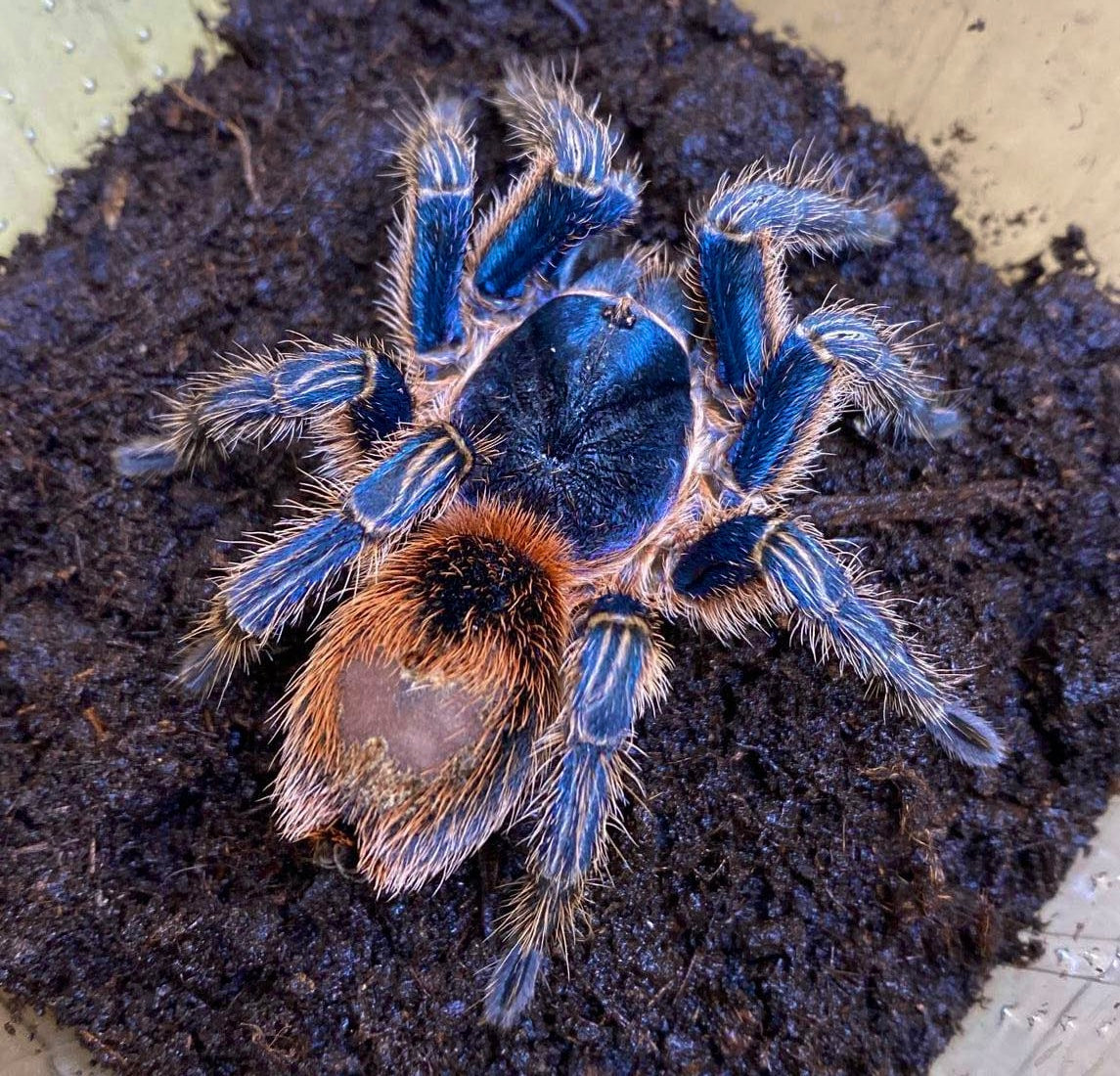
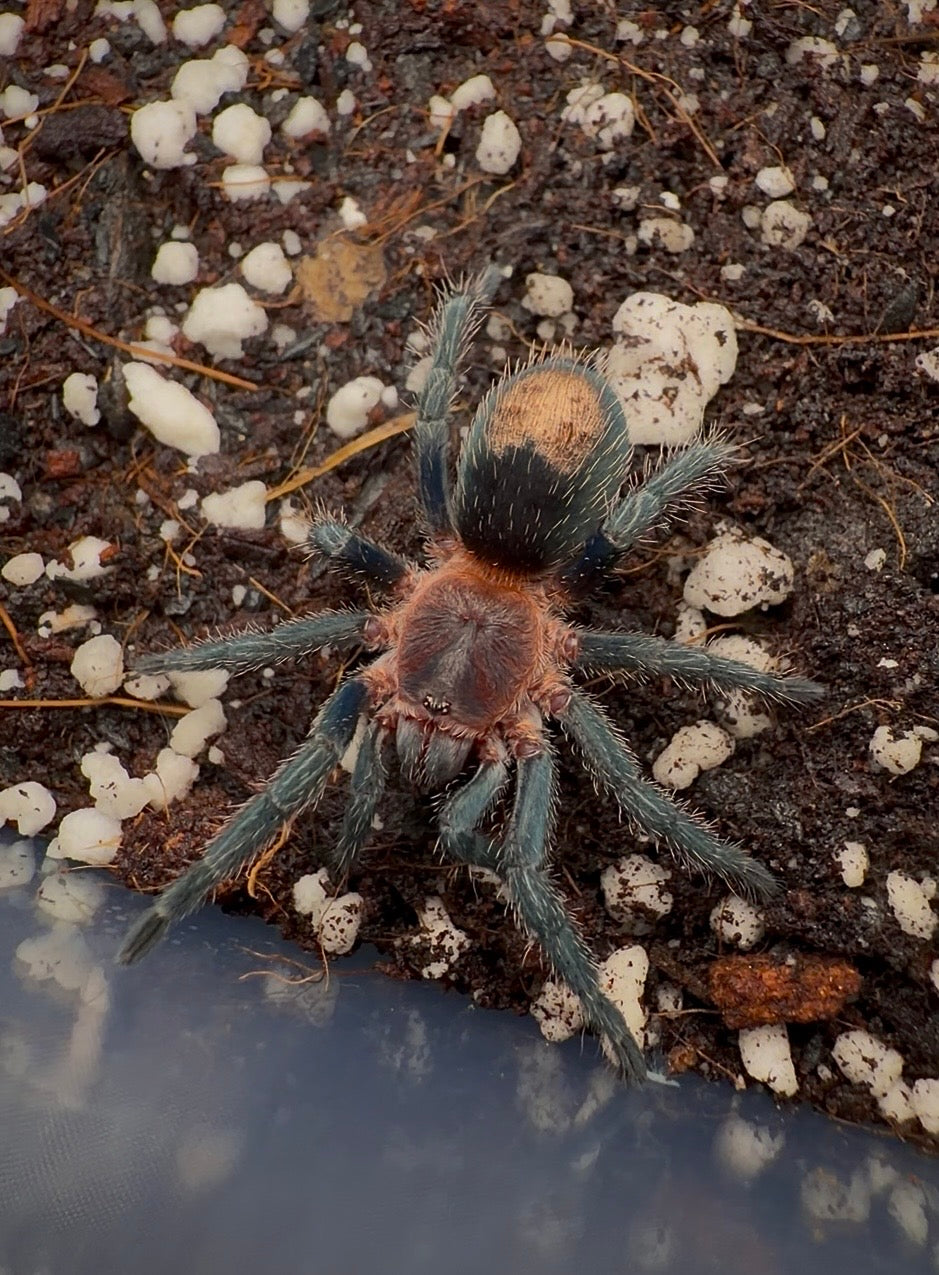
Cobalt Red Rump (Ewok cyaneolum “RED”)

A True Hidden Gem

The Cobalt Red Rump is one of the tarantula hobby’s most criminally underrated treasures. Hailing from Peru, this striking New World terrestrial displays a vibrant, electric blue sheen across its legs and carapace, contrasted by a fiery, red-orange abdomen that almost seems to glow. This unique contrast in coloration gives the species a two-toned brilliance thats rarely seen! However the Cobalt Red Rump comes in a hardy terrestrial package that’s calm, manageable, and shockingly easy to care for.

Extremely underrated 

Despite its show-stopping appearance, very few keepers have even heard of Thrixopelma cyaneolum, especially the rare “red” color form. This form in particular is gaining traction among collectors as its presence remains extremely limited across North American collections. With the species still flying under the radar, those in the know understand: this tarantula is a sleeping giant in terms of market demand. Don’t be surprised if prices climb steeply as more hobbyists catch wind of its beauty, rarity and docile nature.

Docile and Easy to Care For! 

In terms of care, the Cobalt Red Rump checks every box for both beginners and seasoned keepers. Like most New World terrestrials, they thrive with a basic setup—ample floor space, a simple hide, and occasional misting to keep humidity moderate. They’re hardy, tolerant of a range of conditions, and generally forgiving of minor husbandry errors. Best of all? Their demeanor is extremely docile, with practically never partaking in hair-kicking behavior and a calm, slow-moving attitude that makes them ideal for handling… I can honestly say, this is one of (if not the most) impressive tarantulas beginners can keep. That said, this C.F. / Locale variant grow to a respectable 5.5+ inches in diagonal leg span and are known to have ferocious feeding responses, eagerly pouncing on prey items with confidence and enthusiasm. If you’re looking for a species that combines eye-catching color, peaceful temperament, and rarity all in one—this is it.

View full details
WESTSIDE TARANTULAS

Species Profile

Everything You Need To Know At A Glance.
Experience Level
Beginner
Temperament
Extremely Docile, Curious & Tolerant of Handling
Type
Terrestrial / New World
DLS
Adult Size
5.5+” DLS
Country of Origin
Peru
Life Span
♀25+ Years

Care & Husbandry Guide

🏠 Enclosure & Substrate

Provide a terrestrial enclosure with a few inches of substrate, plenty of floor space, and a cork-bark hide or starter retreat. Younger specimens may dig more than adults, so give them enough substrate to do so naturally. Keep climbing height relatively low and prioritize usable ground space over vertical space.

🌡️ Temperature & Humidity

Keep adults mostly dry with good ventilation, while slings and smaller juveniles should receive a little more moisture as they establish. Temperatures around 68–76°F work well. A water dish is generally enough for established adults, while lightly moistening one area of the enclosure works well for younger specimens. Avoid keeping the entire setup constantly wet or stagnant.

 🍽️ Feeding & Water 

These guys have an excellent feeding response and aren’t shy about taking prey. Growing specimens can be offered an appropriately sized cricket or roach about once a week, while larger adults can be fed every 7–14 days depending on body condition. Always provide a clean water dish, and reduce feeding whenever the abdomen becomes noticeably plump or the tarantula enters premolt. Your current Westside listing likewise describes them as enthusiastic feeders.

🕷️ Species-Specific Care 

Cobalt Red Rumps are hardy, extremely easy to care for, and surprisingly docile for something this colorful. They do great in a simple terrestrial setup with plenty of floor space, mostly dry substrate, and a water dish. Adults are very forgiving of different conditions, while younger specimens appreciate a little more moisture. This is one of those rare species that gives you incredible blue and red coloration without complicated care.