
Skip to product information
1 of 6

Westside Tarantulas

Urupelma sp. Mishana - The Peruvian Firecracker - For Sale

Urupelma sp. Mishana - The Peruvian Firecracker - For Sale

Regular price $10,000.00
Regular price Sale price $10,000.00
Sale Sold out
Shipping calculated at checkout.
Sex and Size

Urupelma sp. “Mishana” – The Peruvian Firecracker Tarantula

An Explosive New Addition to the Hobby!

Introducing The Peruvian Firecracker Tarantula (Urupelma sp. Mishana), a truly exclusive and electrifying new species in the U.S. tarantula hobby! This brand-new species hails from the lush rainforests of Loreto, Peru, a region characterized by its unique soil composition ranging from clay to quartz sand. With temperatures averaging 78-80°F year-round, this species is likely to thrive in captivity when provided with a humid environment, damp substrate, and plenty of natural décor such as moss.

Why Choose Urupelma sp. Mishana 

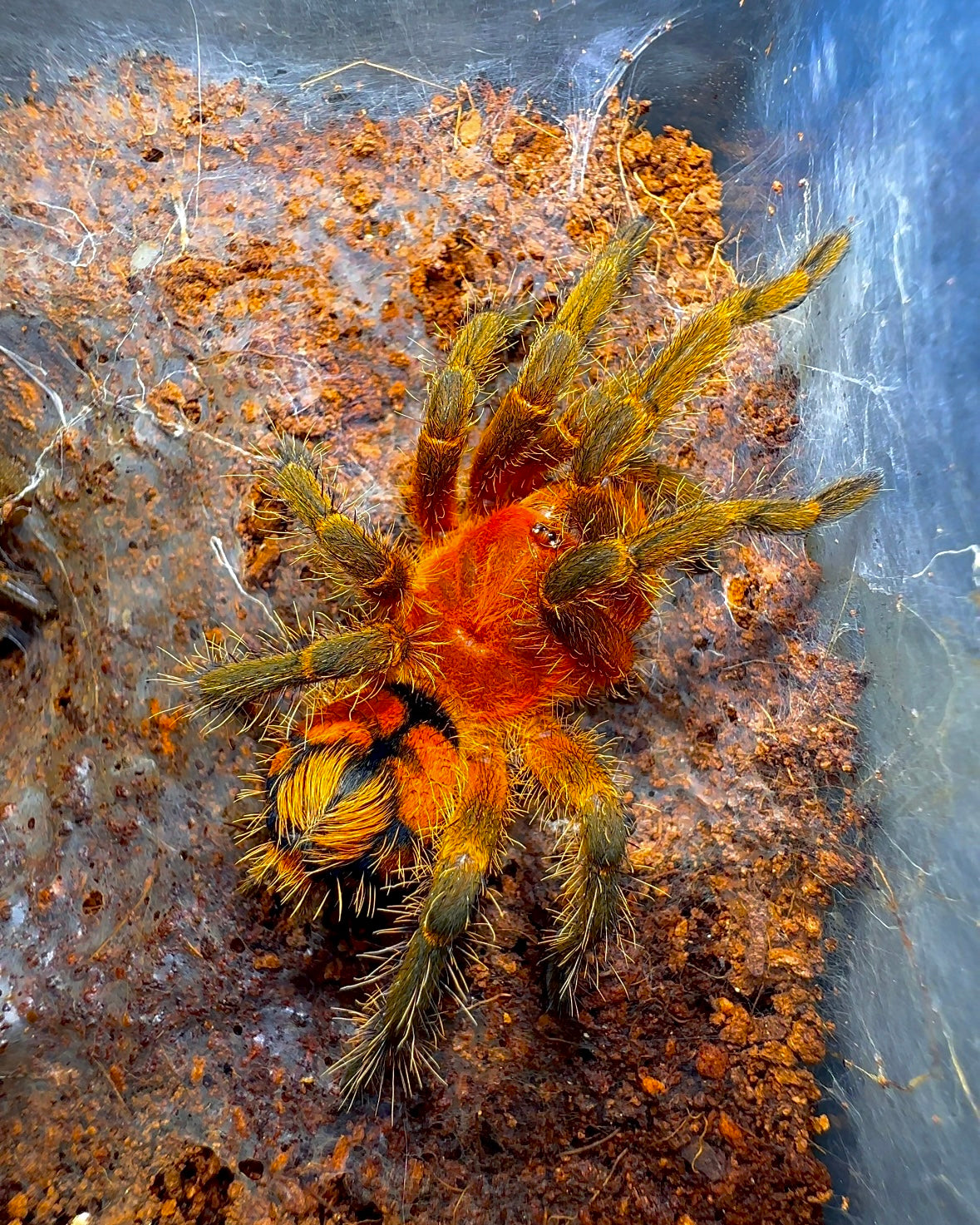
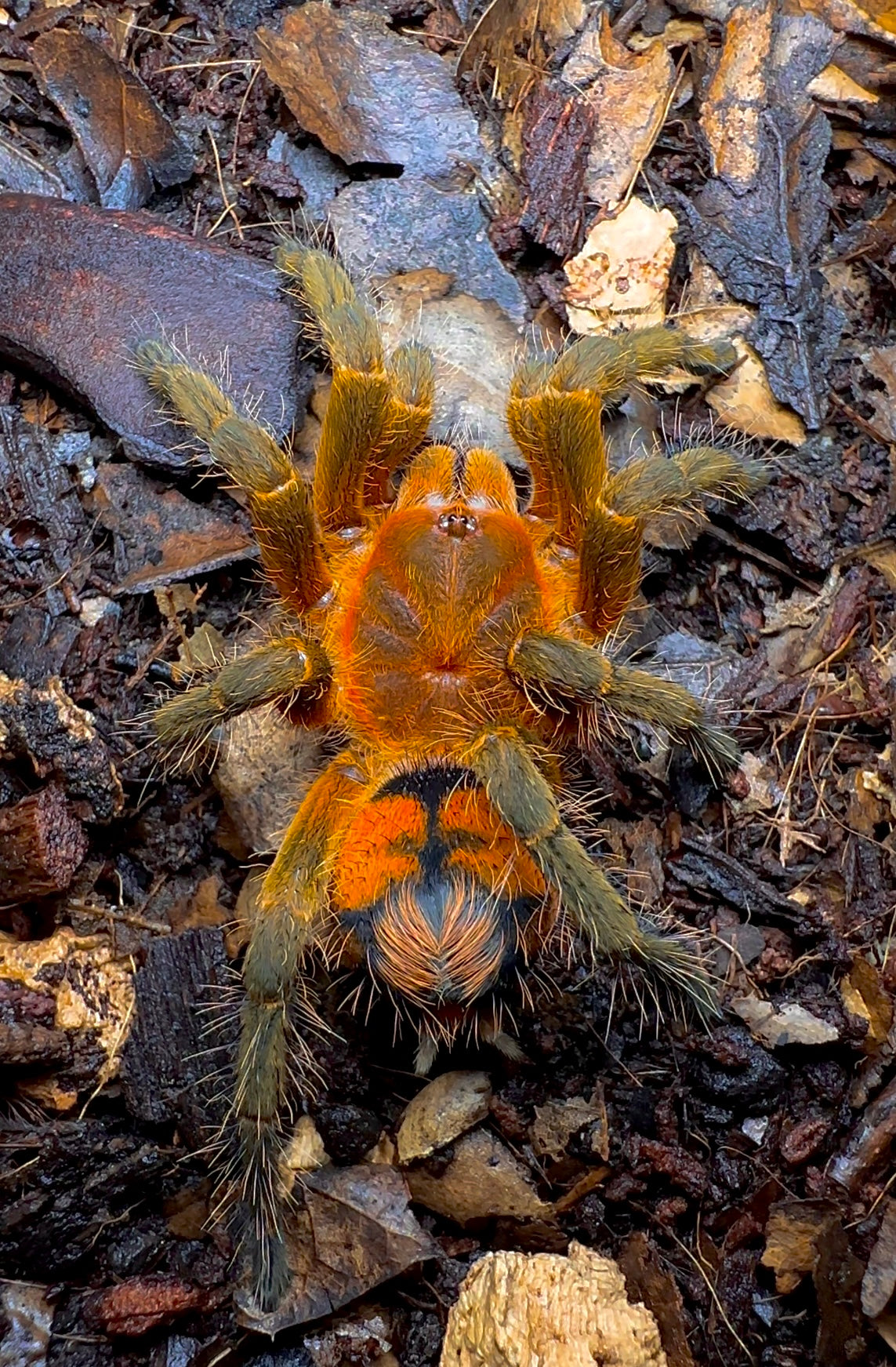
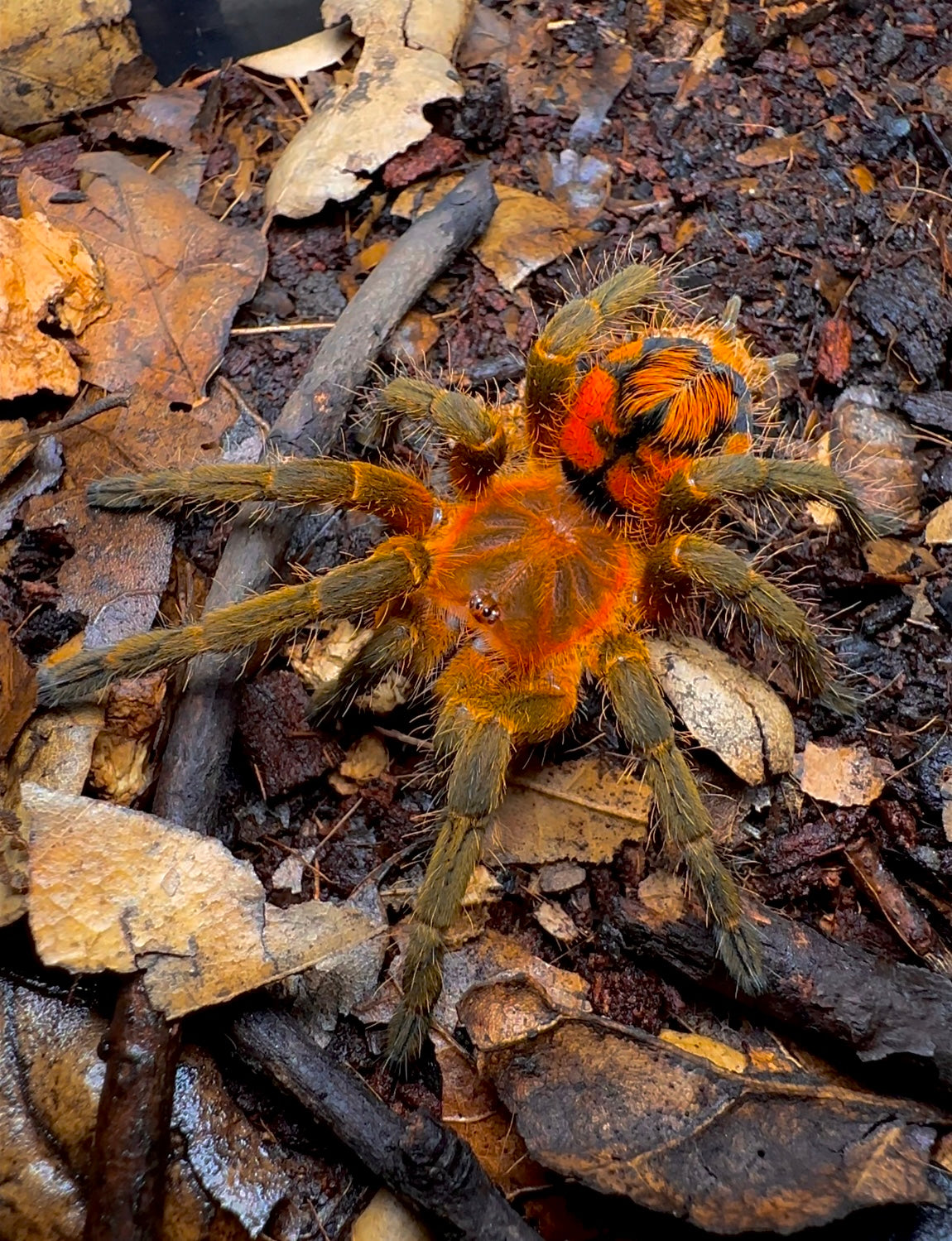
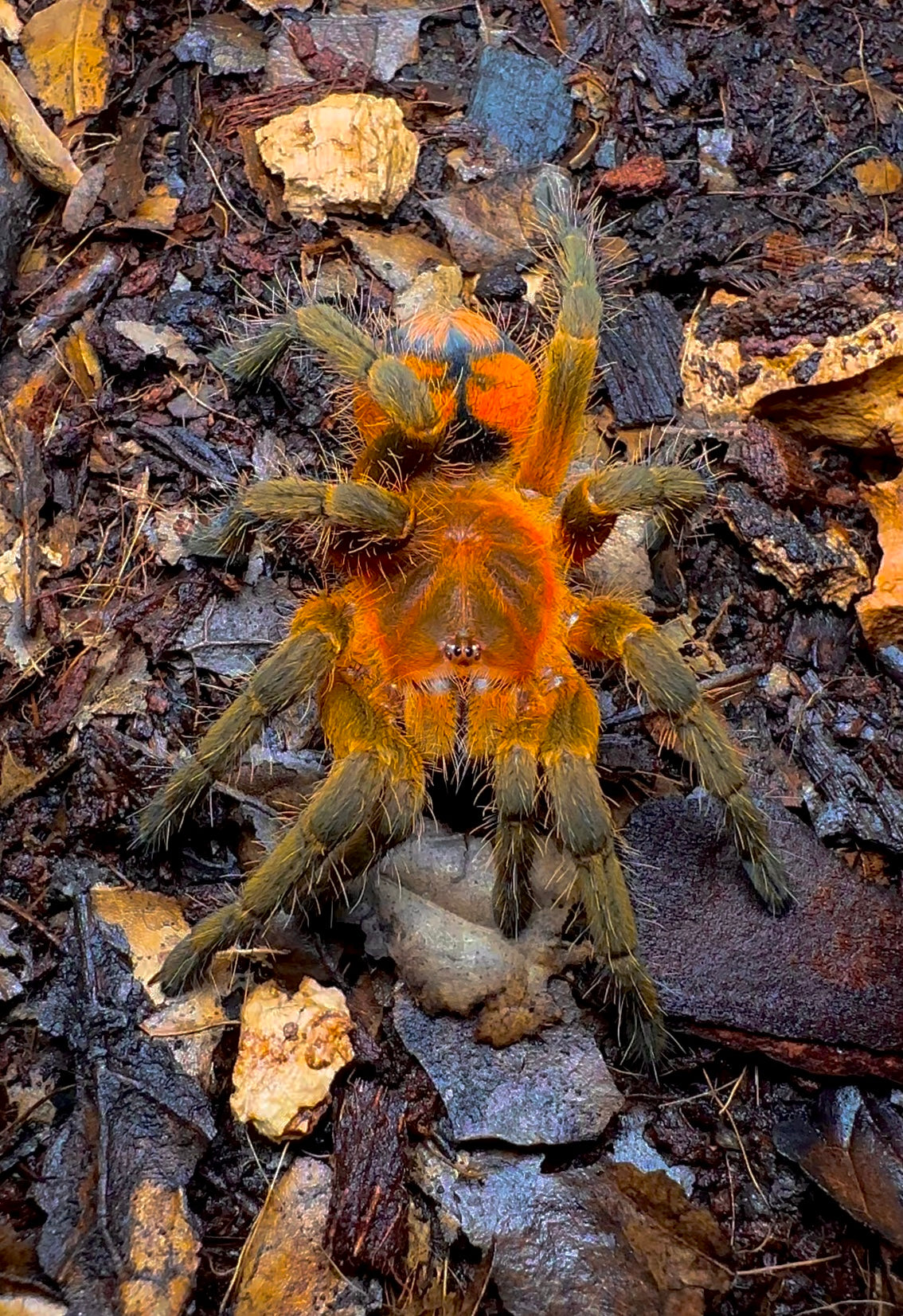
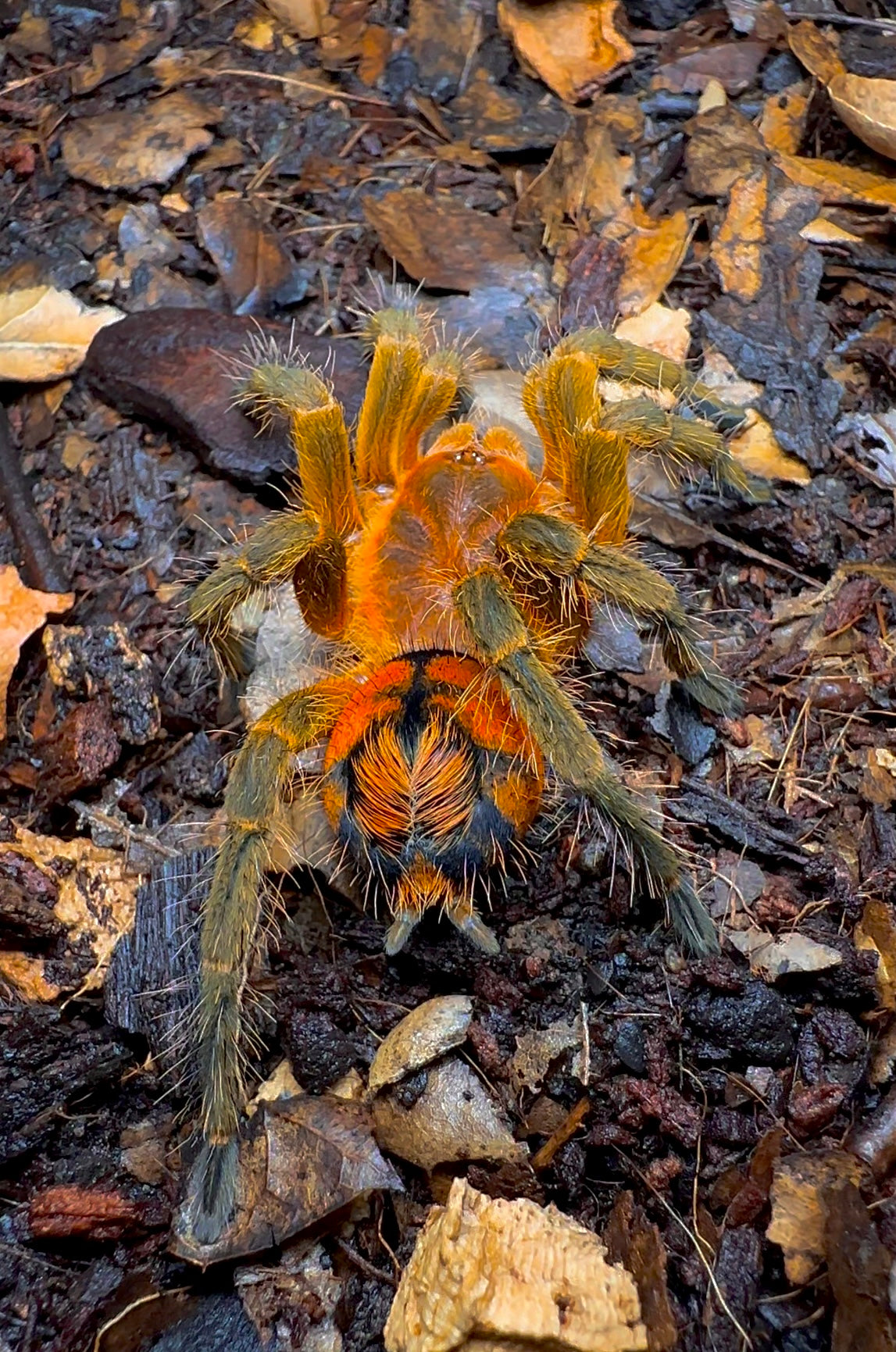
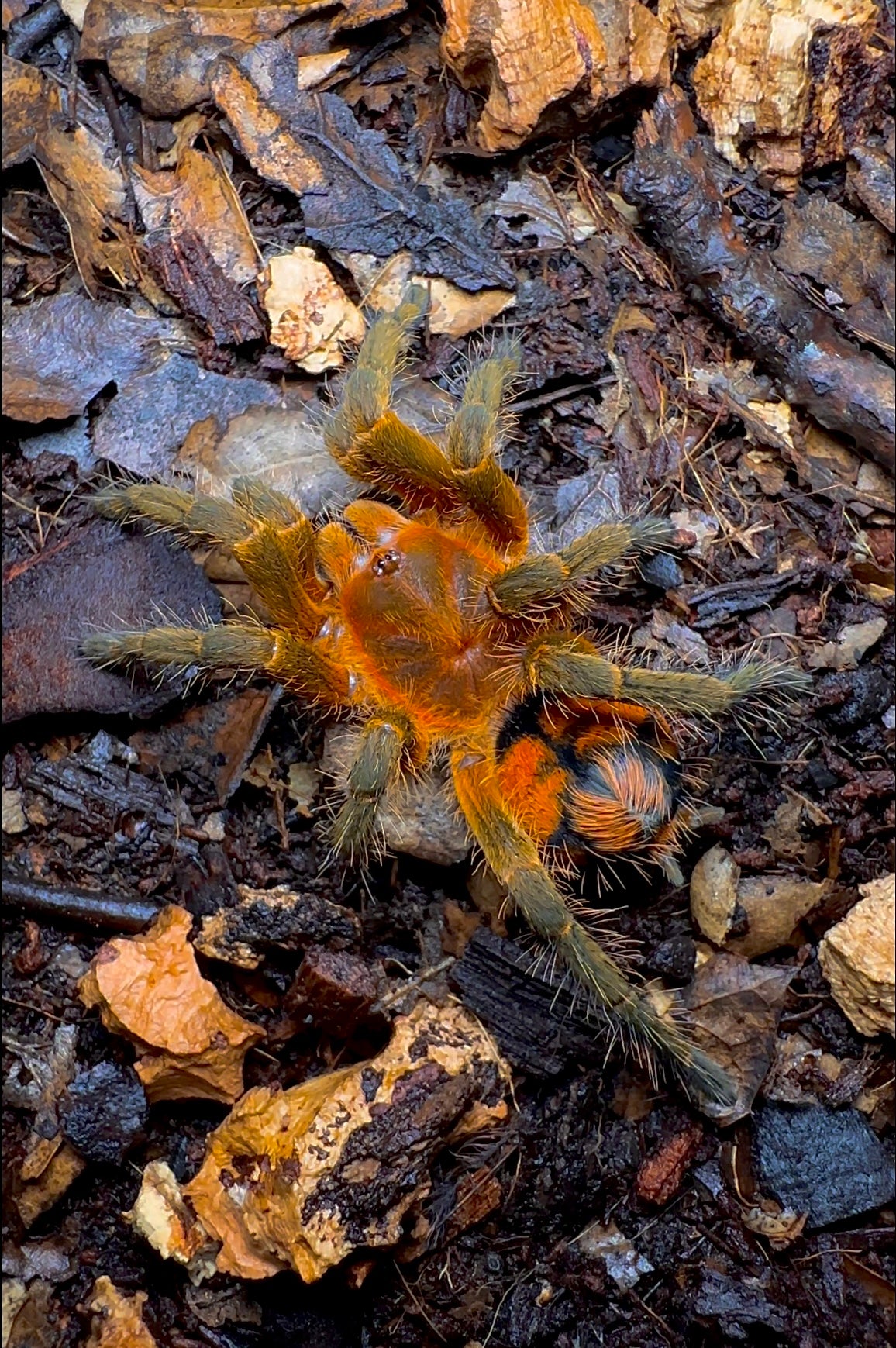
What sets the Peruvian Firecracker apart is its explosive coloration and stunning contrast—a rich, fiery orange body with deep black patterning that creates a bold, eye-catching display. The striking tiger-like markings on the abdomen and vivid greenish hues on the legs make this one of the most visually striking tarantulas ever introduced to the hobby. Unlike many other large-bodied New World’s, this tarantula blends exotic beauty with an impressive size, reaching 5-6 inches in diagonal leg span (DLS) at maturity.

Unparalleled Rarity & Market Exclusivity

This species is so new and rare that only a handful exist in the U.S., making it an unparalleled addition to any serious collector’s lineup. Given its recent introduction, the Peruvian Firecracker is yet to be officially described, but experts, including myself, strongly believe it belongs to the Urupelma genus—a group of highly sought-after, tropical rainforest-dwelling tarantulas.

Captive Care & Growth

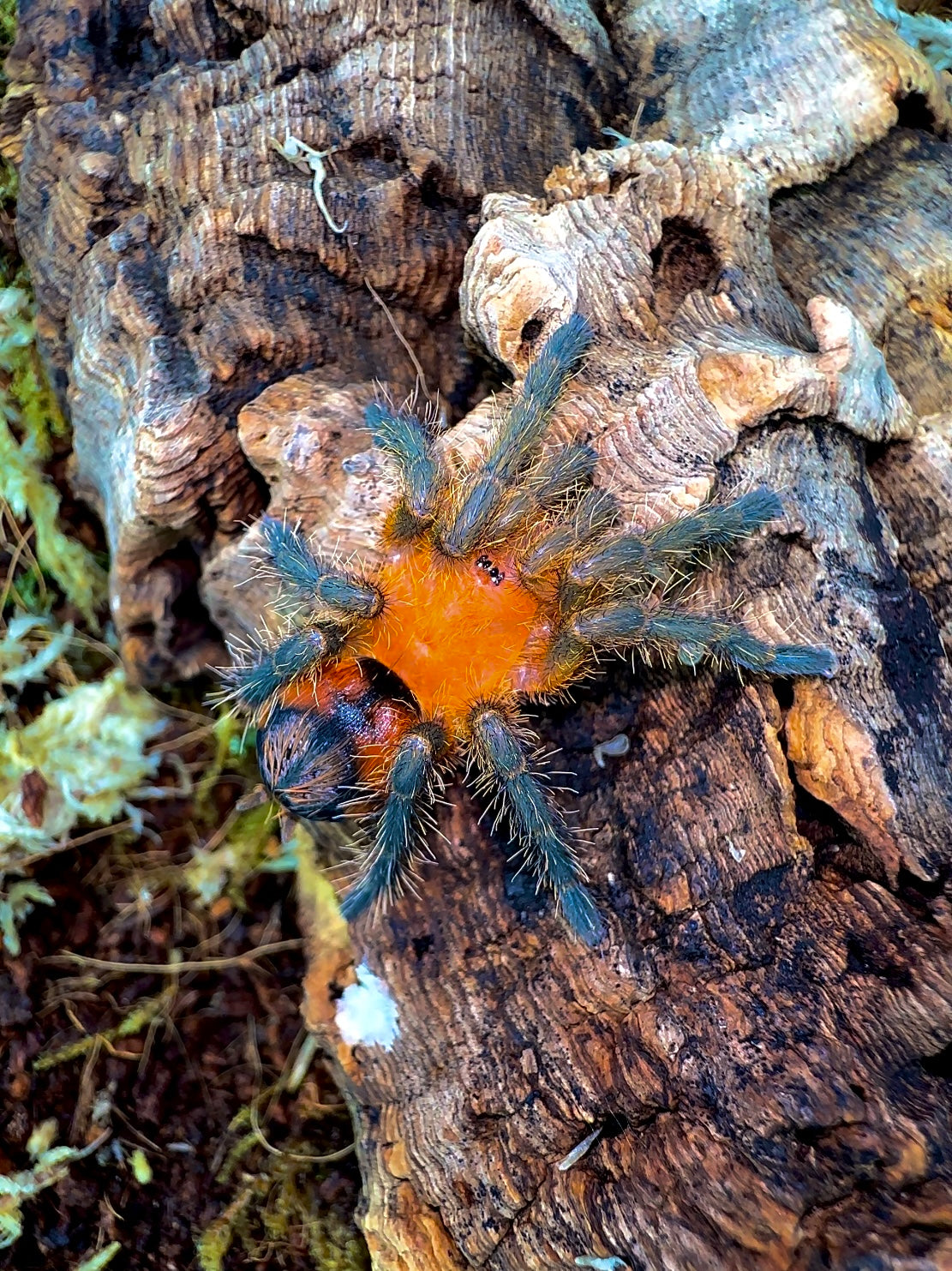
As a moisture-loving species, the Peruvian Firecracker does best with damp substrate, excellent ventilation, and a temperature range between 75-82°F. Slings start off tiny, delicate, and Sunkist orange, but as they mature into juveniles and sub-adults, their coloration explodes into vibrant reds, oranges, blacks, and golden hues, solidifying their reputation as one of the most visually captivating species available. If you’re looking to own a tarantula that is not only rare but also a true masterpiece of nature, the Urupelma sp. “Mishana” is a once-in-a-lifetime acquisition. Secure one while you can—this is a species that will only increase in demand and value as more collectors become aware of its existence!

View full details
WESTSIDE TARANTULAS

Species Profile

Everything You Need To Know At A Glance.
Experience Level
Beginner
Temperament
Confident, Out On Display, Bold & Food Driven
Type
Terrestrial / New World / Undescribed Species
DLS
Adult Size
6-7” DLS
Country of Origin
Peru – Mishana
Life Span
♀20+ Years

Care & Husbandry Guide

🏠 Enclosure & Substrate

Provide a terrestrial enclosure with 3–4 inches of compactable substrate, a cork-bark hide, and plenty of usable floor space. Give the spider enough depth to establish a burrow if desired, while keeping climbing height low. Adjust substrate depth and enclosure structure as its natural behavior becomes clearer.

🌡️ Temperature & Humidity

A reasonable starting range is 70–78°F, although species-specific temperature requirements are not well established. Keep part of the substrate slightly moist while allowing the opposite side to dry. Maintain good ventilation and avoid excessively hot, stagnant, or waterlogged conditions.

 🍽️ Feeding & Water 

Offer growing specimens appropriately sized crickets or roaches approximately once a week, adjusting according to appetite and abdomen size. Larger specimens can be fed every 7–14 days depending on body condition. Keep a clean water dish available for established juveniles and adults. Smaller slings should have access to moisture within their substrate, and uneaten prey should be removed during premolt.

🕷️ Species-Specific Care 

Peruvian Firecrackers are a rare, undescribed Peruvian tarantula with limited documented husbandry information. I recommend a terrestrial setup with compactable substrate, a cork-bark retreat, and enough room to explore. Provide a moisture gradient rather than keeping the entire enclosure constantly wet or completely dry. Because this species is still poorly documented, pay attention to whether individual specimens prefer burrowing, hiding, or spending time out in the open.