
Skip to product information
1 of 3

Westside Tarantulas

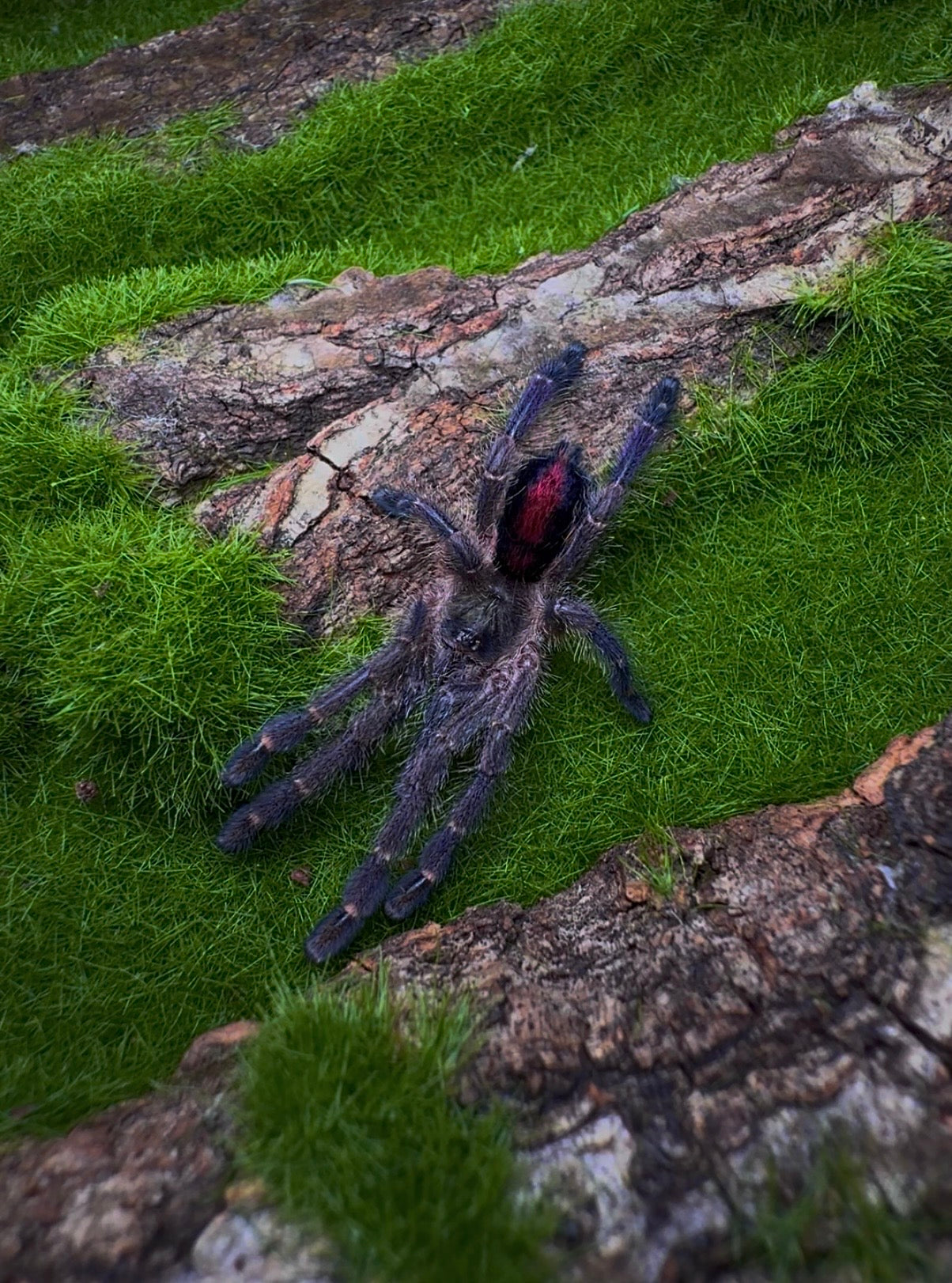
Ybyropora gamba - Purple Diamond Pink Toe - BALLS RARE! - For sale

Ybyropora gamba - Purple Diamond Pink Toe - BALLS RARE! - For sale

Regular price $499.00
Regular price Sale price $499.00
Sale Sold out
Shipping calculated at checkout.
Size and Sex

The Purple Diamond Pinktoe (Ybyropora gamba) 

One of the Rarest Arboreal’s in the Hobby 💎

Introducing Ybyrapora gamba, known affectionately as the Purple Diamond Pinktoe — a name that does justice to its shimmering, velvety purple tones and gem-like abdomen. This rare arboreal beauty is native to the Atlantic Forest region of Brazil, a country renowned for some of the most stunning tarantula species on the planet — but one that has completely closed its borders to spider exports. As a result, Y. gamba has become one of the most elusive and highly coveted species in the Aviculariinae subfamily.

Elegant, Graceful, and Absolutely Stunning

With deep purple femurs, a striking splash of metallic purple-pink on the abdomen, and a more compact, athletic body build than your typical Avicularia, this species turns heads even in a room full of colorful tarantulas. They retain that classic Pinktoe charm — graceful climbing, heavy webbing, and the occasional mid-air jump — but with a color palette straight out of a Pokémon pokedex.

📦 Ultra Limited — A True Collector’s Piece

This species is not imported. Every Ybyrapora gamba available in the U.S. hobby comes from the hands of passionate breeders, making these specimens extremely limited and rarely offered. Due to their slow growth rate and difficulty with breeding this species in captivity. That said, If you’re serious about collecting show-stopping, ultra-rare tarantulas with a limited bloodline pool and massive future breeding potential, this is the spider that commands respect and attention in any collection.

🕸️ Behavior & Care

Like most arboreals, Y. gamba does best in a vertical enclosure with ample ventilation and anchor points for webbing. They’re shy but calm and are rarely defensive. Their husbandry needs are simple — moderate humidity, dry substrate, good airflow, and a water dish. As juveniles, they web extensively and grow steadily with regular feeding. Adults average between 4.5–5” DLS with a uniquely refined and elegant posture.

View full details
WESTSIDE TARANTULAS

Species Profile

Everything You Need To Know At A Glance.
Experience Level
Beginner
Temperament
Shy, Skittish When Startled & Tolerant of Gentle Handling
Type
Arboreal / New World / Pink Toe
DLS
Adult Size
4.5–5+” DLS
Country of Origin
Brazil – (Bahia, Atlantic Forest)
Life Span
♀15–18+ Years

Care & Husbandry Guide

🏠 Enclosure & Substrate

Use a vertical arboreal enclosure with upright cork bark, thin branches, foliage, and several elevated anchor points for webbing. Give the spider a narrow retreat behind the cork or among foliage. Prioritize usable climbing space and cross ventilation over deep substrate, and keep the enclosure appropriately sized so smaller specimens can be monitored and fed easily.

🌡️ Temperature & Humidity

Keep approximately 72–78°F with moderate moisture and excellent cross ventilation. Avoid constantly saturated substrate or stagnant humidity. Rather than chasing a specific humidity percentage, provide occasional drinking droplets and allow the enclosure to dry between mistings. Smaller slings may benefit from a little additional moisture while establishing.

 🍽️ Feeding & Water 

Offer growing specimens appropriately sized crickets or roaches approximately once a week, adjusting according to body condition. Smaller slings may require fruit flies or tiny pre-killed prey. Lightly mist part of the webbing 2–3 times per week to provide drinking droplets, allowing surfaces to dry between mistings. Established specimens should also have access to a small, clean water dish.

🕷️ Species-Specific Care 

Purple Diamond Pink Toes are rare Brazilian arboreals that appreciate a well-ventilated vertical enclosure with plenty of cork bark, climbing surfaces, and webbing anchors. Like other Ybyrapora, they establish retreats above the ground and need good airflow to stay healthy. Provide access to drinking droplets and avoid keeping the enclosure constantly wet. Their small size makes a compact, well-structured arboreal setup especially useful.